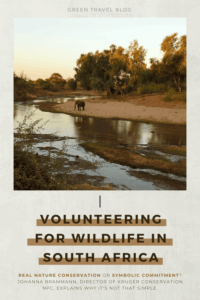
The golden light, the endless bush landscapes, magical encounters with wildlife. The idea of waking up to the roar of lions and ending the day watching the unmistakable African sunset is an image often conveyed. But how real is this vision, really? What lies behind these so-called volunteer projects, and can they truly make a difference?
The Reality for Wildlife in South Africa
According to the WWF Living Planet Report, global wildlife populations have declined by an average of around 73 percent since 1970, and by more than 76 percent in Africa. South Africa, in particular, feels the consequences of intensive land use, poaching, and population growth, despite many successful conservation projects.
Successful conservation and Their Limits
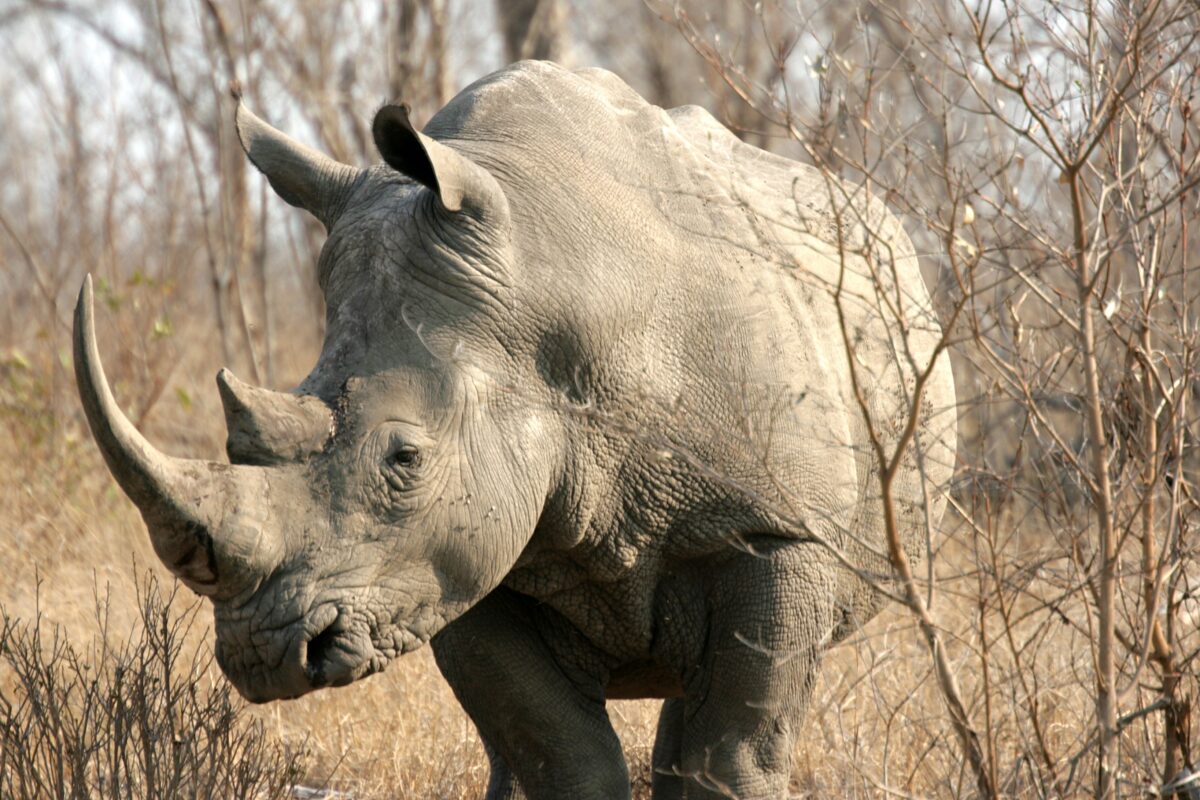
One successful example is the white rhinoceros. By the end of the 19th century, fewer than 100 individuals remained in the wild; they were almost extinct. Thanks to intensive protection efforts, the population steadily increased throughout the 20th century, reaching around 18,800 individuals in South Africa alone by 2010.
Yet their survival remains fragile: despite population growth, rhino horn continues to be highly coveted. In 2014, more than 1,200 white rhinos were poached; by 2024, the number had dropped to around 420. A decline that gives hope — but still remains alarming.
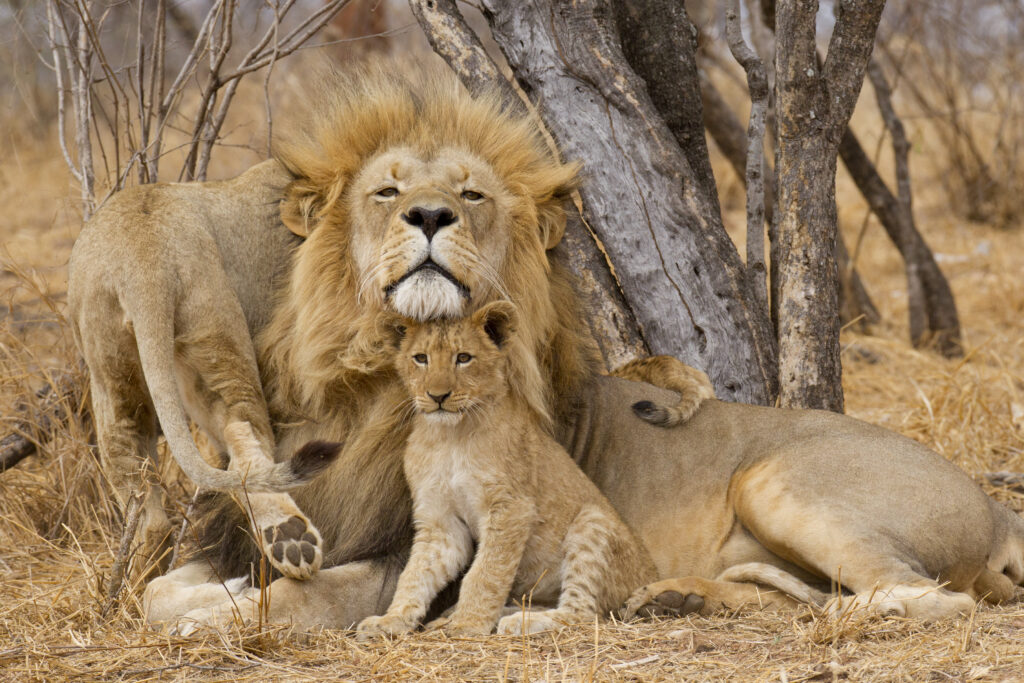
A similar trend can be seen in lion populations: they have plummeted from an estimated 100,000 to fewer than 25,000 animals in Southern Africa. Today, around 2,300 to 3,000 lions live there, mostly in private reserves and protected areas.
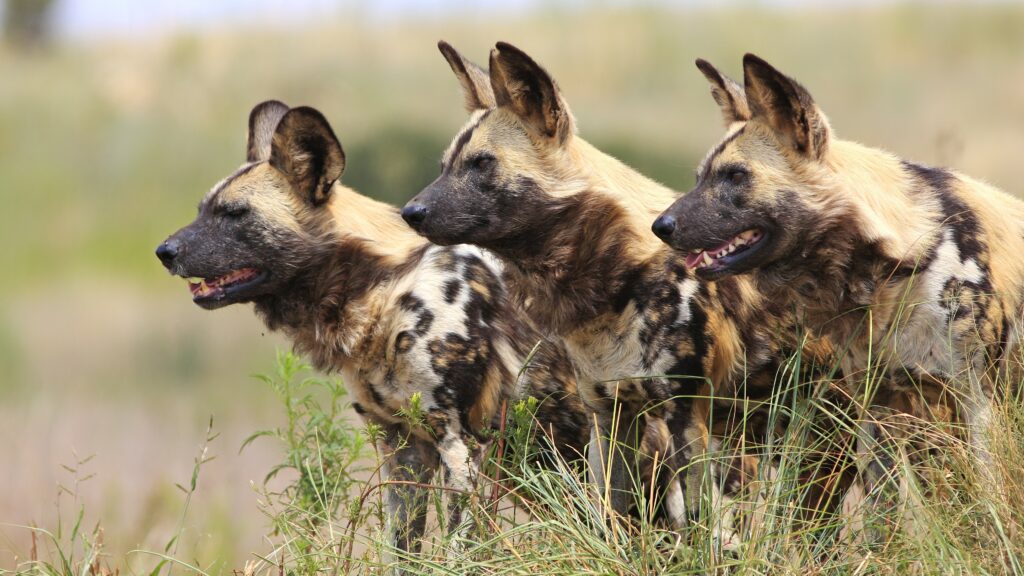
Imagine that: half a century ago, several thousand African wild dogs roamed South Africa; today, fewer than 500
individuals remain, heavily affected by habitat loss and disease.
Hyena populations are also declining; reliable numbers are scarce, but the trend clearly shows a decrease caused by habitat destruction and human-wildlife conflict.
Elephants as an Example of Complexity of Wildlife Protection
What at first sounds like a success story: growing wildlife populations, thriving reserves, and seemingly healthy ecosystems, is in reality far more complex. Wildlife protection in South Africa is no longer a simple matter of “more is better.”
It’s not just about saving animals, but about maintaining the delicate balance between humans, animals, and nature in
an ever-changing environment.
When people think of Africa, they immediately think of elephants. They are a perfect example of how complex the entire system is. In the 20th century, elephants were decimated by the ivory trade; between the 1970s and 1980s, their population in Africa dropped by more than half. Thanks to stricter protection laws and private reserves, many populations have recovered. But in regions like the Greater Kruger Region in South Africa or Chobe in Botswana, this recovery has now led to a new problem: overpopulation.
The consequences are clear: vegetation is destroyed, soil erodes, and the ecological balance begins to falter. This overpopulation endangers not only other species and the environment but also the health and well-being of the elephants themselves.
Poaching and Organized Crime – A Global Network
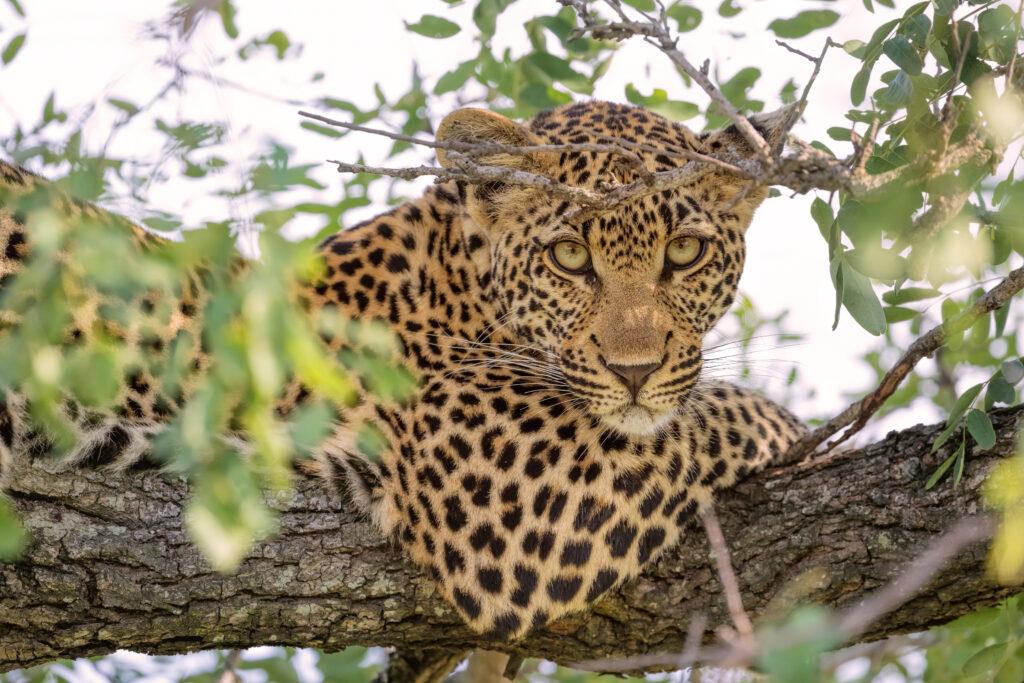
Poaching remains one of the greatest threats to wildlife in Southern Africa. It is no longer the work of individual poachers but rather a complex, highly profitable global network that uses modern technology, weapons, and international trade routes.
The market value of rhino horn now exceeds that of gold; these animals are literally “worth a mint”.
For many people in rural areas, it all begins with poverty and lack of opportunity. The sale of a single rhino horn can feed a family for a year. The horn of a killed rhino is traded across several borders within days: from South Africa through Mozambique to Asia, where it still serves as a status symbol and the myth persists that it can even cure diseases like cancer.
Combating poaching is dangerous and often life-threatening. To confront this threat, specialized anti-poaching units use drones, GPS systems, night-vision devices, and tracking dogs. Cybertracking, satellite data, and international investigations help locate poachers before they strike. But technology alone is not enough. In the long term, poaching can only be stopped if local communities have alternatives: education, jobs, and prospects.
The organization Kruger Conservation states:
“Only when people understand that a living rhino is worth more than a dead one will sustainable change occur.”
Climate Change and Water Scarcity – The Invisible Risk
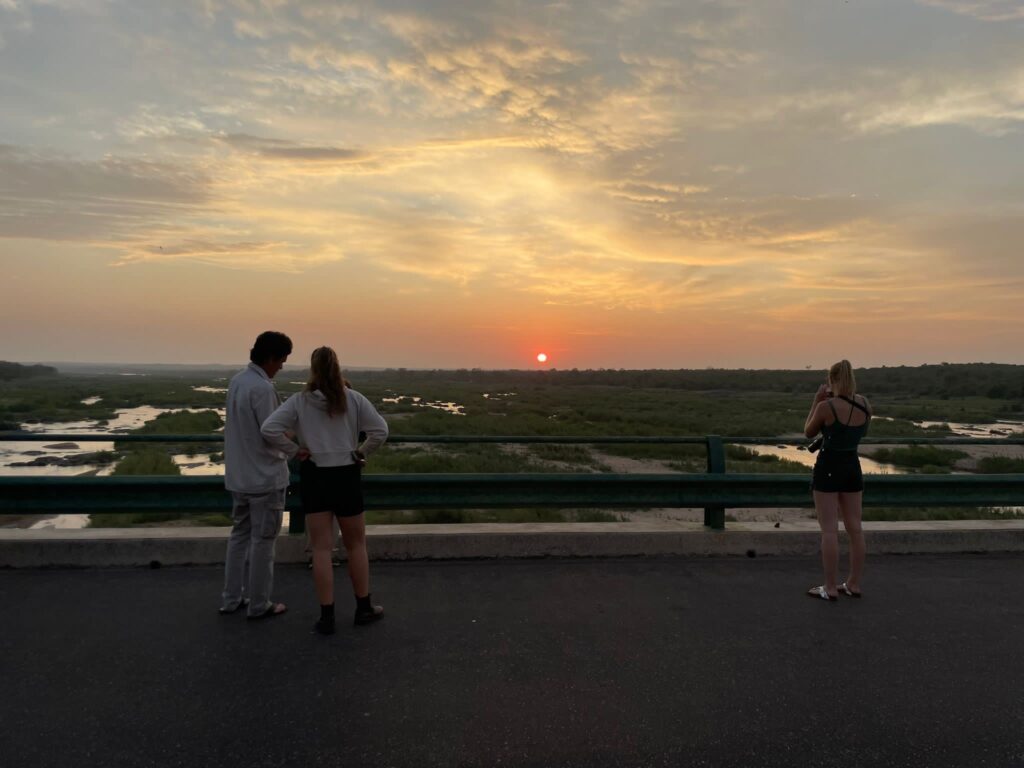
Climate change hits the African continent harder than many other regions. In South Africa, especially in the Lowveld within the Greater Kruger Region, its effects are visible in every season: rainy seasons are shifting, dry periods are getting longer, temperatures are rising, and water is becoming scarce.
For many animals, an empty waterhole often means the difference between life and death. But it’s not only wildlife and nature suffering from water shortages: communities around protected areas face the same struggle.
Humans and wildlife compete for the last remaining water sources. Where scarcity reigns, conflict grows.
Isolated Reserves, Relocations, and Targeted Conservation Measures
A lion must kill an impala to survive. The impala feeds on grass and shrubs, regulating vegetation and protecting the soil. Just one example of the finely tuned balance that humans have disrupted: roads, fences, and small, enclosed reserves prevent animals from migrating or mixing with other populations.
“More animals” in a reserve does not automatically mean more protection — often it simply means too many animals in too little space.
This leads to vegetation loss, soil erosion, disease outbreaks, and genetic impoverishment. Many private reserves are smaller than 10,000 hectares. Too small for stable, self-regulating ecosystems. When natural predators are absent and animal movements restricted, humans must intervene. They bear responsibility for the balance they themselves disturbed. That’s why relocations and conservation hunting are now essential parts of professional wildlife management.
Relocations and conservation hunting are scientifically justified
Relocations are not glamorous social-media events. They are complex, costly operations: animals are sedated, examined, fitted with transmitters, and moved to other areas; to ensure genetic diversity, relieve overpopulated zones, and maintain healthy populations.
Conservation hunting is also part of this sensitive system and a scientifically justified regulation of animal numbers. Carefully controlled, selective hunting helps preserve balance between predator and prey, growth and resources.
Habitat Loss & Human-Wildlife Conflict – When Worlds Collide
Africa’s wilderness is shrinking. With every new village, every road, and every field, ancient migration routes of elephants, lions, and wild dogs disappear. Where humans and animals meet, worlds truly collide: elephants destroy crops, lions kill livestock, baboons raid food supplies. For many families, it’s about survival — for animals, too.
That’s why the Greater Kruger region relies on community conservation: education, jobs, and participation. Only those who benefit will protect. Wildlife corridors connect protected areas, create safe migration routes, and prevent genetic isolation. But their implementation requires cooperation, patience, and trust — especially where social and historical divides complicate collaboration.
Other silent threats remain: disease, invasive plants, political instability, and illegal gold miners destroying soil and poisoning water.
Between Challenge and Responsibility
All these threats, like poaching, habitat loss, climate change, invasive species, or social conflict, are part of daily life in the African bush. Protecting animals and habitats demands experience, coordination, and well-practiced processes.
Donations are not only welcome, they are urgently necessary — for anti-poaching operations, medical treatment, relocations, and community projects.
Volunteer Work Supports Vital Efforts
When you step the first time, as a volunteer, into the African bush, your heart races. You feel the dust under your feet, hear the distant roar of lions, see elephants, rhinos, or giraffes behaving naturally — and immediately sense that everything here is fighting for survival. You’re in the middle of a Game Capture, radio in hand and adrenaline high. Every step matters. You see animals being sedated, treated, or relocated, and you feel how closely responsibility and risk are intertwined. Every wrong move can cost a life; every right one can make a difference.
Volunteering in this context walks a fine line between symbolic engagement and genuine support.
Two weeks may not seem ideal from an environmental point of view – especially in view of the flight emissions– but it can open eyes and change perspectives. Fortunately, South Africa offers many opportunities to extend your stay or combine it with other destinations in a meaningful way.
Programs like “Tracks of Purpose” by Kruger Conservation combine exactly this learning with true contribution. You accompany rangers, veterinarians, and local teams in their monitoring work, see conservation measures in action, and feel directly how everything is connected, far removed from tourist self-promotion. Through your presence, you support the work not only financially but also by transforming your own perspective.
And yes, nature is breathtaking: the golden light in the morning, the endless expanse of the bush, and the animals in all
their vitality. But the real challenge is not to see them, but to understand why they need to be protected.
Guest article by Johanna Brammann, Director of Kruger Conservation NPC, South Africa
Save this article as a reminder and inspiration on Pinterest.

 Loading...