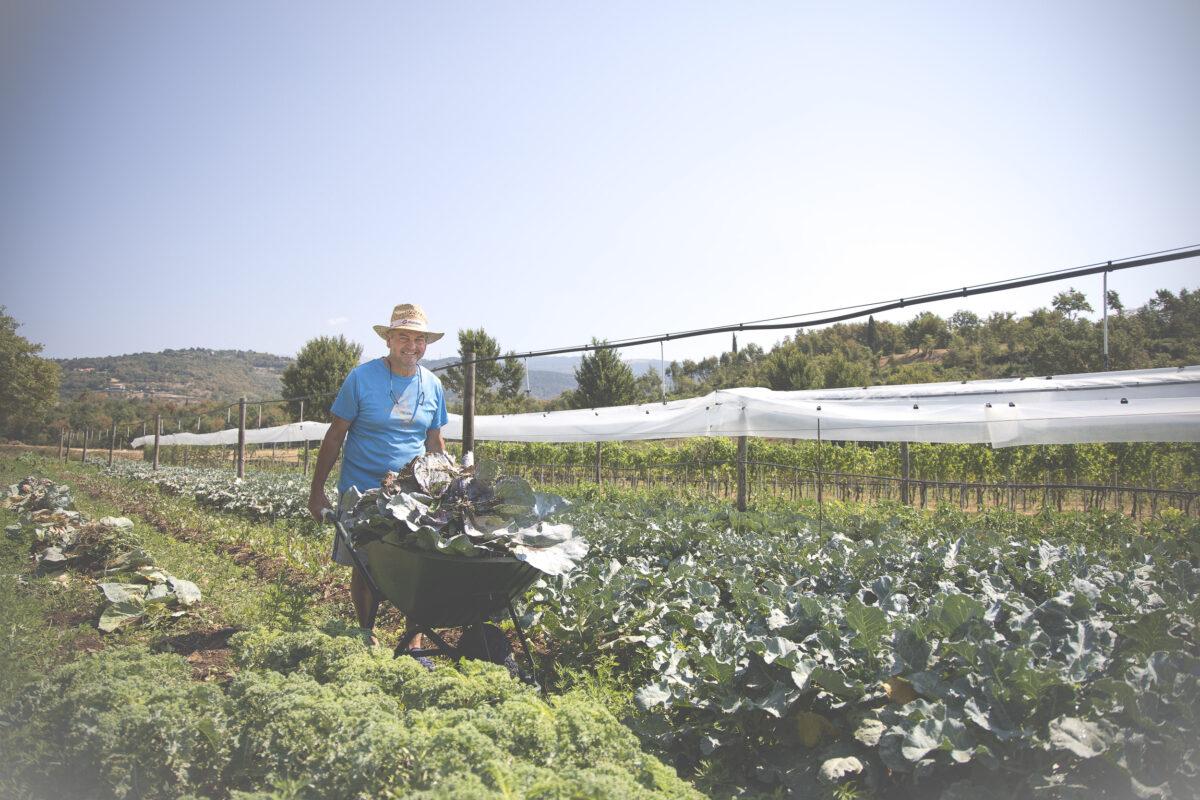
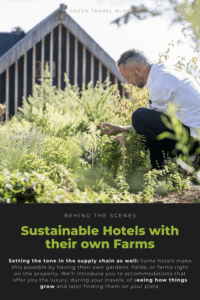
Sustainable hotels with their own farms do more than use their consumer influence by buying regionally and choosing organic products. They also set the tone for production by having gardens, fields, and farms right on site. In this post, we present accommodations that allow you to experience the luxury of watching something grow during your travels and later finding it on your plate.
Concepts such as organic farming and permaculture strengthen local cycles, rebuild soil, promote diversity, and create and secure fair jobs. “Farm-to-table” is not just a marketing phrase here; it’s the essence of the cuisine.
5 hotels with their own farms in Germany, Austria, and South Tyrol
#1 ADLER Lodge RITTEN, South Tyrol
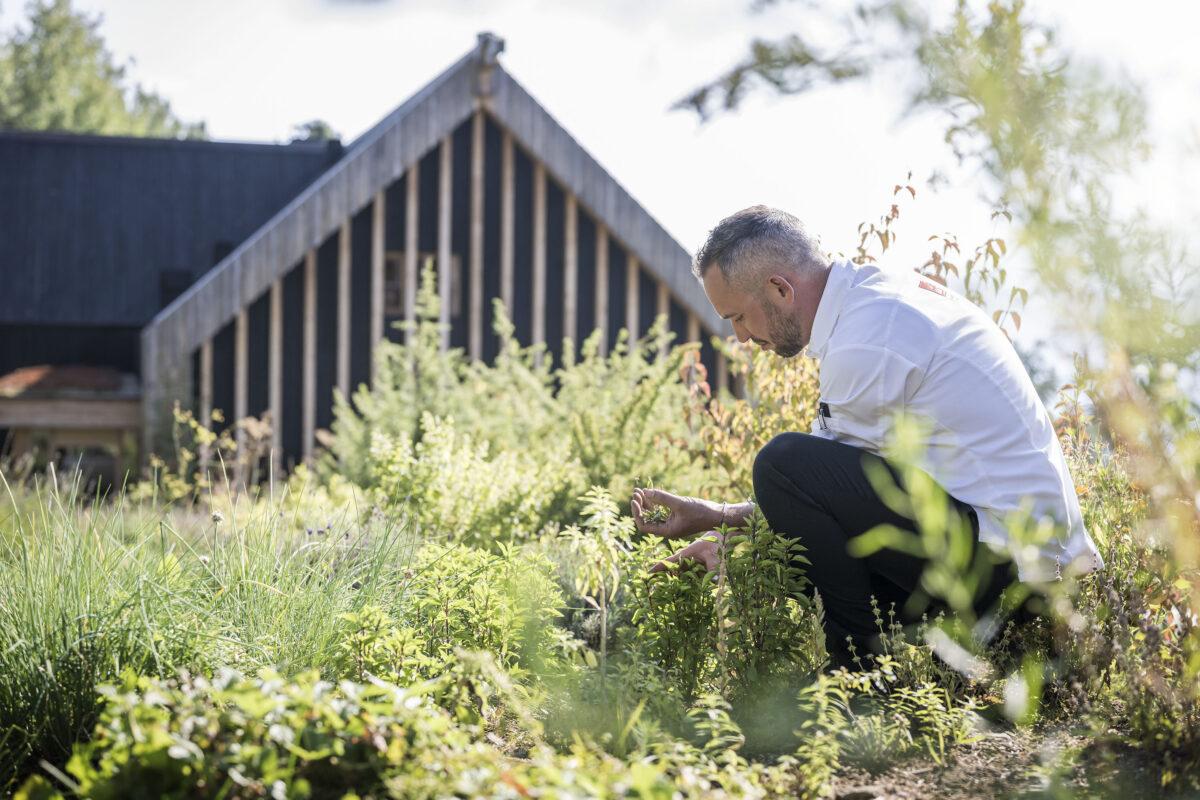
The ADLER Lodge RITTEN, a consciously managed five-star hotel in South Tyrol’s Ritten region, has incorporated a farm-to-table concept from the beginning. On around 4,000 square meters of land right next to the main building, a diverse farm garden with fields, fruit bushes, and herb gardens has been created. Summer wheat, potatoes, various vegetables, berries, and aromatic herbs grow there.
The garden is not only a source of produce, but also an experiential space with paths, benches, and signs indicating what is currently growing.
The cottage garden is tended by Christian Fink and his girlfriend Johanna, who also run the neighboring Viehweiderhof farm. They take a natural, diverse, and ecological approach: they grow mixed crops in the beds and plant flowers that strengthen the soil and attract pollinators. The bees at the lodge benefit from it as well—and provide the honey for the breakfast buffet.
Farm-to-table concept by Cristian Cinquemani
What was once a labor of love for Chef Hannes Pignater is now continuing. His successor, Cristian Cinquemani, the chef at ADLER Lodge RITTEN, is keeping the open kitchen concept alive by using local organic ingredients, homegrown produce, and interacting directly with guests, while adding a touch of island flair from his native Elba to the cuisine.
#2 Hotel Klosterbräu, Tyrol, Austria
The Hotel Klosterbräu in Seefeld continues the establishment’s more than 500-year history with its own agriculture. The Augustinian monks cultivated the land of the former monastery themselves, engaging in arable farming, growing hops for the brewery, and raising livestock. Today, Alois Seyrling, the hotel’s owner, is reviving this tradition with a sustainable, contemporary, and consistent approach to organic farming — but with a vegetarian twist.
Since 2017, the Klosterbräu has run the vegetarian farm “Sigis Sauhaufen” according to organic and biodynamic principles. The fields on the parish hill are fertilized with compost made from the hotel’s organic waste. They grow potatoes, herbs, hops, and fruits such as apples, all tailored to their needs. A special project is the so-called “Plateau Potato” – unique in color and taste.
Hotel with farm and petting zoo
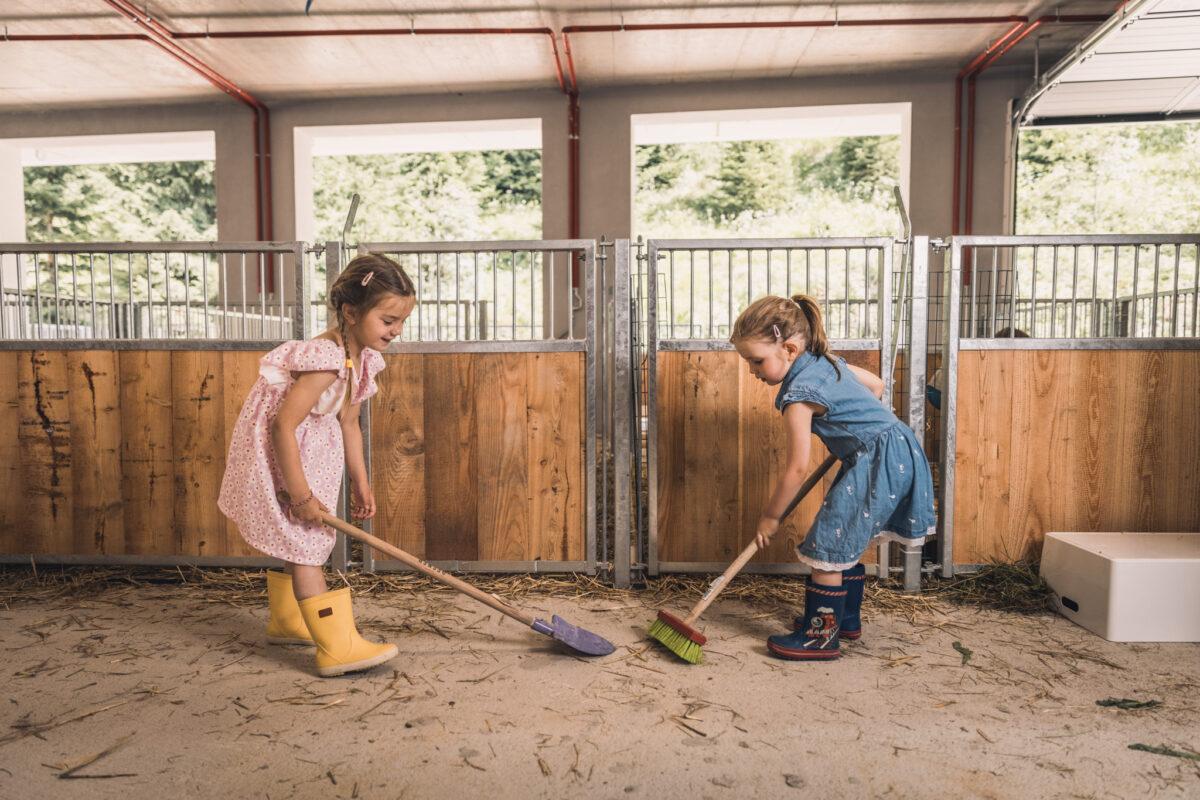
Their farming activities include animal husbandry and plenty of space: a free-range chicken coop with around 200 laying hens of old and rare breeds provides eggs for breakfast, among other things. Complementing this is a private petting zoo with goats, miniature cattle, and other small animals. The hotel is therefore particularly well-suited for providing your children with hands-on farming experience.
#3 Naturresort Gerbehof, Lake Constance, Germany
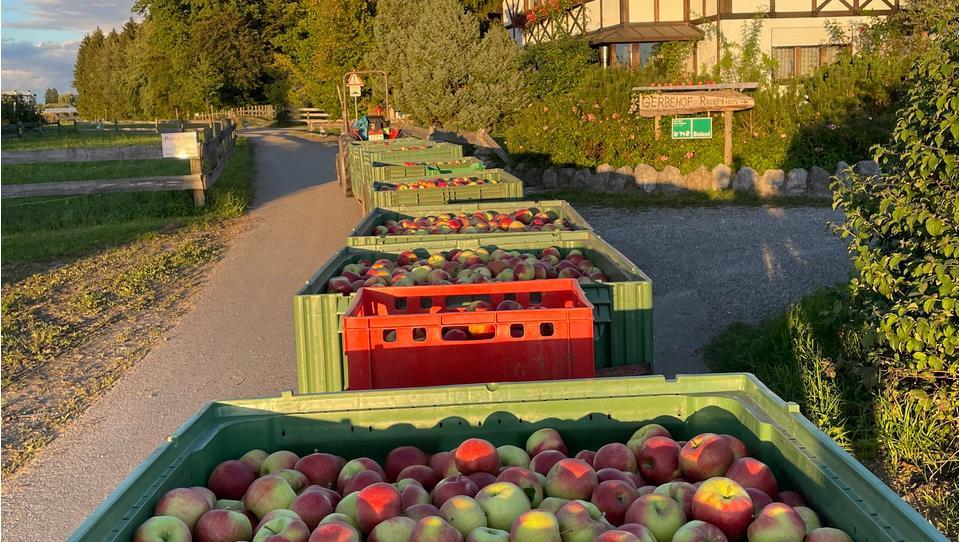
At the Bio Hotel Naturresort Gerbehof, agriculture is approached holistically. The hotel and farm are one entity, both certified 100 percent organic and part of a consistent cycle. As a member of Bioland, the business promotes mindful use of resources and intergenerational responsibility.
Here, the Wagner family cultivates organic apple and pear orchards spanning around 22 hectares. They sell part of the harvest to regional retailers and use the rest for their own processing, producing apple juice, distillates in their distillery, and breakfast buffet products on site. The farm also has pasture land for horses, free-range chickens, and a small herd of wild boars.
The Naturresort Gerbehof is also a prime example of how the hotel industry and climate protection can coexist. They’re consistent in their approach to energy and resources. For instance, they grow miscanthus grass on site and use it as fuel for heating and as bedding for the horses; later, they use the resulting horse manure as fertilizer on the fields. Additionally, they use rainwater cisterns and their own well for irrigation
#4 My Arbor, South Tyrol
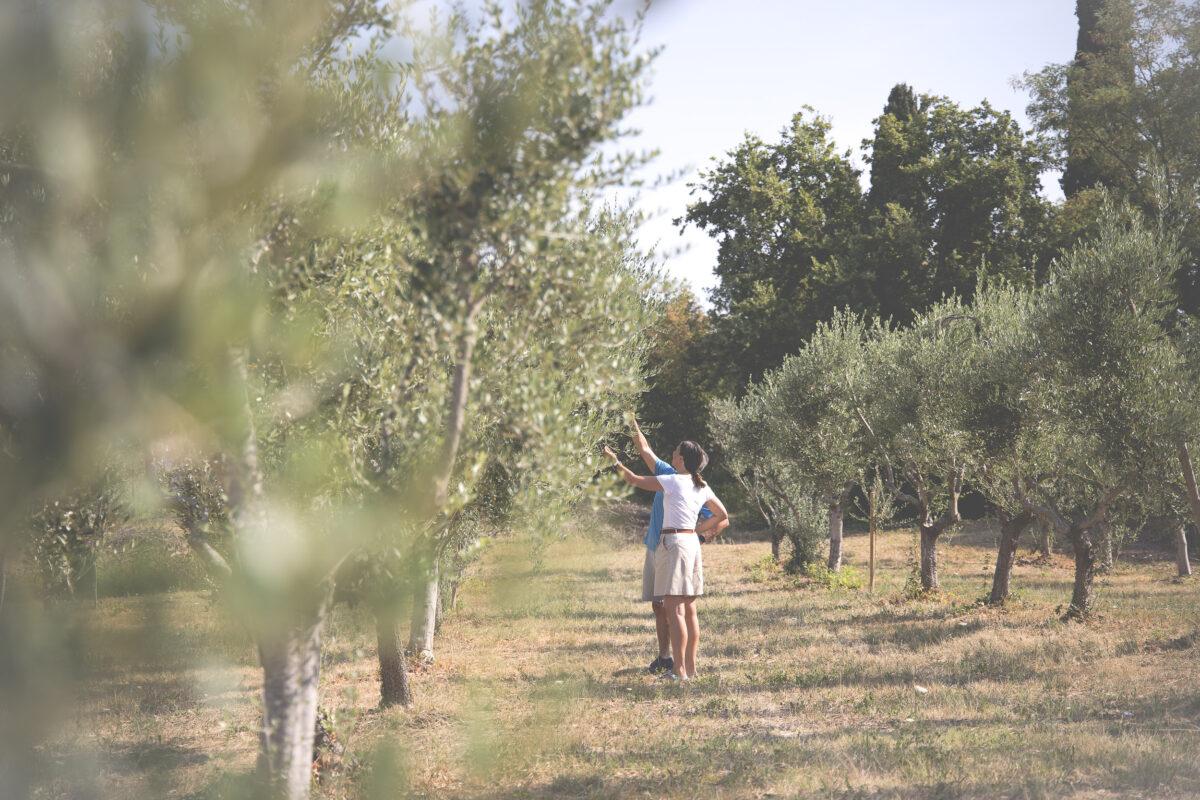
Though not directly adjacent to the hotel grounds, the luxurious My Arbor wellness hotel near Brixen has established an agricultural connection through its Agricoltura Pura project. About 170 kilometers away, near Albisano on Lake Garda, approximately 20 hectares of land are cultivated according to the principles of regenerative agriculture – as a large-scale permaculture project featuring fruits, vegetables, olives, grains, wine, and herbs.
Focusing on healthy soils, biodiversity, and functioning natural cycles, the project prioritizes long-term soil fertility and diversity over short-term yields. The harvested products are sent directly to the hotel, where they are processed fresh in the kitchen or refined for use throughout the year. The result is pickled vegetables, jams, preserves, and homemade oil, among other things.
#5 Gut Sonnenhausen, Bavaria, Germany
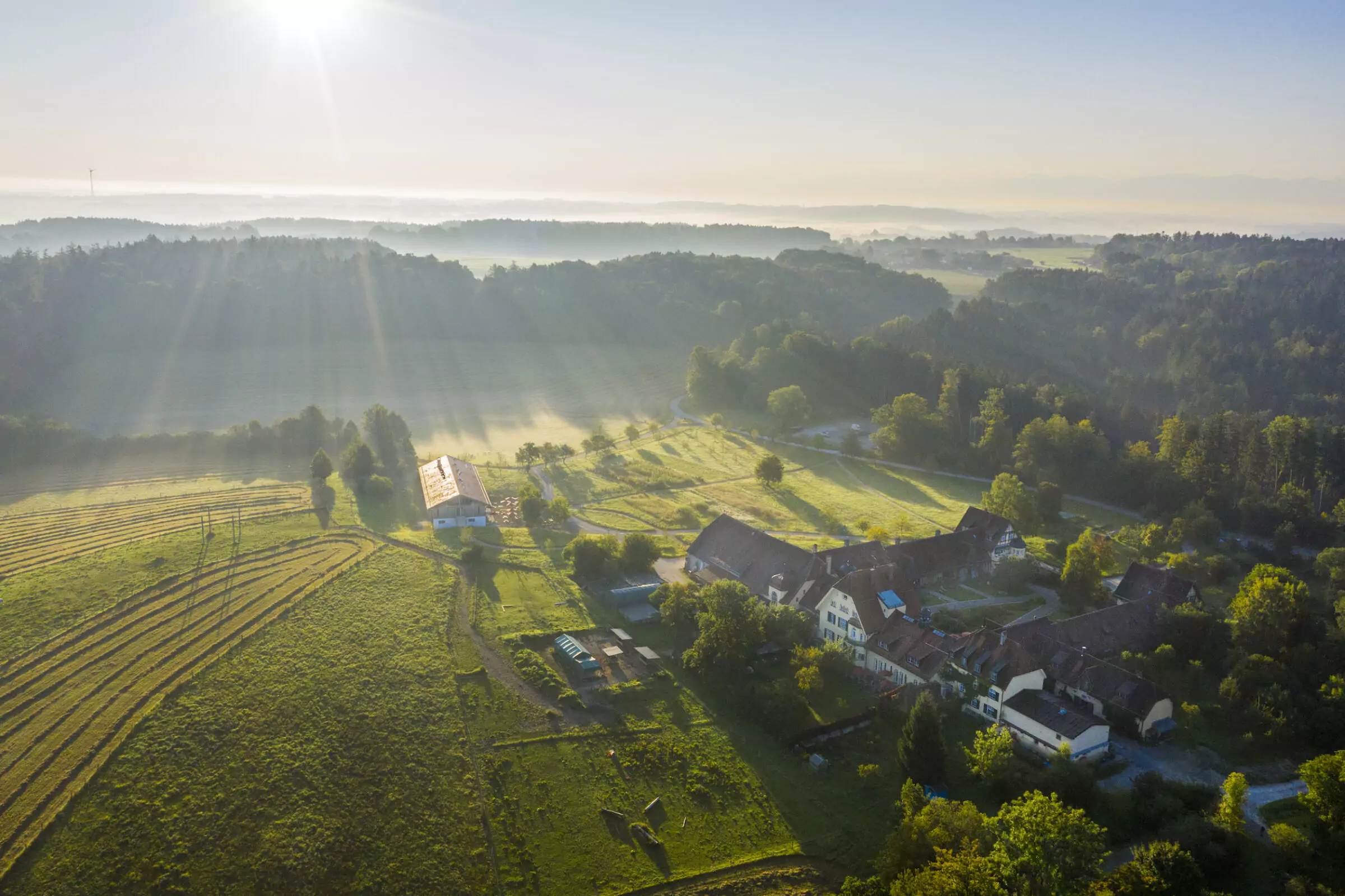
The principles of permaculture also guide agricultural practices at Gut Sonnenhausen, a hotel near Munich. In an interview, hotel gardener Marie Louise Troll tells us that permaculture is also a response to the climate crisis.
“We have been dealing with the effects of climate change on water resources and the increased occurrence of extreme weather events for years. Permaculture principles help make agriculture more resilient in the face of these changes.” – Gut Sonnenhausen
The Gut Sonnenhausen garden covers 2,700 square meters of vegetable cultivation, 500 square meters of culinary herbs, and an additional 25 hectares of nature surrounding the hotel with fruit and nut trees. To learn more (or pick up some tips for your own garden), you can participate in the hotel’s free “Gartentreff” (garden meeting).
Looking beyond the horizon— when agriculture changes more than just the menu
In the affluent DACH region, in particular, many hotels are showcasing the creative potential of their agricultural practices. However, travelers who look beyond the horizon—both literally and figuratively—will realize that organic farming has a different meaning in other parts of the world. It’s not only about taste, quality, and transparency; it’s also about securing livelihoods and real future prospects for local communities.
#1 The Pavilions Himalayas – The Farm, Nepal
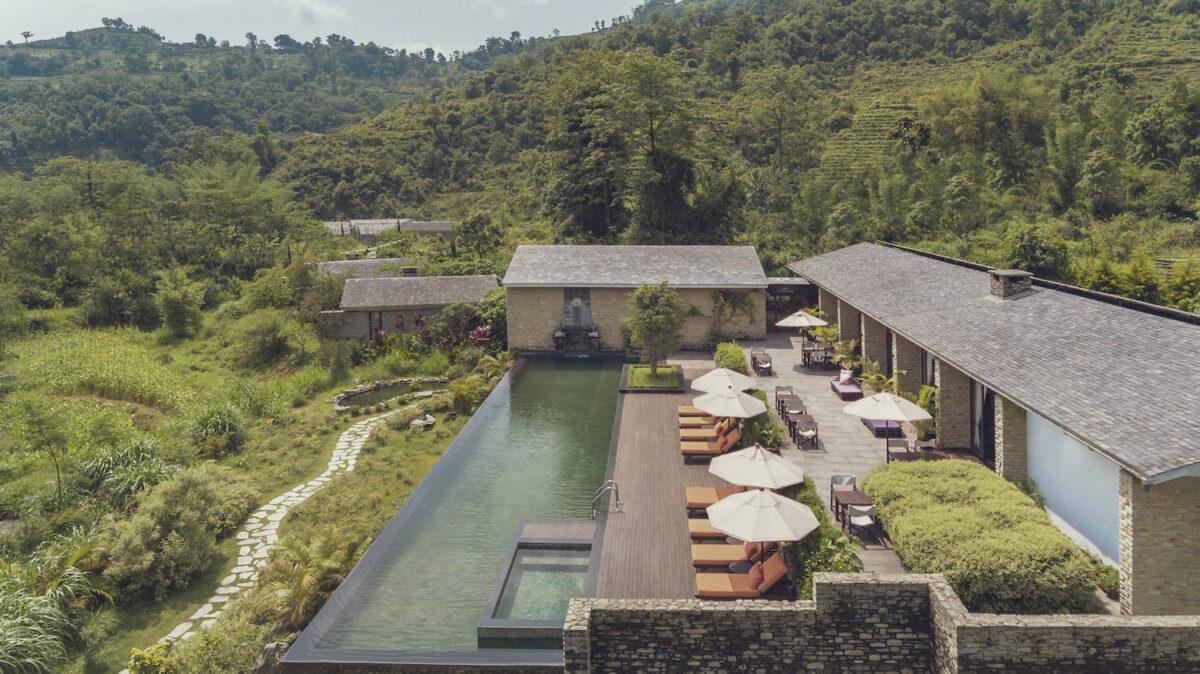
The Pavilions Himalayas — The Farm was founded with a clear vision: to help local farmers transition from conventional to organic agriculture and secure their livelihoods. The fields surrounding the resort are home to seasonal vegetables and herbs, and the resort produces eggs and milk that are used in Nepalese cuisine. The food is fresh, pesticide-free, and in harmony with the seasons. Even the ingredients used to make dal bhat, curries, and momos come directly from the resort’s own land.
More important than the harvest, however, is the transfer of knowledge. In addition to learning organic farming techniques, local farmers have learned the basics of entrepreneurship and now supply the hotel kitchen with organic produce, providing themselves and their families with an income.
Douglas and Insuba Maclagan, the founders of the Nepalese eco-resort, have been involved in social projects related to education, health, and employment for nearly 30 years. They deliberately avoid a profit-oriented approach, instead focusing on using tourism to have a positive impact on the region, its people, and the tourism sector as a whole.
- To learn more about their impressive story, read our blog post about impactful tourism.
#2 Canvas & Orchids Retreat, Cambodia
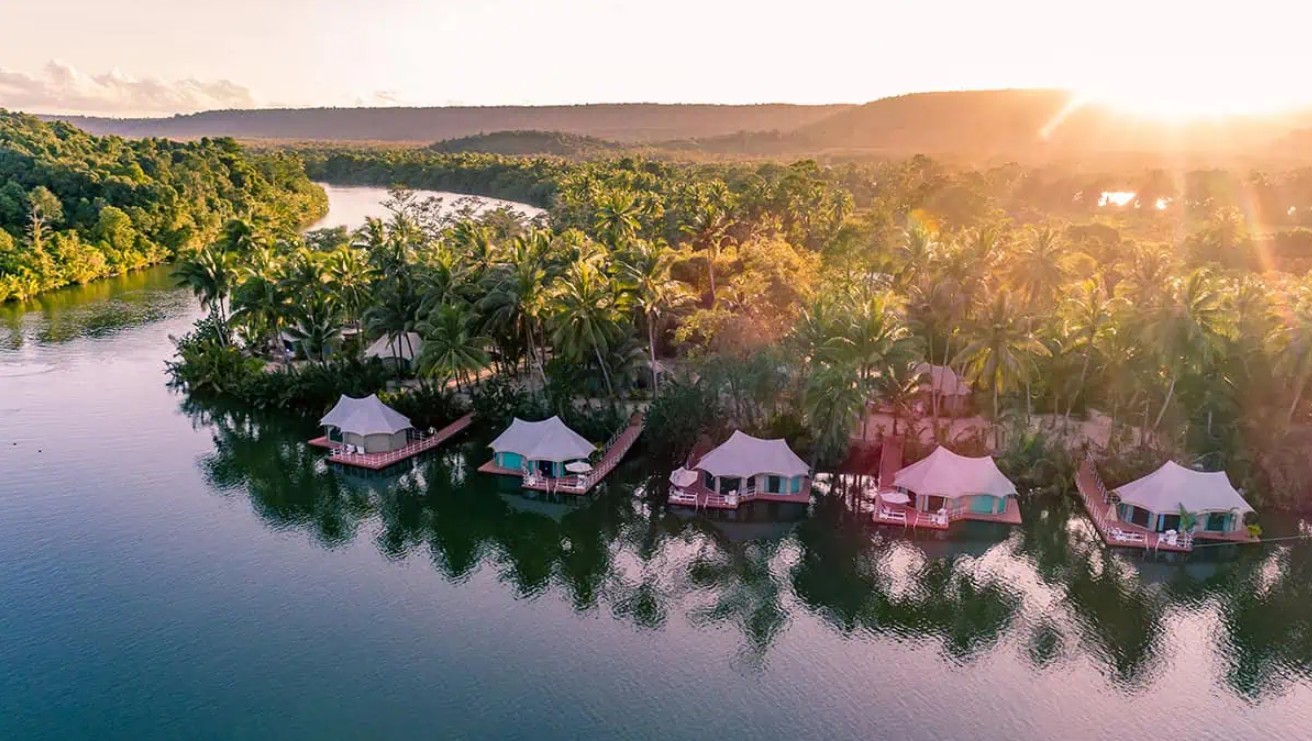
At the Canvas & Orchids Retreat, a sustainable resort featuring luxurious, partially floating tent villas nestled in nature, agriculture starts small. Yet it has a far-reaching impact. The resort’s farm grows basic vegetables, such as eggplants and cucumbers, as well as herbs, for daily cooking. This reduces transportation distances and ensures the freshest ingredients.
Guests taught the Cambodians how to farm chickens
In addition, the retreat intentionally incorporates the neighborhood and the guests. One particularly nice example is that returning guests with experience in poultry farming helped local families set up small chicken farms with their expertise and equipment. Today, these families supply the retreat with eggs and meat. Thanks to the initiative of these guests, a special farm-to-table connection has been created that continues to sustain livelihoods and strengthen local structures to this day.
Back to earth – and to more conscious travel
The Green PearlsⓇ hotels featured here demonstrate how travel can become more grounded. When you visit, you connect with more than just a place; you connect with what grows there, too. You can see vegetable plants, smell regional herbs, and enjoy food that could hardly be fresher.
At the same time, by vacationing at one of these hotels, you support people who practice responsible agriculture, whether in the Alps, on Lake Constance, or on the Tatai River in Cambodia. To us, this is what sustainable travel is all about: enjoying consciously and giving back to nature.
Save this article on Pinterest.


 Loading...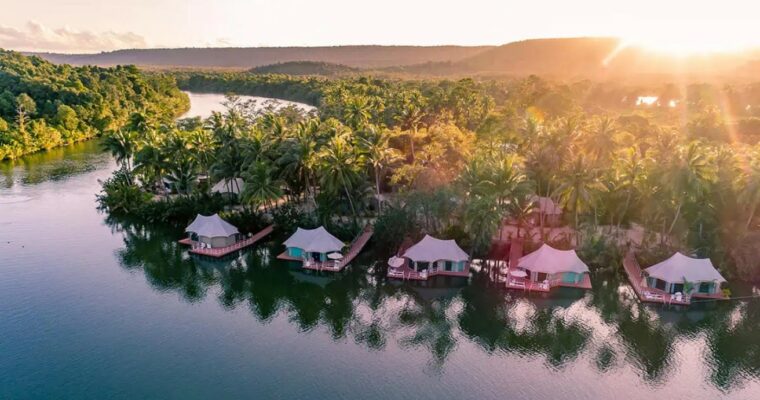


Inspiring example of farm-to-table sustainability. Onsite farming truly enhances eco-tourism, fresh food experiences, and promotes responsible hospitality practices globally. 🌱