When we think of a massage, most of us immediately picture warm hands, oil, and calming music. Pure relaxation. However, the world of massage has actually changed significantly in recent years—it’s often quieter in the spa, but louder in everyday life. For this article, I spoke with 17 sustainable hotels about massage and spa trends for 2026. Almost all of them described the same change: a conscious return to the essence of touch.
Why massages have become so technical in the past
Two developments in recent years have had a noticeable impact on the world of massage. Firstly, the pandemic saw spas close and physical contact become the exception, bringing self-massage into focus. Secondly, there was the technological boom. Electronic massage devices, pads and so-called ‘shiatsu’ tools flooded the market. Terms from Far Eastern healing traditions sounded familiar and promised quick and efficient results, which fit perfectly with the modern lifestyle.
This development is no coincidence. In countries such as Japan, South Korea, and China, technology, robotics, and automated applications have long been part of everyday life, including in the wellness sector. However, something was in danger of being lost on the way to the West: the traditional craft of touch.
Sustainable massage trends for 2026
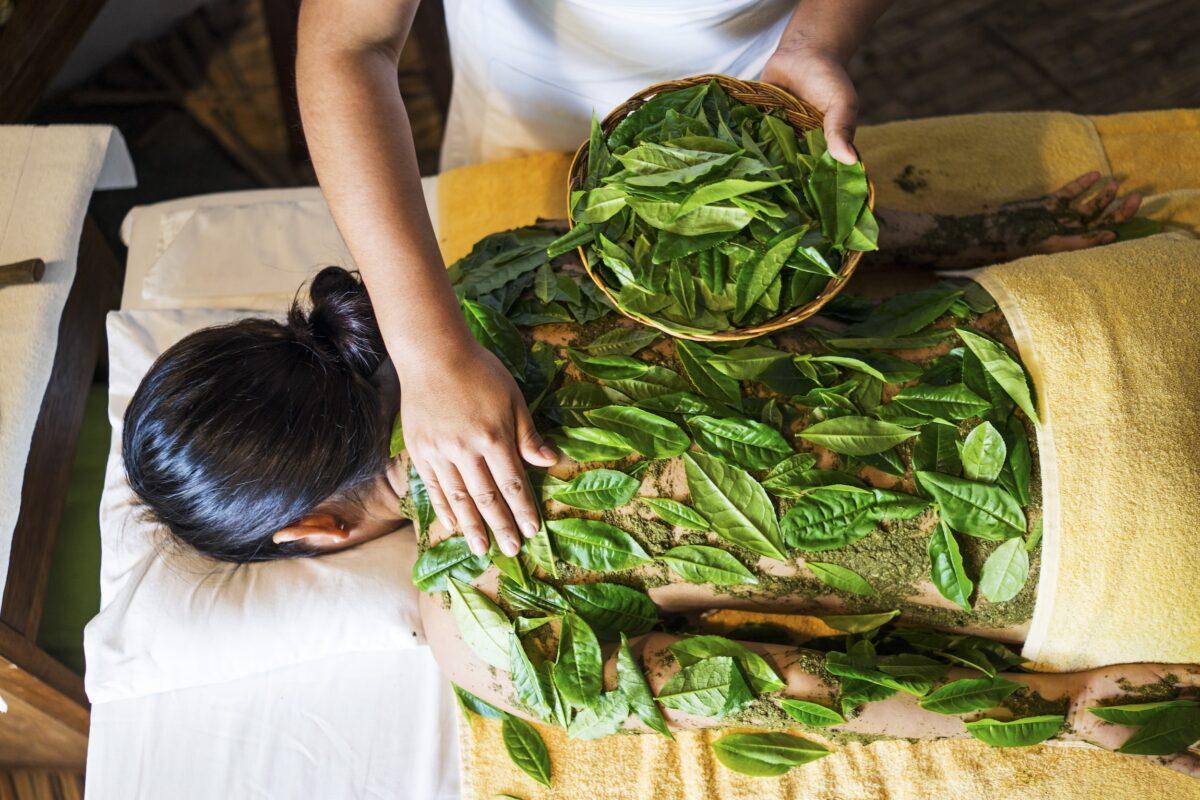
This makes what is now emerging all the more exciting. In 2026, spas won’t be asking which device will bring the next upgrade, but rather, which technology works without electricity. Gua Sha is one of the most striking examples of this shift. This simple scraping stone is making a comeback as a serious massage technique, not a beauty gadget, and is now being integrated into full-body rituals.
However, Gua Sha is only part of this movement. Bamboo massages, hot stone massages, sound massages, and the targeted use of essential oils are also becoming more popular. So, let’s take a closer look at which massage techniques will be popular in 2026, how to perform them at home, and which experiences are only possible at a spa.
Gua Sha – from beauty tool to full-body ritual
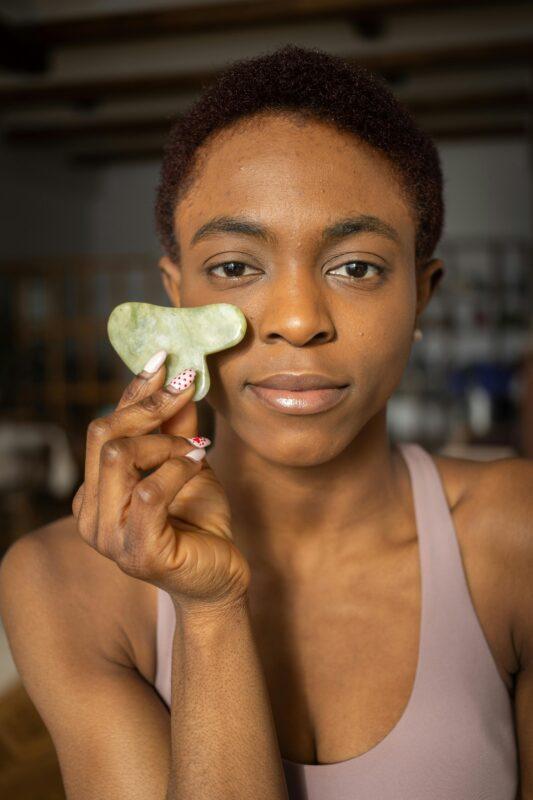
Gua Sha is anything but new; yet, it is experiencing a comeback in 2026. Once limited to facial massages, it has found its way back into spas as a technique that targets blood circulation, energy flow, and deep relaxation.
At the Lifestyle Resort Zum Kurfürsten on the Moselle, Gua Sha is an integral part of the holistic TCM concept. Designed according to Feng Shui principles, the wellness hotel has its own TCM center where Gua Sha is used to release stagnant Qi and blood, as taught in traditional Chinese medicine. Using a jade stone and oil, therapists scrape the skin, often in the shoulder and neck area, until it is well-supplied with blood. Experienced TCM therapists determine if and how to use the method after an initial diagnosis.
Gua Sha in a slowed-down form
The Hotel Korinjak, located on the Croatian island of Iz, provides a tranquil, nature-oriented experience. Located directly on the sea, the hotel offers daily yoga sessions under pine trees, vegetarian and vegan cuisine, and holistic treatments such as Gua Sha facials, head massages, and body rituals. Inspired by Ayurvedic and Far Eastern techniques, the treatments aim to harmonize energy flow and stimulate physical renewal in a minimalist, mindful way, without technology.
Research shows that Gua Sha is more than just a wellness trend; a pilot study by the University of Duisburg-Essen (2007) demonstrated increased microcirculation and immediate relief from muscular discomfort after treatment. These results suggest that the centuries-old technique has physiological effects.
The full-body massage – familiar, but reinterpreted in 2026
The full-body massage remains the foundation of every spa culture. However, it has evolved. Rather than standardized procedures, today’s focus is on the experience, which is often embedded in rituals, scents, and regional references.
At OLM Nature Escape, a full-body massage begins with smoke, not oil. An incense made from alpine herbs opens the senses before arnica and Swiss stone pine relax the muscles. The massage becomes part of a transition from everyday life to tranquility.
At SANDnature, too, it’s evident that guests are seeking simplicity. The most popular treatment here is the classic full-body massage, which can be 30 or 60 minutes long. There are no therapeutic promises or superstructure. Instead, it offers clear touch, rhythm, and relaxation.
Full-body massage as a “detox glow”
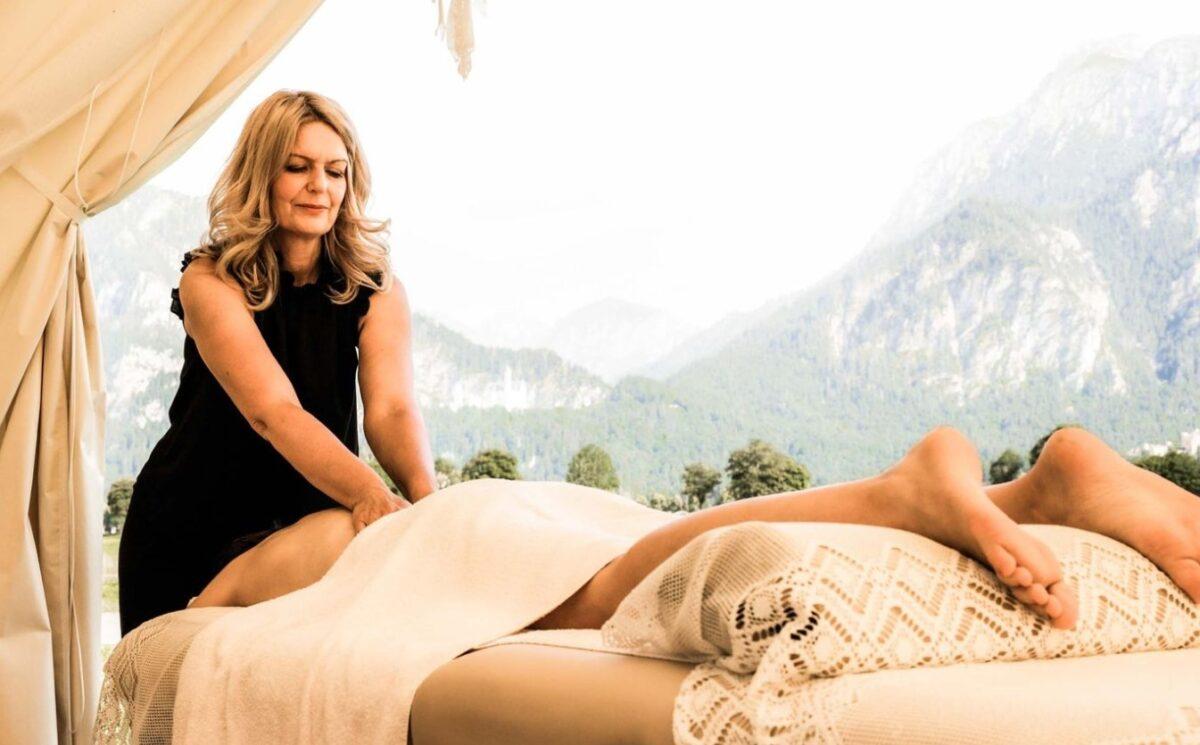
The full-body massage at the Hotel Das Rübezahl is designed to detoxify. Gentle and firm strokes are alternated and tailored to each guest. Exfoliating gloves are used to stimulate blood circulation, leaving your body “glowing”.
Bamboo massage: ideal for athletes
Bamboo massage is a dynamic form of massage. Smooth bamboo sticks are used for rolling and deep tissue work. The result is increased blood circulation, loosened muscle tension, and activated lymph flow.
At the Lifestyle Resort Zum Kurfürsten, bamboo massage is an integral part of the offerings. Legs, back, and arms are treated with different techniques—powerful but fluid. The massage fits perfectly into the hotel’s holistic concept, which combines traditional Chinese medicine (TCM) and modern wellness.
At the Hotel Klosterhof – Alpine Hideaway & Spa in Bayerisch Gmain, the bamboo massage is interpreted in an even more athletic way. It is specifically aimed at active guests. The newly renovated 1,500-square-meter Artemacur Spa combines medical expertise with alpine relaxation. The fact that the Klosterhof was awarded the title of “Medical Spa” in 2025 further solidifies this claim.
Trend: Aromatherapy massages
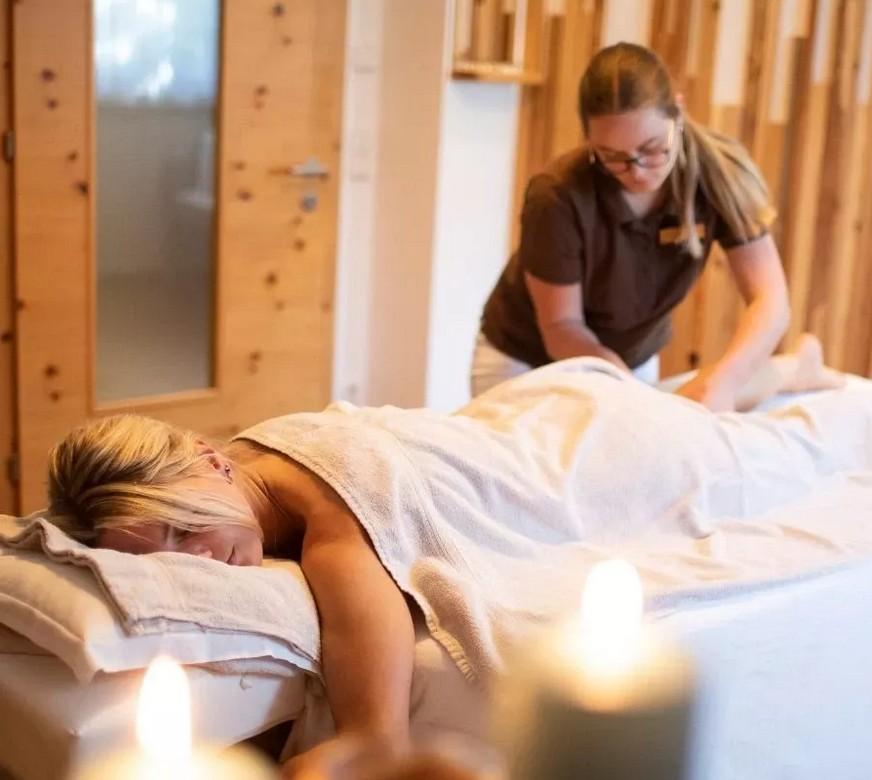
Essential oils are an essential part of aromatherapy massage. They are absorbed through the skin, respiratory system, and nervous system.
At Naturhotel Outside, this unfolds in a particularly sensual way. The Mind Relaxing Aroma Massage combines gentle touch with select organic aromatic oils. The scent accompanies every movement, calming the mind and bringing the body into balance for a multisensory experience. The hotel also uses essential oils for chakra massages. To learn more about this, including how to use essential oils in your everyday life, check out our blog post on essential oils.
The Hotel Weihrerhof in South Tyrol combines aromatherapy with a focus on regional products. The hotel’s BergSea cosmetics line uses water from Lake Wolfsgruben (which borders the hotel directly). In the boathouse sauna, essential oils from South Tyrol—Swiss stone pine and mountain pine—fill the air. Here, wellness smells like the surrounding landscape.
Hot stone therapy — the timeless power of heat — remains in vogue.
Heat relaxes, opens, and supports muscles, making it a central element of any massage. So it’s no surprise that hot stone massages will still be popular in 2026.
For example, at the Naturhotel Outside mentioned above, warm basalt stones are used before the aromatic oil massage to stimulate energy centers. The hotel’s Natur Spa was completely redesigned in 2025 and now features a healing water brine bath, pools, and a spa garden in the Hohe Tauern National Park.
The SCHWARZWALD PANORAMA also shows how closely linked hot stone and aromatic oil massages are: individually tailored, calming, and restorative. According to the hosts, hot stone massages were one of the most popular in 2025, which is why they will continue to be offered in 2026.
At the Naturresort Gerbehof on Lake Constance, stone massage is a classic that guests enjoy time and again.
What will become less important in 2026 – and why
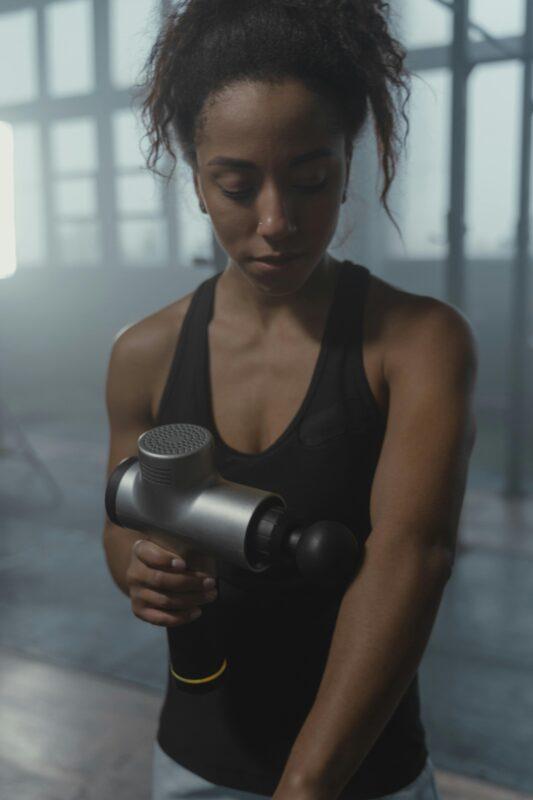
In recent years, massage has not only been reimagined, but also remarketed. In my previous work as a journalist, including for commercial platforms such as Amazon, RTL, and Wetter.de, I extensively covered massage chairs, pads, and guns. Self-massage devices were booming. And almost every device promised the same thing: shiatsu.
The term sounds familiar, high-quality, Far Eastern. In fact, shiatsu simply means “finger pressure” — a manual bodywork technique developed in Japan that uses the hands, thumbs, and body weight. In the world of devices, however, shiatsu has become a marketing term. Since the name is not protected, almost any massage pad can be advertised as Shiatsu, regardless of how closely it resembles the original technique. After all, what sounds appealing sells. However, deep touch can only be imitated electrically to a limited extent.
Before you buy a massage gun, read this
The situation is similar with massage guns. So-called percussion therapy promises to penetrate deep into muscle tissue and release trigger points, or muscle knots. In certain contexts, this can be useful. However, many devices are loud, heavy, energy-intensive, and far from relaxing. Cheaper models reach volumes of up to 90 decibels, and even high-quality versions often reach 50 decibels. Instead of relaxation, there is irritation. Instead of relaxation, there is tension. Or at least in my opinion.
Furthermore, technical massage tools are expensive, and I suspect that most of these devices are gathering dust in the junk room. Right?
Added to this is an aspect that has long played a minor role in the wellness debate: sustainability. Batteries, resource consumption, short product life cycles, and global shipping all contrast with what many people expect from relaxation today. After years of self-optimization, vibration, and kneading, there is a growing desire for something different.
Therefore, in 2026, a clear countertrend is emerging (at least at sustainable Green PearlsⓇ hotels): less technology, less noise, and fewer devices. Instead, there is a return to time, warmth, oil, real hands, and naturally designed spaces. Those who want a deeper experience are investing in a good day spa, a well-thought-out wellness concept, or a customized treatment, not the next tool.
Therapeutic massages — when a massage is more than just relaxation
All of the massages we have presented so far belong to the “wellness massage” category, meaning they are intended for healthy individuals. These massages aim to promote relaxation, regeneration, and well-being. They typically incorporate flowing movements, oils, heat, and/or rhythmic movements, but do not involve medical diagnosis or healing promises.
Therapeutic massages, on the other hand, pursue a different goal. They are part of medical or manual therapy and target specific issues, such as back, joint, or muscle problems. The goal is to provide relief and identify the causes of these issues, improve function, and stabilize them in the long term.
It is important to note that therapeutic massages are considered medical treatment and may be covered by health insurance under certain conditions. Only state-certified massage therapists, medical bath attendants, physical therapists, or doctors are permitted to perform them. These professional titles are protected by law and require extensive training.
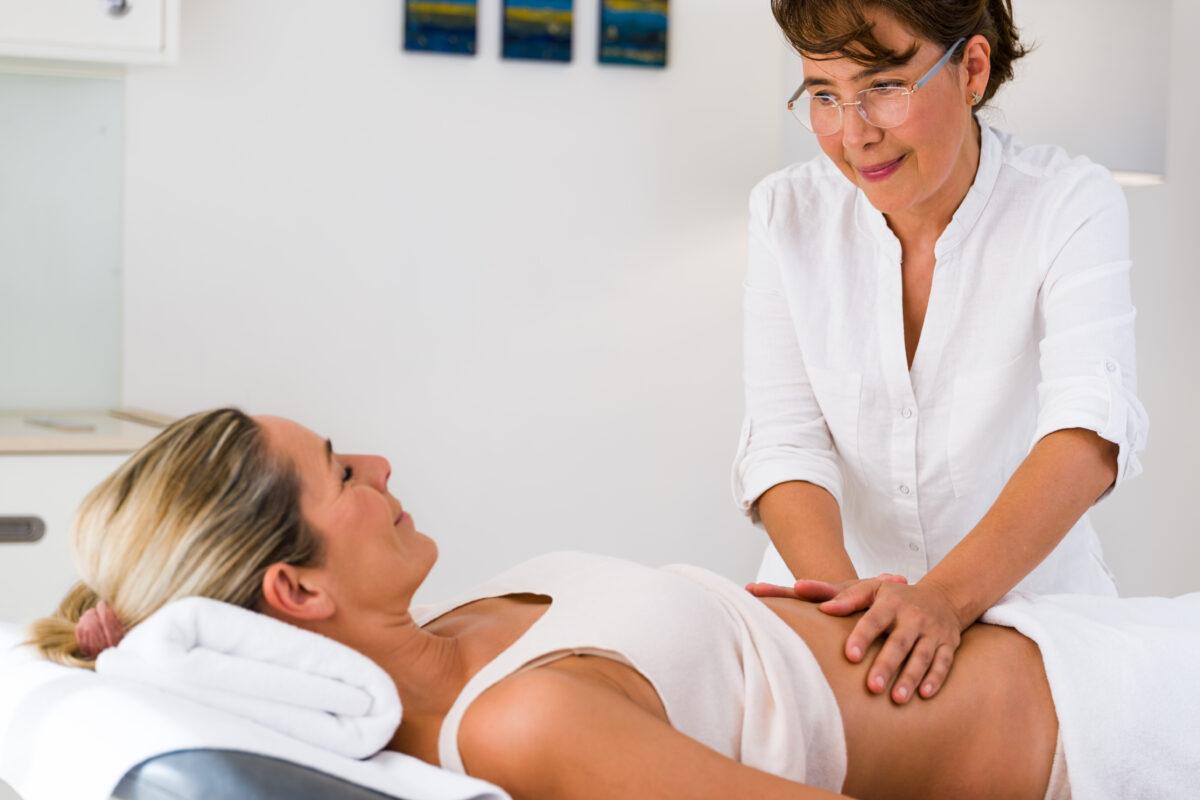
Wellness massages, on the other hand—as beneficial as they may be—are not included in this category. They may be performed by professionals who are appropriately trained but not necessarily state-certified, as long as it is clearly communicated that the massages are not therapeutic or medical treatments.
Some hotels focus specifically on the therapeutic aspects of their spas. Examples include the STURM wellness hotel in Mellrichstadt, Germany (which offers organic food, a natural swimming pond, and yoga classes), and the OCEANO Health Spa Hotel in Tenerife, Spain. This Canary Island hotel combines wellness and medical treatments, sports, and healthy nutrition in a unique natural setting between the Atlantic Ocean and the mountains.
Other hotels stick strictly to wellness. Both approaches are legitimate. The key is transparency.
Between therapy and ritual – alternative forms of massage
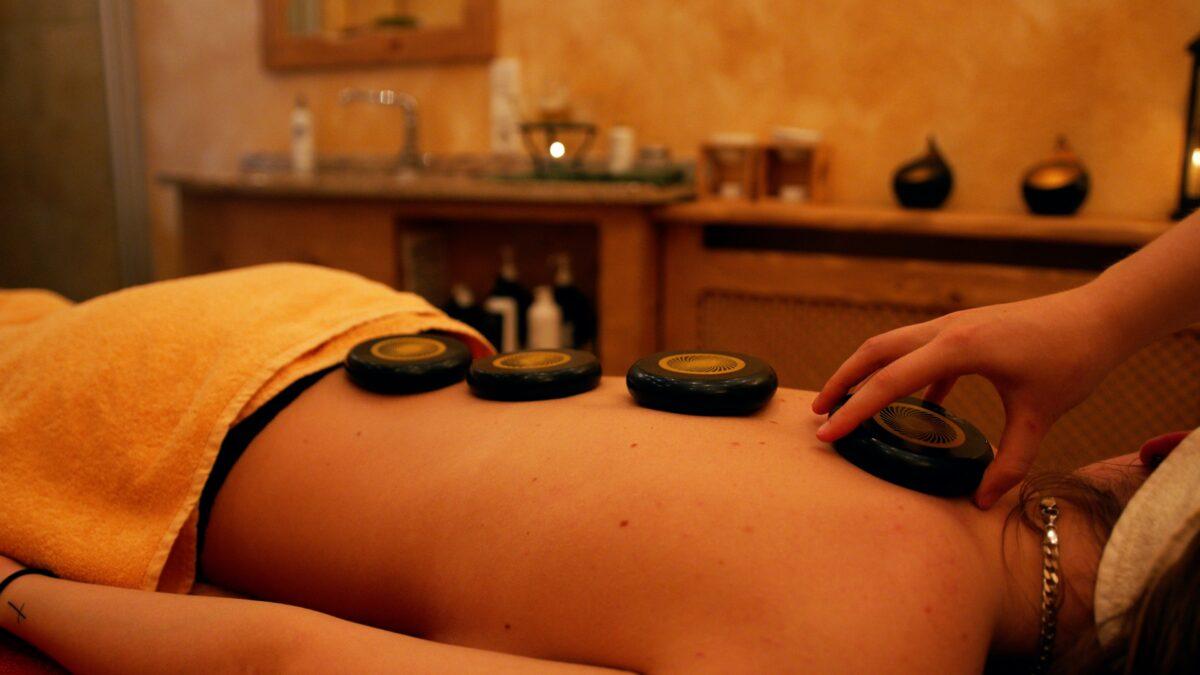
In addition, there are forms of massage that are not medically or therapeutically recognized but are based on well-established traditions.
The Lifestyle Resort Zum Kurfürsten offers Tuina—a Chinese manual therapy involving acupressure, stretching, and rotating movements. The treatment can be vigorous or gentle and is tailored to each individual based on pulse and tongue diagnosis.
The Naturresort Gerbehof supplements its range of services with stress-relieving massages based on the Philippi method and VegetoDynamik® by Margot Esser — gentle, holistic treatments that appeal to the body and soul.
Sound massages – touch without hands
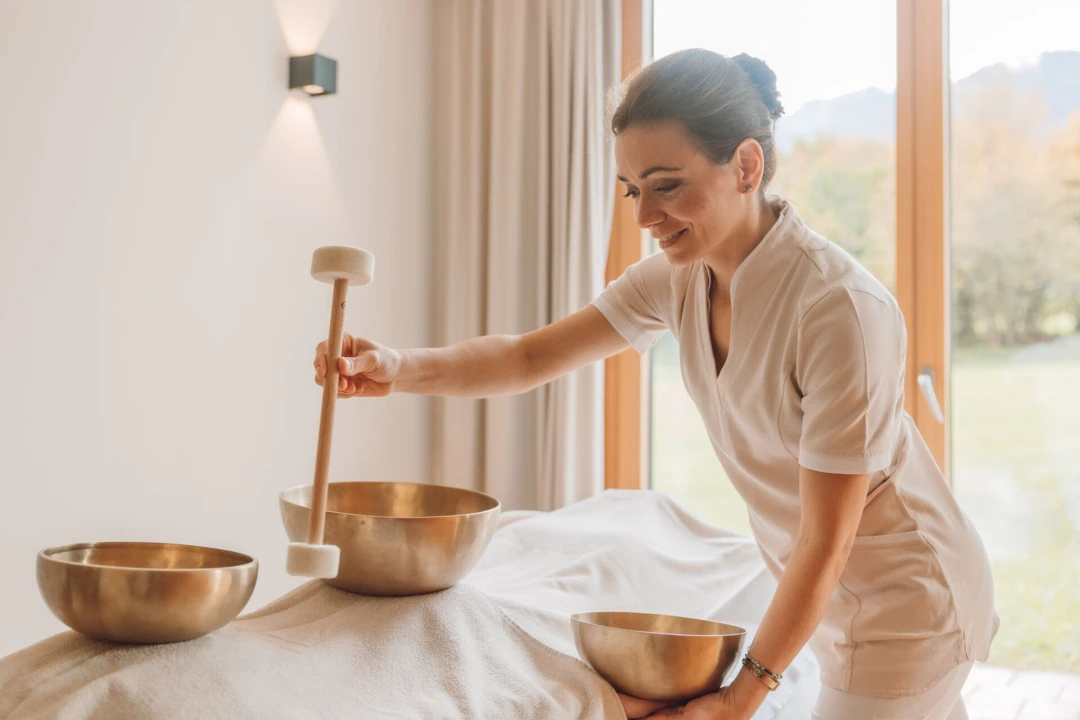
Sound massages are a global trend that will continue into 2026. The Peter Hess® method uses vibrations transmitted into the body via singing bowls. Contrary to what we often assume, sound massage is a Western invention, as explained in this blog post.
At the Hotel Korinjak, sound massages and daily gong baths are part of the holistic program. The bowls are played on or near the clothed body, and the resulting vibrations permeate the tissue, releasing tension and bringing deep calm.
The Hotel Okelmann also offers Peter HessⓇ sound massages, as well as intuitive wellness massages, which are quiet, effective, and surprisingly intense.
Massage rituals that only the location can create
Some massages are inextricably linked to their location. At Inkaterra in Peru, for example, the signature treatments draw inspiration from the local culture, nature, and history: cleansing rituals with medicinal plants from the rainforest, royal baths in Cusco, and massages for hikers in the Sacred Valley.
Similarly, LA VIMEA offers personalized wellness experiences, where “Wellness Master Sylwia” designs 21 holistic treatments—from massages and energy work to Ayurvedic rituals—tailored to the guests’ inner rhythm.
Finally: a ritual to take home with you – inspired by the My Arbor Hotel
Finally, we would like to introduce you to a wellness ritual that you can also enjoy at home. It was presented to us by My Arbor, a wellness hotel located in the treetops near Brixen. The hosts describe the “Arboris Tree Ritual” as the “heart” of their spa. Here’s what it looks like:
#1) Fragrant Full-Body Scrub: This cleansing scrub with natural essences frees the body and mind, preparing you for the next steps.
#2) Sauna: A visit to the sauna opens the senses.
#3) Massage and Tree Power: A harmonizing massage combines the beneficial effects of larch, mountain pine, Swiss stone pine, and spruce. These four trees represent strength, calm, grounding, and vitality.
#4) Cuddle Time: Guests are wrapped in comfort and enjoy a rest period in the nest accompanied by homemade sorbet and chocolate pralines. “A moment of complete warmth, protection, and relaxation.”
“The tree ritual combines purification, regeneration, and deep grounding—a holistic experience that immerses guests in South Tyrol’s forest world.”- My Arbor
Conclusion: Massage 2026 feels real again
After years of technological advances, massage is returning to its roots. Fewer devices, less noise—more hands, warmth, presence. The sustainable Green Pearls® hotels demonstrate that true luxury lies not in the new, but in the conscious.
Save this article on Pinterest.

 Loading...