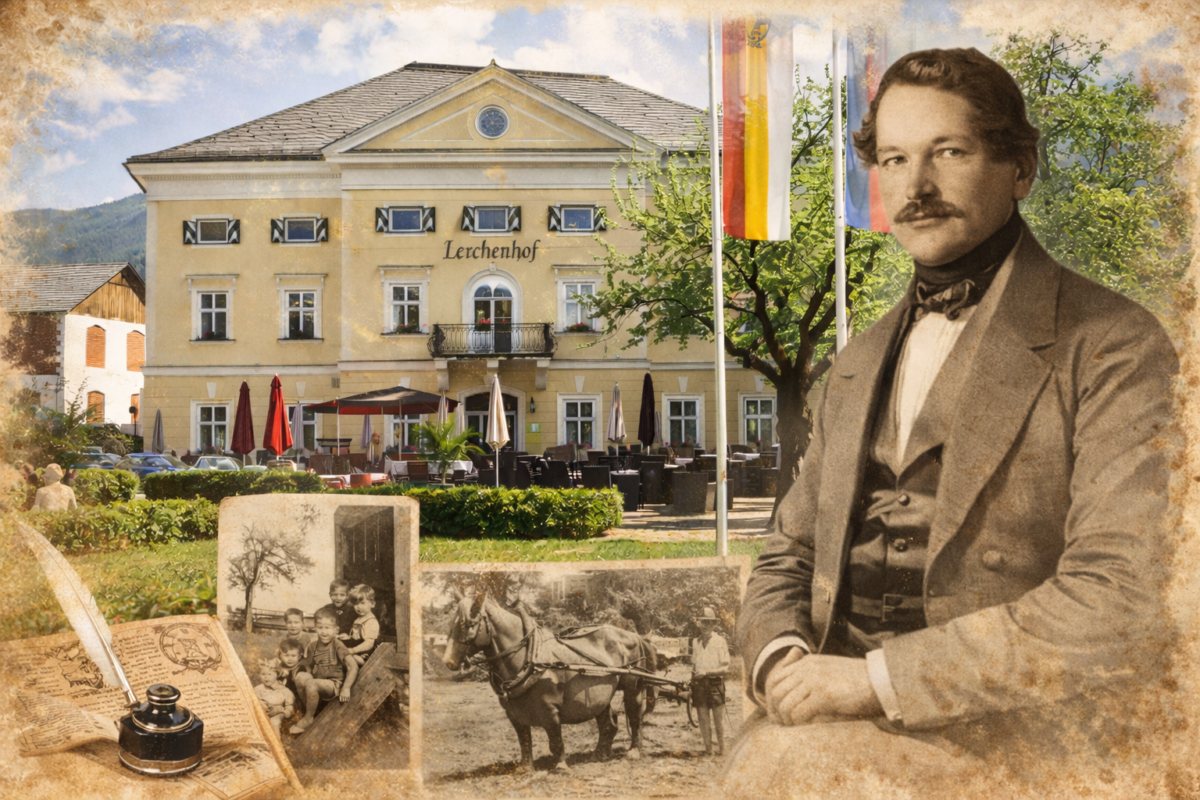
Schloss Lerchenhof was built as a summer residence for an impending wedding that never took place. It is a story of love, fate, and a decision that broke with 19th-century social conventions. We were the first to learn the true history of Lerchenhof Castle and how this legacy lives on today.
What is really at the heart of this “special love story”?
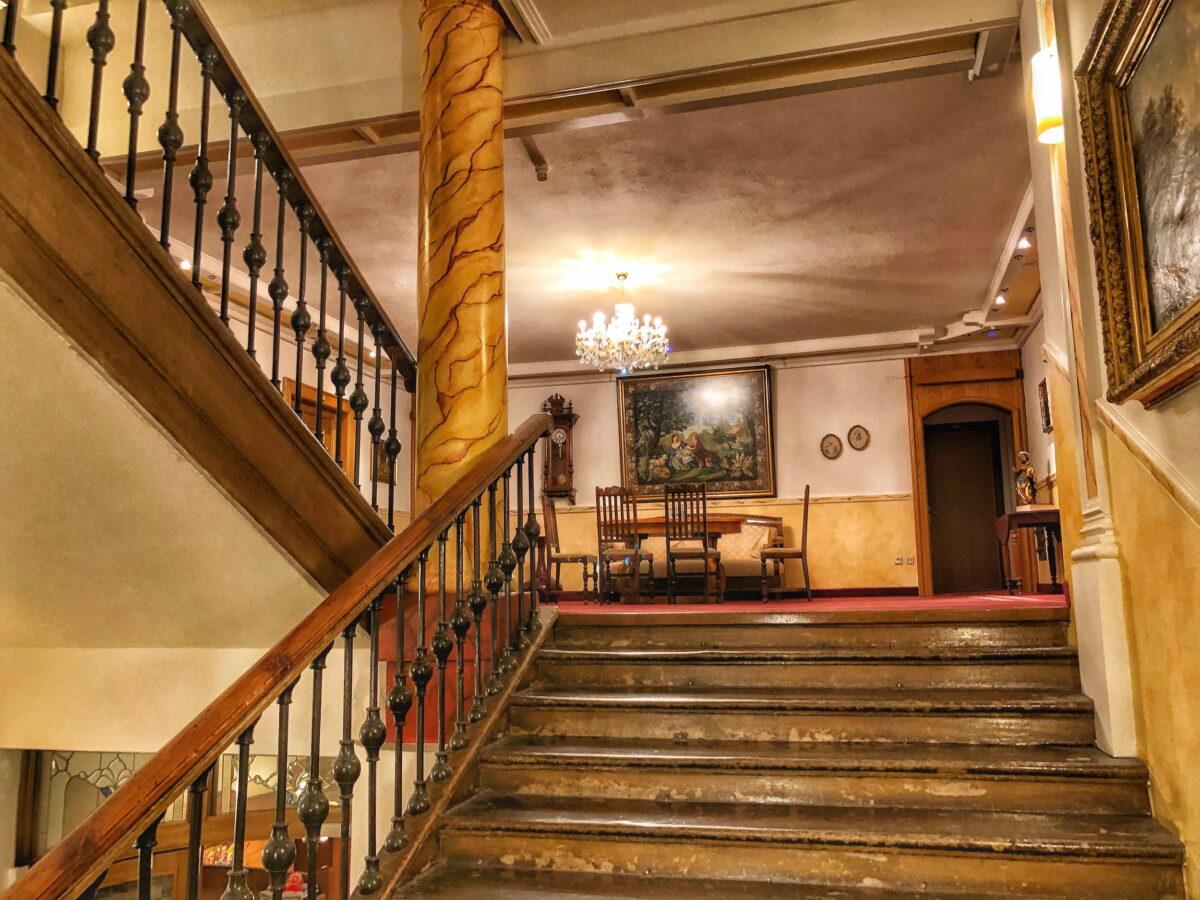
As you walk up Schloss Lerchenhof’s impressive, historic staircase, you can sense the building’s rich history. High ceilings. Biedermeier style. The thick walls date back to the 19th century. According to the website, the castle became the property of the Steinwender family due to a “special love story.” What exactly does that mean?
We wanted to know, so we asked the Steinwender family. And what Johann Steinwender told us has never been recorded in such detail anywhere else. So, you are among the first to get the full story.
1848: A castle for a wedding
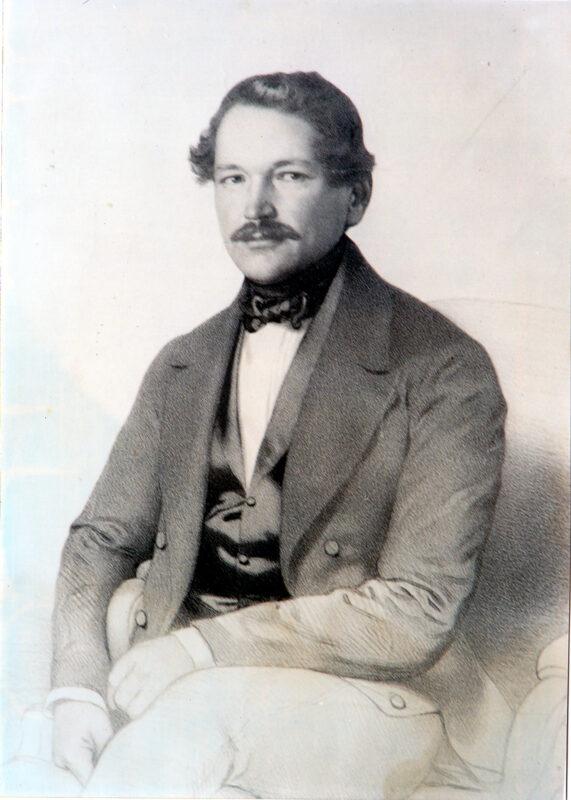
The house’s origins date back to 1848. Julius Emanuel Wodley, a young industrialist, had the castle built as a summer residence for his upcoming wedding to his fiancée, Susanne, also known as Susi. He operated the hammer mills behind the castle in Gösseringgraben, and the Steinwenders’ farm was next door. Lerchenhof Castle was intended to be the young couple’s shared home.
However, before it was completed, the unexpected happened: Wodley died in an accident in the surrounding mountains. Young, full of plans, and never having seen the castle in all its splendor or having moved in with his bride.
An extraordinary inheritance
On his deathbed, he bequeathed the castle to his future wife. This was unusual, if not scandalous, at the time! In the mid-19th century, it was neither customary nor desirable for an unmarried woman to be an heiress or to own anything.
But there’s more. Susanne was pregnant. While it is not certain, it is likely that the young Julius knew this and wanted to bequeath the castle to both his love and his child.
Susanne’s daughter, also named Susi, married a Steinwender in 1880. Through a combination of love, courage, and social transgression, the Lerchenhof came into the possession of the family that still owns the castle and farm today.
Two brothers, one stable—and no differences
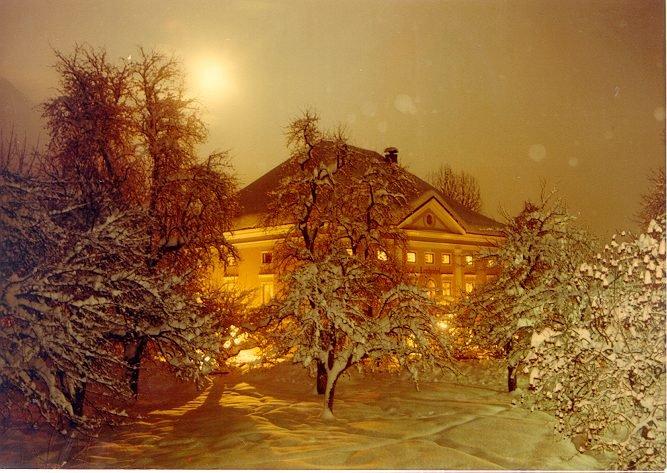
The castle initially became part of the Steinwender family’s ancestral farm. In 1928, it was divided between the family’s two sons.:
- One brother kept the family farm
- The other brother continued Lerchenhof Castle independently with its own farm.
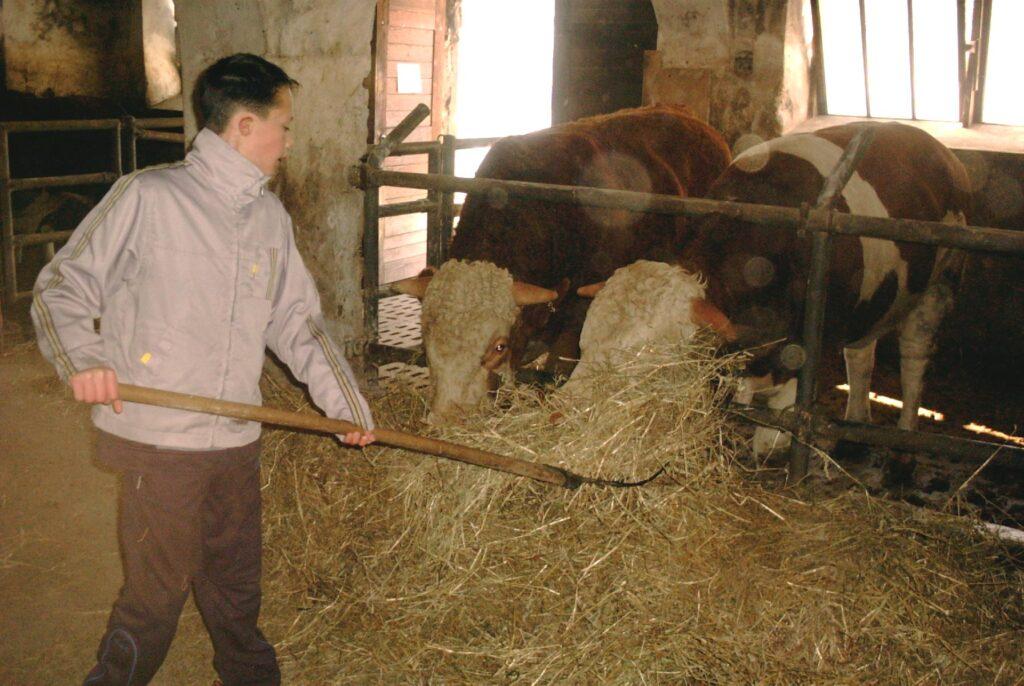
Here, too, the family tells a story that reveals a lot about their attitude. The two brothers got along so well that they simply met in the barn and divided the cows between themselves amicably and without argument. Everything was settled within a single night.
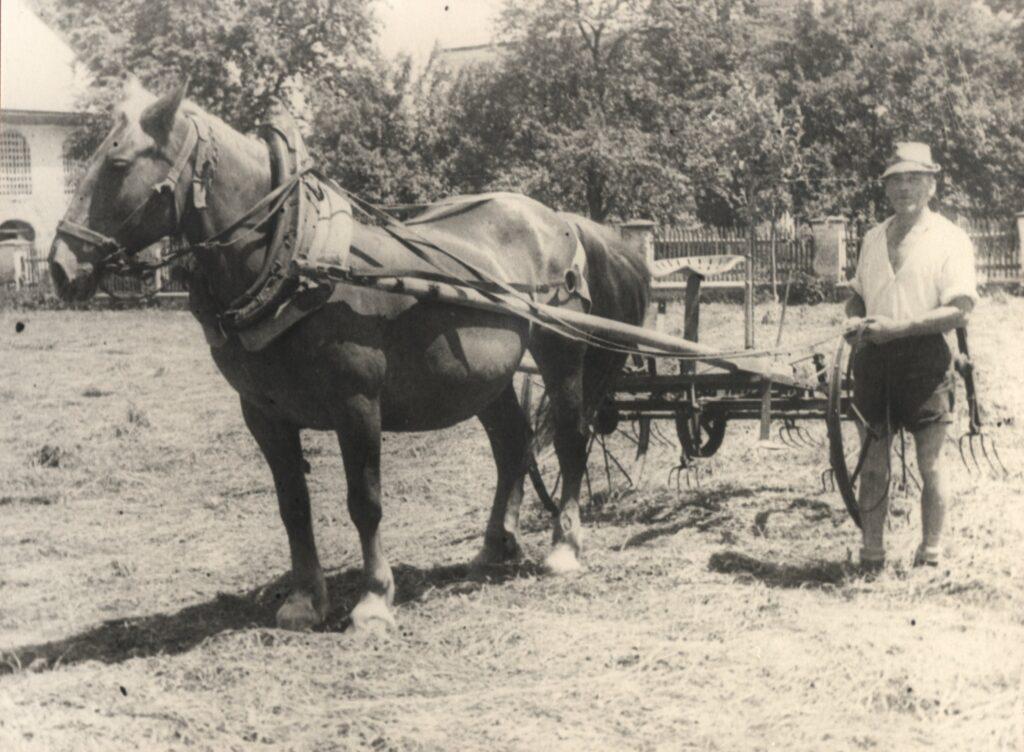
Hans Steinwender took over the Lerchenhof. He farmed with his wife, Frieda, bred horses, and was publicly involved in the region.
Listed building status for the castle, as well as the opening of an inn
In 1939, the property was listed as a historic monument and officially recognized as Schloss Lerchenhof. Gradually, the agricultural estate was transformed into a hospitality venue. In 1959, the next generation, Hans Steinwender and his wife Gertrude, took over and opened an inn.
In 1996, the property’s development continued as the parents of the current hosts, Hans and Gernhild Steinwender, began running the castle as a four-star hotel with comfortable rooms and a wellness area. The former estate had finally become a boutique hotel with a historical core and modern amenities.
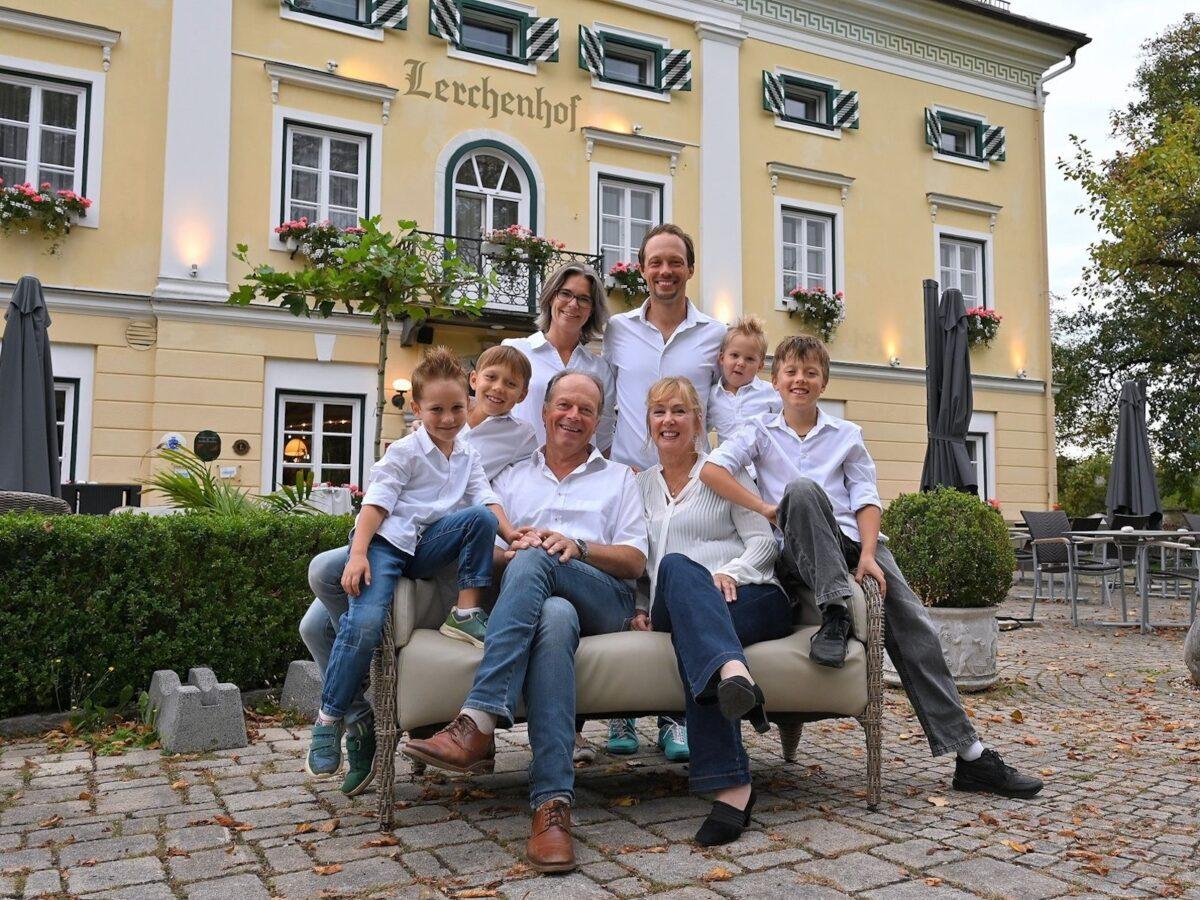
In 2025, Johann Steinwender and his wife, Karin, officially took over the castle from Johann’s parents, Hans and Gerhild. They had already been running the business on a leasehold basis for two years during a transitional phase, gradually growing into their new responsibilities. “An exemplary and, in my opinion, exceptionally successful process,” says Johann, looking back. It was entirely in keeping with the Steinwender family tradition of placing great value on peaceful coexistence.
Johann Steinwender: History as a responsibility
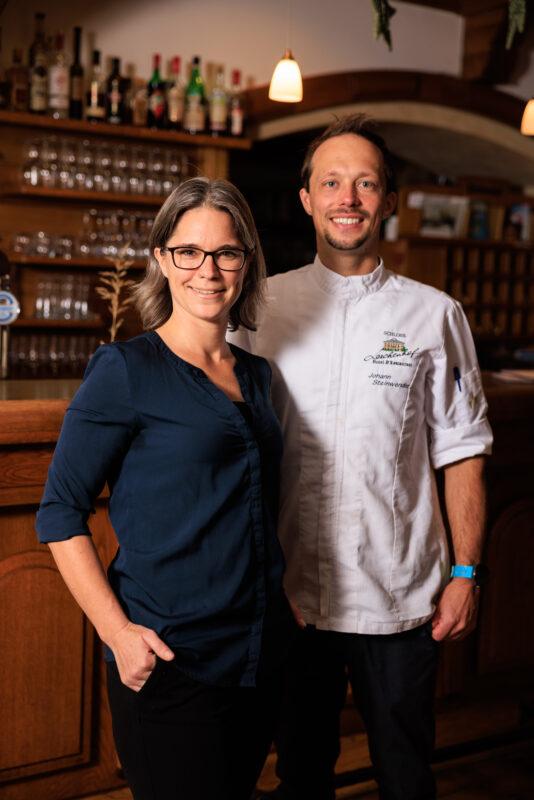
When Johann Steinwender talks about his family history, it’s clear how deeply connected he is to his roots. He speaks with obvious pride and enthusiasm. He and Karin personally manage the boutique hotel, which has just 20 rooms, in a warm and welcoming manner. As hosts, they are always on hand to help.
Vacation in a castle – between history and the future
When you arrive at Schloss Lerchenhof, you will enter a living house, not a museum. You can climb the historic staircase, retreat to one of the individually designed rooms, read in the library, or simply enjoy the silence in the corridors. Outside, you will find a 14-hectare nature reserve comprising meadows, forests and fields.
An energy-self-sufficient hideaway with a “power place” and a slow food philosophy
The kitchen’s philosophy is clear: slow food, zero-kilometer products, an agriculture system based on ecological principles, seasonal natural cuisine, and artisanal quality. Everything that ends up on the plate has provenance and character, and most of it comes fresh from the hotel’s own fields.
At the same time, the hotel is energy self-sufficient. A small hydroelectric power plant and biomass plant supply the historic building with electricity and heat in a sustainable and resource-efficient manner via the hotel’s own energy management system.
A Biedermeier castle that generates its own energy—that is progress in the spirit of responsibility.
If you (like me) have a soft spot for family histories and want to see how a Biedermeier castle built in 1848 is sustainably and energy-efficiently operated today, then the Hotel Schloss Lerchenhof could be the ideal place for your next vacation. Or, if you’re a bon vivant who wants to experience the Carinthia region through its cuisine, you’ve come to the right place. Along the way, you will become part of the hotel’s special history.
Some places tell stories. Some places are stories themselves.
Save this article as an inspiration on Pinterest.

 Loading...