I practice breathwork every day. The reason? To save my mother-in-law’s life. Sound exaggerated? It is. In this article, however, you’ll learn some interesting facts about breathwork that you probably weren’t aware of. We’ll also introduce you to sustainable hotels where you can learn this practice under professional guidance while on vacation.
What is breathwork, and why is breathing so important for our well-being?
Breathwork refers to various techniques that involve consciously controlling your breathing. The goal is to effectively influence your body and nervous system.
What makes this method effective? Your breath is directly connected to your autonomic nervous system. Through breathwork, you can control whether your body is in stress mode or entering a state of relaxation. Quick, shallow breathing signals danger to your body, while calm, even breathing signals relaxation.
What types of breathwork are there?
Breathwork is not a single, uniform concept. There are many different approaches, ranging from medically grounded methods to spiritual or physically intense breathing techniques. We’ll take a closer look at some of them now.
The Buteyko Method: Why breathing less is better sometimes
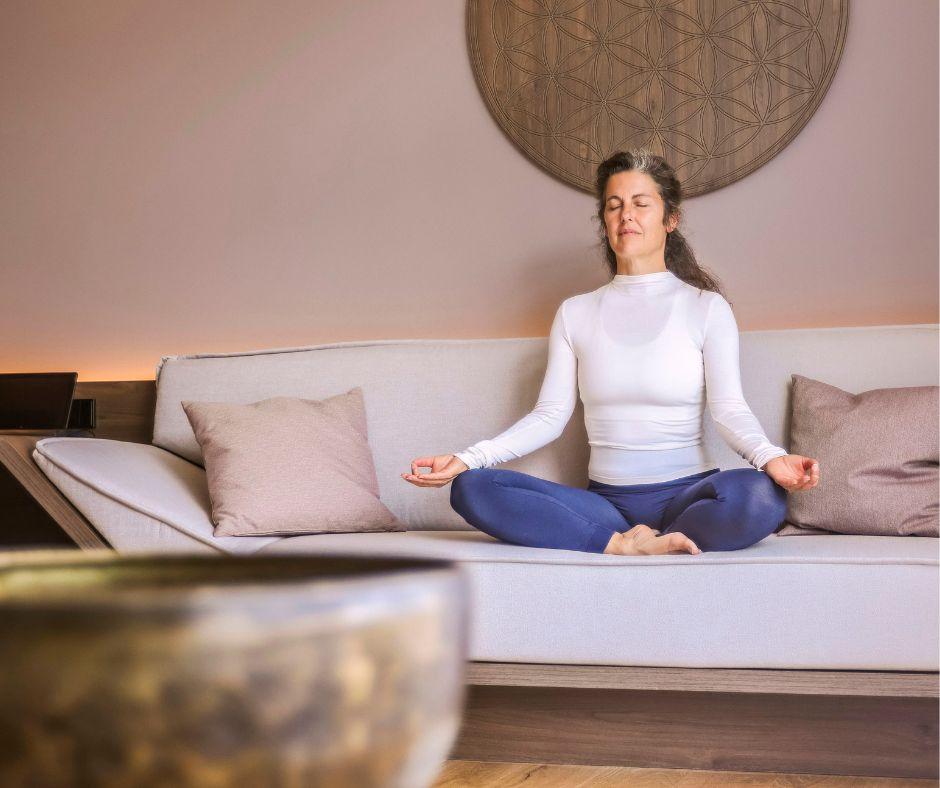
The Buteyko breathing technique takes a surprising approach: you should breathe less, not more.
Why? Many people tend to overbreathe in their daily lives. This means they breathe too quickly or too much, which lowers the carbon dioxide (CO₂) levels in the blood. However, it is precisely this CO₂ that is essential for transporting oxygen efficiently to the cells.
Therefore, the Buteyko Method focuses on:
- calm, shallow breathing
- breathing through the nose
- short pauses in breathing
The goal is to calm the respiratory center and restore the body’s natural rhythm.
Among other things, this method is used for:
- Asthma
- Stress
- Sleep problems
- High blood pressure
At the SCHWARZWALD PANORAMA in the northern Black Forest, the Buteyko Method is incorporated into the breathwork program. In keeping with this theme, the Green PearlsⓇ Hotel, a sustainable hotel, is located in the climatic health resort of Bad Herrenalb, which is officially recognized for its exceptionally clean air. At the Selfness Center, guests learn to consciously regulate their breathing to strengthen their physical and mental health.
The approach at the Hotel Korinjak in Croatia is similar. Here, the focus is not on intensity, but on natural breathing. “Many people believe they need to breathe ‘more,'” explains Ana from the hotel. “But often, the opposite is true.”
Modern lifestyles often lead to hyperventilation, which stresses the body rather than supporting it. That’s why, with us, you’ll learn to slow down your breathing, make it gentler, and breathe through your nose again—an approach that can calm your nervous system in the long term. – Ana Grzincic, Hotel Korinjak
Breathwork You Can Try: An Exercise from the Hotel Korinjak
Breathwork instructor Snježana Kovačić demonstrates an exercise “to open the chest”here:
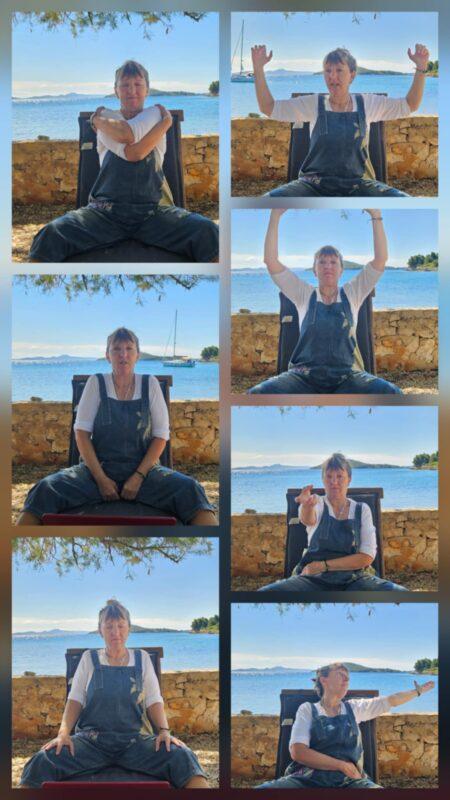
Sit up straight | 2. Cross your arms over your shoulders | 3. Open your arms and expand your chest as you inhale | 4. Lower your arms as you exhale | 5. Raise both arms as you inhale | 6. Lower your arms as you exhale and hold the position for a moment. Breathe through your nose; feel how your breath has become calmer | 7. Focus and awareness: With small, deliberate movements (pointing forward, arm to the side), you consciously direct your attention. Your breath follows the movements.
After the exercises, your chest should feel open—this may be enough on its own, or you can move on to further breathing exercises (Snježana continues beyond this sequence.)
Breathwork workshop with Dan Brulé at Hotel Korinjak: June 5th – June 6th 2026 Hotel Korinjak will host a special Breathwork-Event with with Dan Brulé, known as “The Bruce Lee of Breathwork”. He is renowned for his best-selling book Just Breathe and his “Breath Mastery” programme.
Medical Breathwork: When Breathing Becomes Therapy
Breathwork is about more than just relaxation. It can also provide tangible health benefits. Here’s an example from my own life:
My mother-in-law has had several strokes and spends most of her time in bed. At some point, we noticed that she keeps getting pneumonia even though she rarely leaves the house or comes into contact with strangers.
The reason for this is actually related to her breathing.
Secondary pneumonia caused by poor ventilation and blood flow in the lungs
People who spend a lot of time lying down often have very shallow breathing. This results in inadequate ventilation of the lower parts of the lungs, allowing secretions to accumulate and creating a breeding ground for bacteria. Doctors refer to this condition as hypostatic pneumonia.
We started doing deep breathing exercises with her every day. It’s simple: breathe in deeply, filling your lungs completely, then breathe out slowly. She hasn’t had pneumonia since.
Breathing exercises for treating illnesses
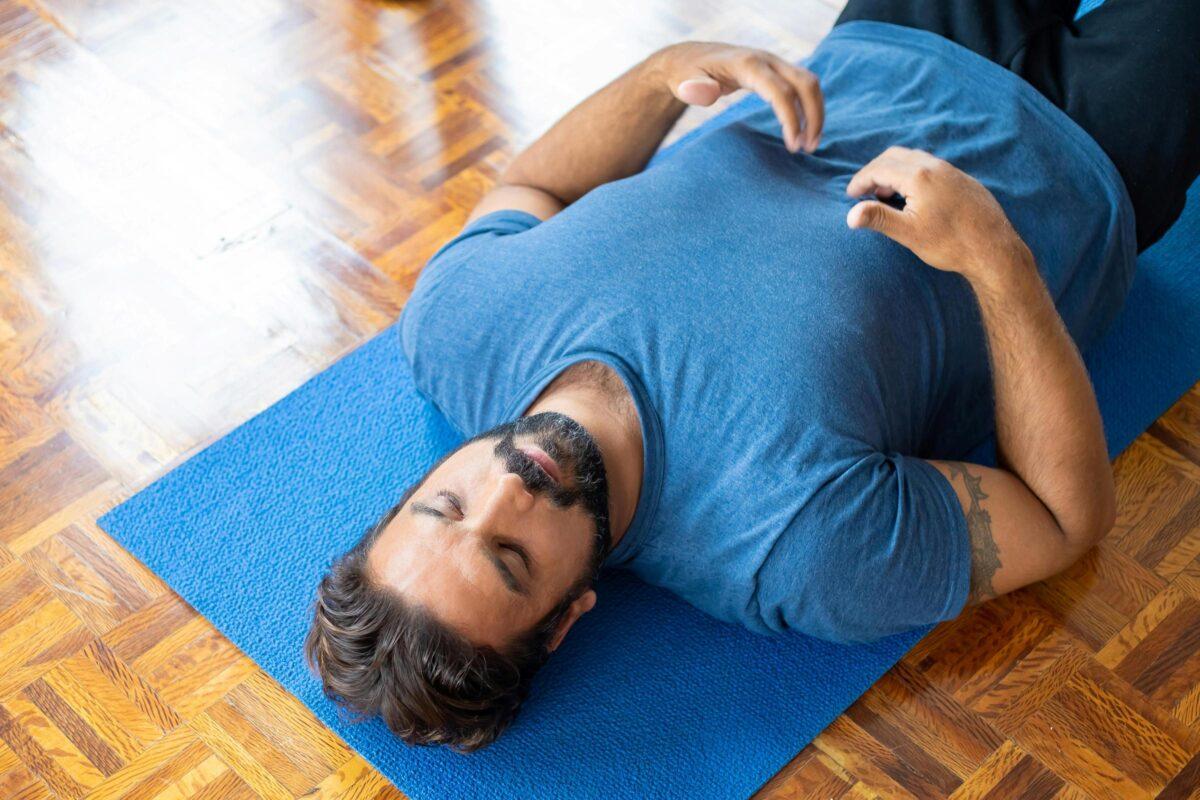
Breathing also plays an important role in other conditions:
- Diaphragm Issues: Focus on training diaphragmatic breathing.
- COPD and asthma: Breathing techniques can help control breathing.
- Stress and burnout: Conscious breathing calms the nervous system.
- Sleep Issues: Slow breathing helps you fall asleep.
At the Klosterhof – Alpine Hideaway & Spa, this medical-therapeutic approach is practiced. Dr. Andreas Färber, M.D., the host, has integrated a medical wellness center into the hotel. Breathing exercises are part of the hotel’s holistic wellness concept, which combines exercise, nutrition, and modern diagnostics.
Boasting a virtually secluded location in the heart of the Berchtesgadener Land region, the hotel in Bayerisch Gmain also has a large spa area. Perfect conditions for relaxation. The activity program offers various options, including mindfulness coaching with breathing exercises.
Breathwork in Yoga: Between tradition and modern practice
Many modern breathwork techniques originate from yoga. In yoga, pranayama, the practice of breath control, is a central element that connects the body and mind.
Even today, breathwork plays a significant role in yoga. Ralph Skuban is one of the best-known experts in the German-speaking world. He describes breathwork as a bridge between modern science and a practice that is thousands of years old.
This isn’t just about relaxation, but also about:
- Energy flow
- Concentration
- Inner clarity
Dive Deep: Breathwork at Hotel Bella Vista Zermatt
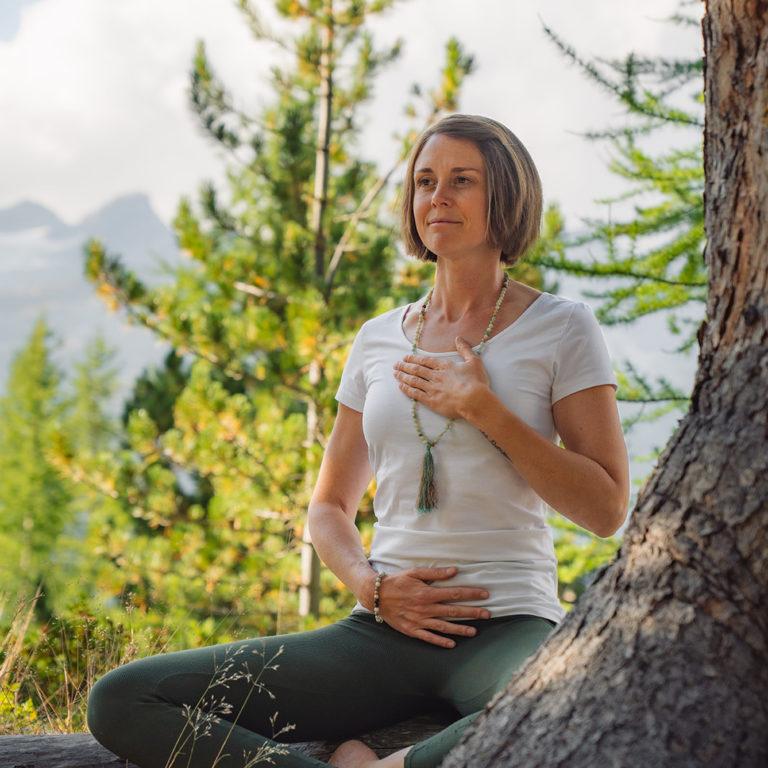
If you’d like to experience breathwork in depth combined with yoga, the Hotel Bella Vista Zermatt is the perfect place for you. Stefanie Arquint will guide you through her sessions while you enjoy the view of the Matterhorn. She combines traditional breathwork with meditation and personal inner processes.
For her, breathing is a gateway to deeper levels:
“Focusing on your breath allows you to connect with yourself in a new, deeper way.” – Stefanie Arquint
In addition to in-depth practice, she also teaches techniques that are perfectly suited for everyday life. The course offerings include “Sleep Better & Relax More Easily” and “Breathe More Freely & Feel Better.”
- You’ll find the breathwork sessions on the website
- In addition, the Hotel Bella Vista Zermatt regularly offers retreats featuring yoga and breathwork
Breathwork for relaxation
Breathing exercises are not all spiritual, medical, or deeply focused on inner processes. Many people simply want a way to relieve stress and reconnect with themselves.
At My Arbor in South Tyrol, you can begin your day with calmness and focus through guided breathing sessions. Built high up on stilts in the middle of the forest, this sustainable wellness hotel on the Plose offers a fantastic setting for breathwork. Forest bathing is also part of the weekly program.
And at the Hotel Das Rübezahl in the Allgäu, breathwork is intentionally made accessible to everyone. It’s part of yoga and relaxation retreats “without any esoteric overtones,” as the hosts emphasize. Instead, guests can enjoy plenty of nature and sweeping views of the Alps and Neuschwanstein Castle.
Breathwork in Sports: The Wim Hof Method
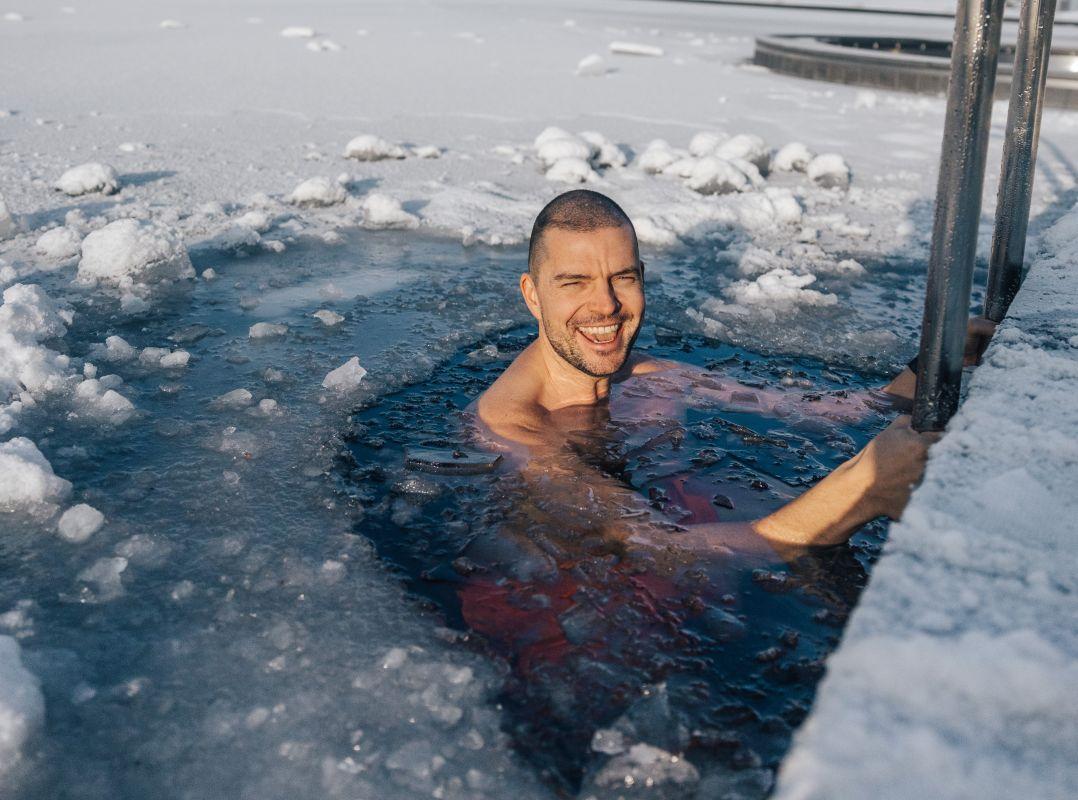
An alternative approach is the more active form of breathing exercises, such as those used in the Wim Hof Method. At the Stanglwirt Organic and Wellness Resort in Tyrol, these exercises are used with ice baths, among other things.
The Wim Hof Method consists of three pillars: 1. Controlled hyperventilation (30 to 40 deep breaths), 2. Holding your breath after exhaling, and 3. Recovery breathing.
This type of breathing is said to prepare the body for stressors, increase cold tolerance, and build mental strength.
The Stanglwirt Organic and Wellness Resort is also very family-friendly and offers highly competent childcare for all age groups. It’s a great choice if you need time to “take a deep breath” amidst the hustle and bustle of family life, for targeted training, or for peace and quiet in the fabulous 12,000 m² wellness area.
- Here, you can see the courses offered by the Stanglwirt.
And there’s more: Transformational Breath & Co.
In addition to these approaches, there are other forms of breathwork, such as:
- Transformational Breath: An intensive breathwork practice for emotional processing with esoteric elements.
- Holotropic Breathwork: A profound, “mind-altering” practice with esoteric influences.
- Connected Breath: Continuous breathing without pauses.
These methods often go beyond simple relaxation. I won’t go into further detail here, but just so you know, breathwork is a vast field!
Bottom line: Your breath can do more than you think
Breathwork is incredibly versatile, whether for medical, relaxation, or transformative purposes. And your next vacation could be the perfect opportunity to learn one or two techniques. After all, you always have your breath with you! 🙂
Save this article on Pinterest

 Loading...