
Asking questions can expand your knowledge and make you appear more knowledgeable, thoughtful, and interested. Good questions demonstrate that you’re thinking critically and recognizing connections rather than passively consuming information. Sometimes, they can even spark real change. So for your next trip, you might want to not only memorize “hello,” “please,” and “thank you” in the local language, but also come up with a few thoughtful questions.
A survey of the Green Pearls® network revealed the most frequently asked questions while on vacation
The Green Pearls® network consists of unique hotels, many of which are family-run, that are committed to sustainability. We asked them: What questions do guests actually ask?
The result? One hundred percent of hotels confirmed that their guests ask a lot of questions. One could say that asking questions is part of the eco-traveler’s identity.
Ana from Korinjak in Croatia sums it up:
Guests who consciously choose a sustainable hotel often ask thoughtful questions—and that’s exactly what we welcome. Transparency is part of our responsibility. – Hotel Korinjak
But not all questions are created equal. We’ll tell you which questions are frequently asked, which are based on critical thinking (the Socratic method), and which can spark new ideas.
What are the most common questions people ask at hotels?
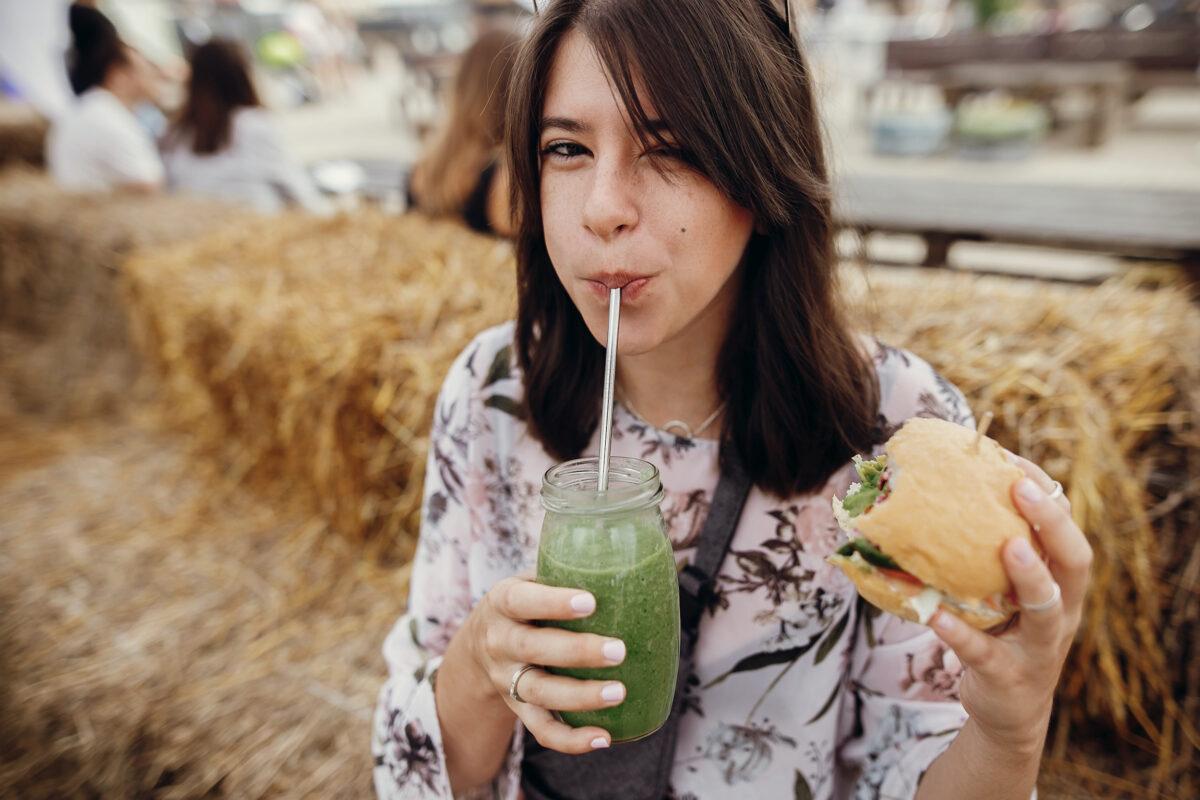
How are you? What are the reception hours? What time is breakfast served? Just kidding! That’s not what this is about. This is about the real questions—the ones that show genuine interest and make you memorable.
Our survey shows that food is clearly the number one topic. Nearly all hotels report that guests often inquire about the source of their products.
#1: “Where does your food come from?”
Guests want to be sure that products are truly locally sourced or fair trade. Green Pearls® hosts know that guests particularly appreciate it when products are locally sourced and the producer is clearly identified.
Questions like these have already brought about significant changes. For example, most sustainable hotels and vacation rentals no longer serve tropical fruits. However, you’ll often find small signs with explanations at the breakfast buffet.
This leads to fundamental questions about sustainability:
#2: “What does sustainability mean to you, specifically?”
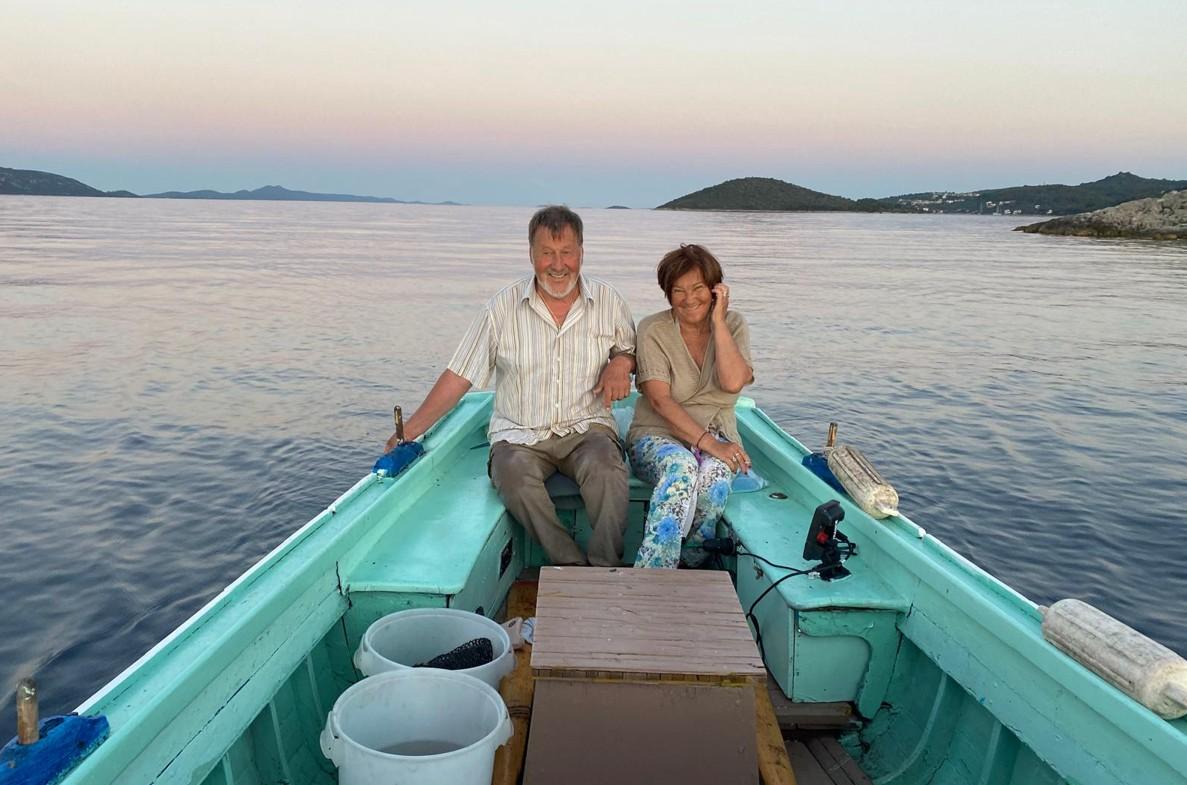
This is about the big picture: processes, philosophy, and the difference between real action and marketing. It’s a question that calls for critical thinking and the Socratic method. Socratic questions cannot be answered with a simple “yes” or “no” and lead to deeper insights.
The answers you get to this question might look something like this:
- SCHWARZWALD PANORAMA: “For us, sustainability means acting in an environmentally, socially, and economically responsible manner. This includes organic and locally sourced food, fair working conditions, resource conservation, and nature protection around our hotel—without compromising comfort.”
- Hotel Korinjak: “For us, sustainability isn’t just one measure—it’s a way of life. This includes offering vegetarian cuisine, using water and energy mindfully, streamlining operations, fostering long-term relationships with employees, and partnering with local suppliers. Since we’re located on an island with limited resources, careful planning and restraint are second nature to us.”
A good follow-up question would be:
„Which of these measures has the greatest impact?“
Or:
„Which of these is the most difficult for you to put into practice?“
Questions like these take the conversation a step further. They demonstrate both interest and critical thinking, setting small talk apart from smart talk.
The conversation becomes even more impactful when you build on the answer:
„Does that mean you made a conscious decision to avoid certain things?“
„And how has that changed over time?“
By the way, these are called follow-up questions. They’re one of the most effective ways to deepen a conversation. They demonstrate that you’re actively listening and picking up on nuances.
Ask these three questions to make a good impression at eco-friendly hotels
Now that you know the classics, you understand how to dig deeper by asking thoughtful follow-up questions. But which questions will really take you to the next level?
Here are three questions hoteliers wish someone would ask them—questions that will stick with them and make them think:
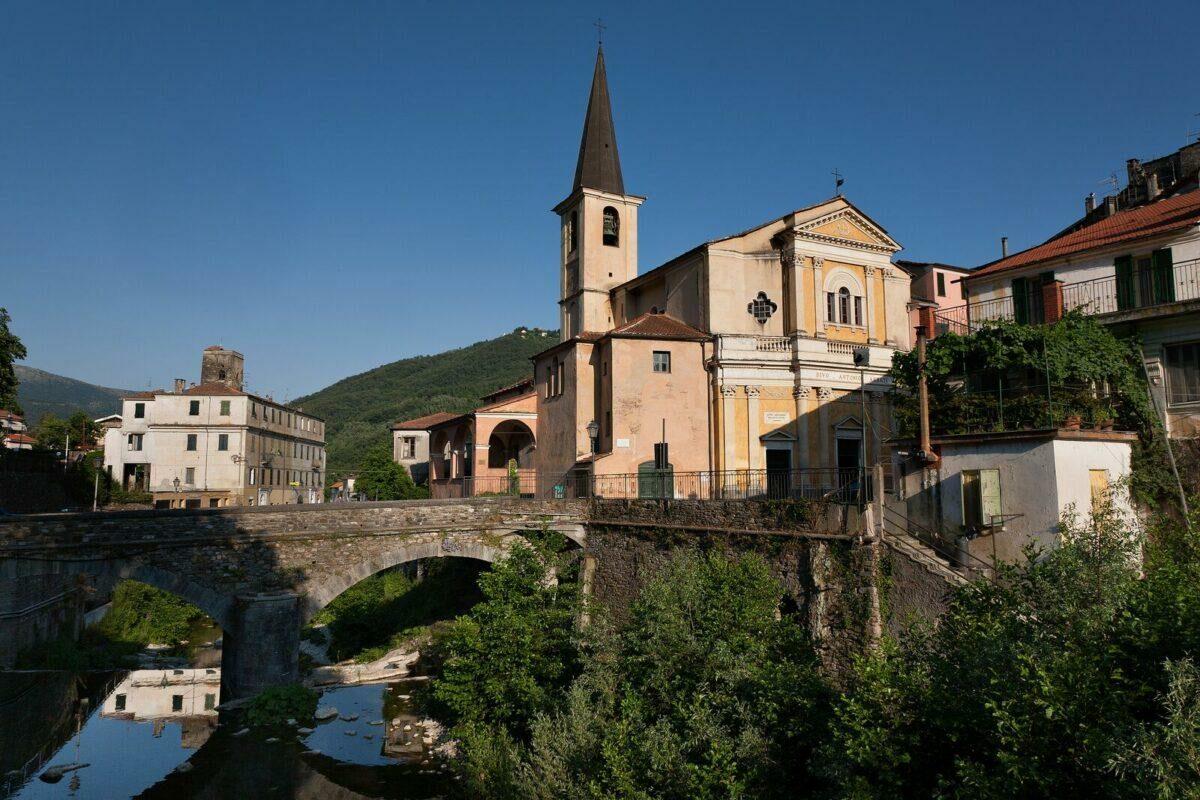
#1 “How does your hotel contribute to the (economic) situation of the town?” or “How does your house influence your hometown?”
Martina Dellarbar from Relais del Maro would love to be asked this question. The Albergo Diffuso in Borgomaro, Italy, has achieved remarkable results in this regard. One could even say that it has “saved the village” and prevented its residents from leaving for the city.
#2 „Is your approach to management even economically viable?”
It’s an unusual question for guests, but one that deeply touches the hosts. Johann Steinwender of Schloss Lerchenhof says it’s touching when guests worry that the family’s Austrian castle in Carinthia, which they’ve transformed into a Slow Food boutique hotel, might focus too much on the environment and not enough on profit.
#3 „What is your personal passion project when it comes to sustainability“
Not all sustainable measures have the same impact. Some are technical or even invisible, such as energy supply and insulation. Others evoke emotion and hold fascinating stories waiting to be told. Paul Rinner, the senior manager of the APIPURA hotel rinner, for example, is a passionate beekeeper who enjoys talking about his organic honey, beehives, life as a migratory beekeeper, and the special Api-Wellness program.
At the Naturhotel Outside, senior chef Sepp Ganzer makes his own syrups, which are often praised by guests (which, of course, always makes him happy). The family is also very proud to operate a natural pool completely free of chemicals. They’d be happy to explain how that’s possible.
In other words: By asking about their passion project, you can find out what topics your hosts are personally interested in and (if you’d like) spark some great conversations.
Ask questions in a clever way

Not only what you ask, but also how you ask it makes a difference. You might intend to show interest, but it could be perceived as criticism.
At the Paradiso Pure.Living Vegan Hotel in Alpe di Siusi and the LA VIMEA Vegan Hotel in Natories, both in South Tyrol, guests often ask why the same menu is served to everyone.
However, it’s not entirely clear what you mean by “Why is the menu the same for everyone?” Are you asking this question positively, out of genuine curiosity, or to make a subtle criticism?
Another way to phrase it would be:
„What is the idea behind the set menu?“
Or:
„Does this also relate to your sustainability strategy?“
This is how you start a conversation and express interest. If you’re offering criticism, which is legitimate, it’s better to be specific. For example, you could say: “Could I get something without mushrooms instead of this mushroom dish?” This way, the team can find a solution right away rather than leaving the kitchen staff in the dark with a vague “I’d like more options.” (Ask for what you want!)
By the way, the two vegan hotels under Aggeliki Charami’s culinary direction offer only one dish because some vegan fine-dining dishes take several days to prepare and are very exquisite. This helps avoid food waste.
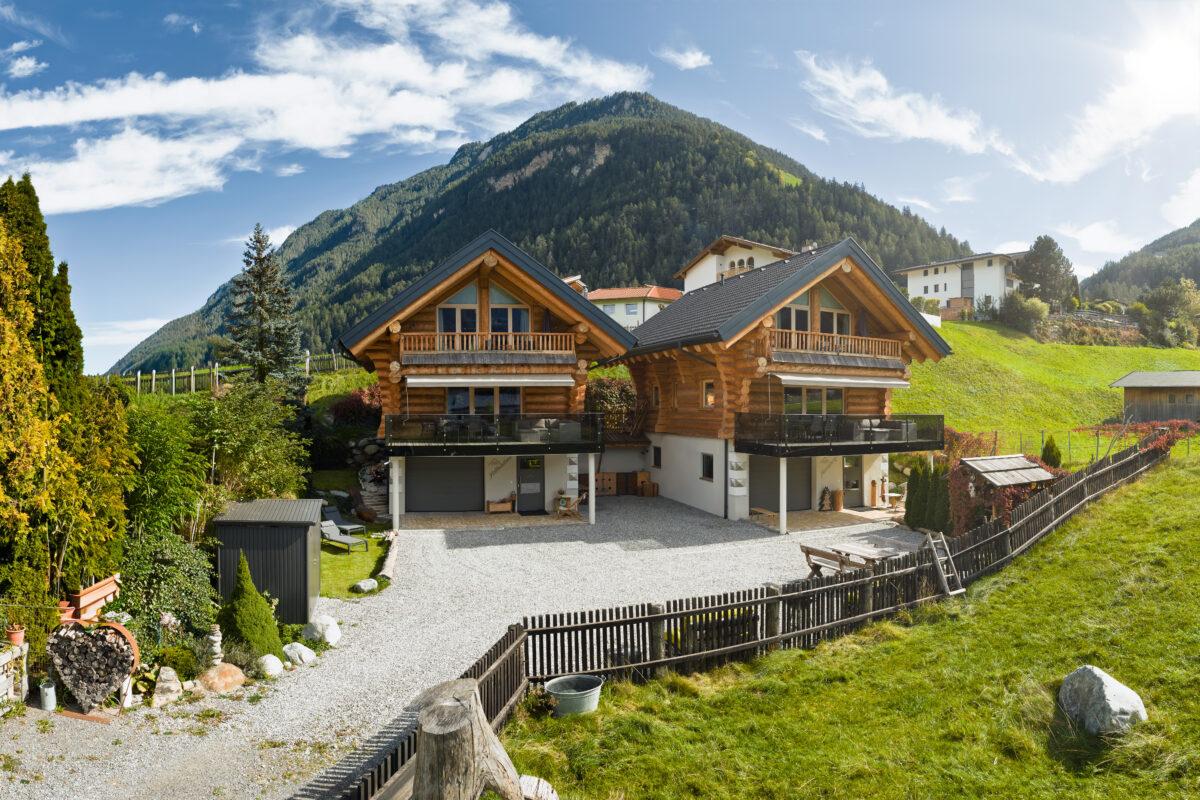
A similar situation exists at the Summit Lodges Pfunds, where Marco Spiess built two log cabins as sustainable vacation homes in the Tyrolean Oberland. He often hears:
„Why did you decide on a log cabin instead of a traditional construction with red bricks?“
At first glance, this sounds neutral, but it can also imply something else. What’s wrong with the other option? Or, “I miss the red bricks.”
If you want your question to be open-ended, it would be better to say:
„What specifically appealed to you about building with natural logs?“
Or:
„What benefits do you see in a log home—including in terms of sustainability?“
Start conversations with questions

The difference between a question and a statement is that a question leads to an answer. For example, Marion Muller from SANDnature in Timmendorfer Strand on the Baltic Sea reports that guests often ask about the COCO-MAT pillows.
If you want to compliment them, you would say:
“By the way, I slept really well. The pillows were so comfortable!”
Some specific questions might be:
“What is the name of this pillow model? Is it available for purchase?”
If you want to start a conversation, you could ask:
“What makes your pillows special?“
„Does that also play a role in your sustainability strategy?“
This way, a simple topic suddenly becomes a gateway to something bigger.
SANDnature considers health aspects and takes a holistic approach to better sleep when it comes to their pillows.
The impact your questions might have
You might be thinking, “Isn’t that a bit much for a vacation?” Good question 🙂 But the opposite is actually true. Questions show interest. And with interest, you can make a difference:
- Hotels are taking note of what matters to guests.
Sustainable measures and decisions are becoming more visible and are being valued.
New ideas emerge through conversation.
Many hosts want that, too. After all, sustainable tourism relies on exchange.
It’s also great that many guests ask hoteliers how they can get involved in sustainability. This way, you can join forces and become allies!
Save this article on Pinterest.


 Loading...