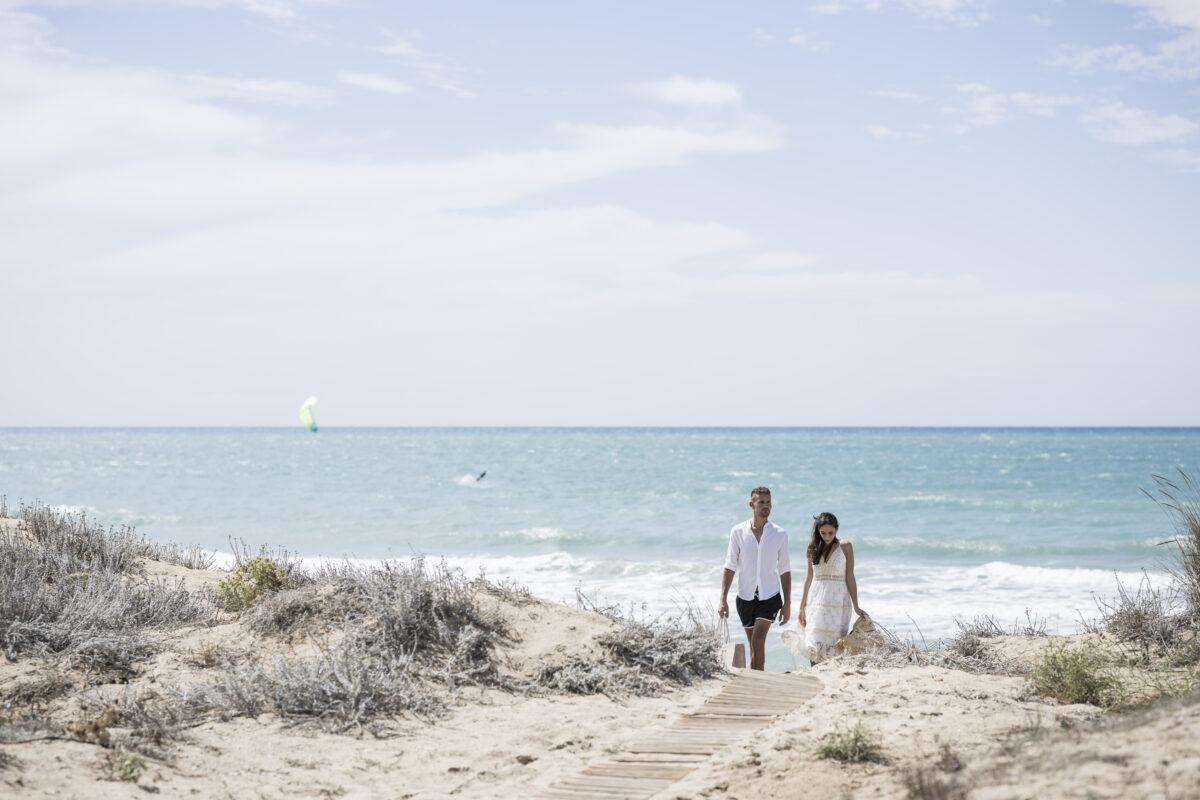
Southern Italy and Sicily offers a different atmosphere than the North. It is warmer, more wild and simply more casual. The tip of the boot is renowned for its active volcanoes. A natural force that you can experience in different ways. In the third blog post in our little Italy series, you get an introduction to volcano hiking and vacationing on naturally protected sandy beaches. In addition, we take a look at the sustainability situation in southern Italy. We talk about fish, solar projects and sustainable accommodation.
Green Travel Guide, Italy
Sustainable Destination, South Tyrol
Sustainable travel in Liguria, Lombardy, and Friuli.
You are here: Sustainable Travel in Southern Italy and Sicily
Southern Italy Volcanoes
Italy boasts several active volcanoes. This means magma from the earth’s interior is rising to the surface here. There’s smoke, fire, lava, volcanic rock—in short, a fantastic destination for adventure excursions! If you are into hiking and trekking, Italy’s volcanoes are among the highlights in Europe.
Volcanoes can be very dangerous. So, before you travel, it’s best to take a look at the Foreign Office’s safety assessment. The current status is:
- The Phlegraean Fields (about 20 km west of Vesuvius in Campania) are classified as a “supervolcano.” That is, there is a huge mass of magma bubbling beneath the surface. The Phlegraean Fields have a high level of volcanic activity and, according to the State Department, changes may result in evacuation measures.
- Mount Vesuvius in Campania (about 20 km from Naples) last erupted in 1944. It is being monitored, but is not currently considered dangerous.
- Mount Etna is the most active volcano in all of Europe. It is located in Sicily. According to the Foreign Office, slight eruptions may cause interruptions in air traffic.
- Stromboli on the island of Stromboli (near Sicily) is also active and may likewise affect air traffic.
Vesuvius and Pompeii—it’s all about tourism
There are various ways to explore Italy’s volcanoes. A trip to the crater of Vesuvius organized by tour operators. There are special buses from Naples, Pompeii and Ercolano that can take you there. From the parking lot, you walk a short distance (900 meters) and then pay about 10 euros for a guided tour with information about the crater. (For the stay, you should plan about one and a half hours).
As an alternative, Vesuvius can also be reached on foot. There are well-marked trails for this—and on the last leg you’ll have to buy the ticket for the guided tour.
Time travel in Pompeii
I can highly recommend a visit to Pompeii. It’s simply fascinating to see a Roman city that was left at a standstill by an eruption of Mount Vesuvius about 2,000 years ago. What impresses me most is that people used to be the same as they are today.
In 2020, a new street snack bar was excavated—colorful pictures praise the food there (rooster on the spit, for example) and a few fun people left graffiti. Moreover, the lovers of the bakery are just totally exciting, as you can read in this article about the confident woman and her handsome husband
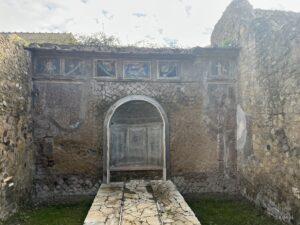
Herculaneum—the slightly less touristy alternative to Pompeii.
Stefany from Green Pearls® decided against visiting Pompeii on her 2023 Campania trip and visited the less touristy Herculaneum. You can find her travelogue in the blog post Insider Tip, Campania in Winter.
By the way, the area around Mount Vesuvius is a national park. In Italian, it is called Parco Nazionale del Vesuvio.
Sustainable vacation accommodation in southern Italy
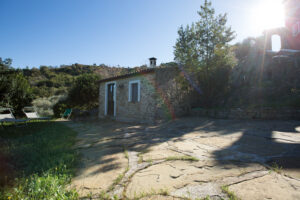
If you’re looking for sustainable vacation accommodation in southern Italy, we recommend our Green PearlsⓇpartner A Cràpa Mangia, a lovingly renovated country estate with nine vacation apartments and ecological awareness. All apartments have a terrace overlooking the sea.
If you’d like to take a peek inside A Crápa Mangia and learn more about the history of the estate, refer to our second blog post on Campania! Moreover, here are more destinations you should have seen in Southern Italy (besides Vesuvius).
Sicily – Pristine Mountains, Sea, and Lemons
The Italian Mediterranean island of Sicily is about 90 percent hilly, green, warm in summer (up to 40 °C) and still pleasant for swimming in spring and autumn. If you are planning a vacation that includes swimming and hiking, Sicily is the perfect spot to combine the two!
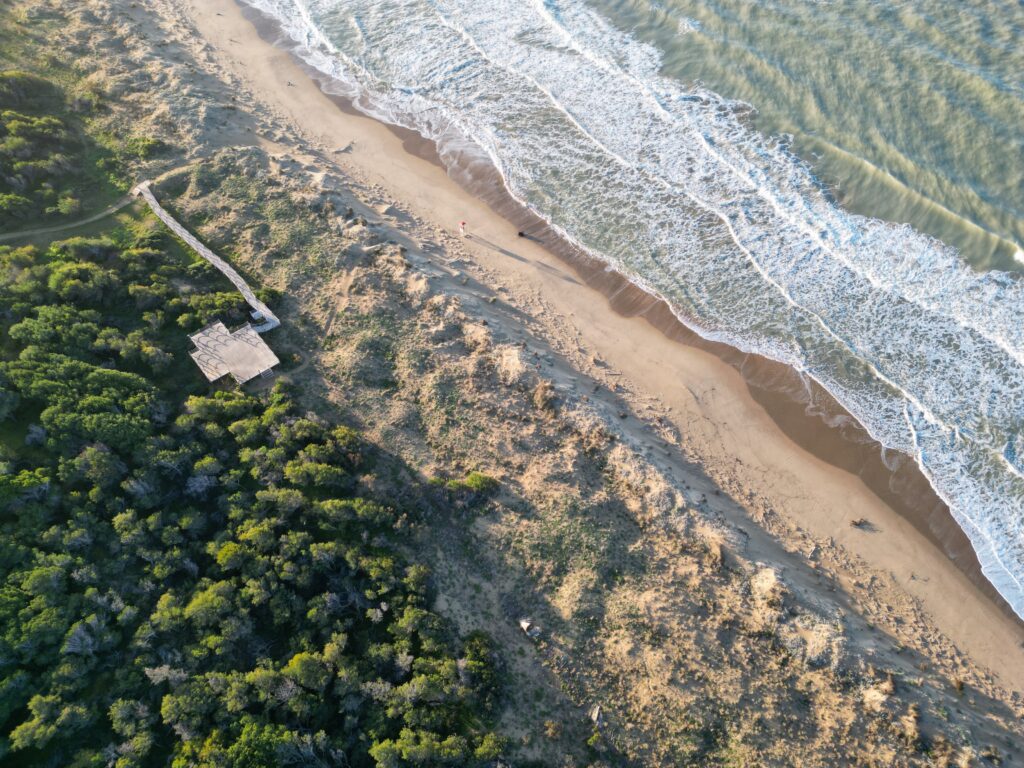
In the nature reserve Riserva Torre Salsa you can find the most beautiful beaches
The miles of sandy beaches on the southwest coast of Sicily are considered by many to be the most beautiful beaches on the island—pristine, wild and super romantic! The beaches are protected and if you take a boat, you can do some wonderful snorkeling off the coast and see lots of colorful fish and maybe even turtles.
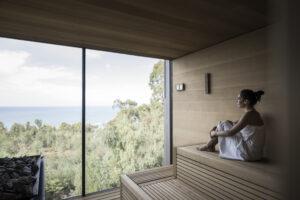
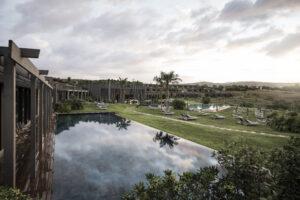
The ADLER Spa Resort SICILIA is also located right here. This Green Pearls® hotel is located right by the sea and is surrounded by orange, lemon and olive trees. A highlight of the newly built resort is the spacious spa area. Not only there, care was taken to use mainly materials from the region. These include lava stone and terracruda. Terracruda is the red volcanic earth from Etna and is suitable for plastering the walls. Furthermore, volcanic earth is also used in wellness treatments.
Tip: you can use volcanic earth as a natural skin peeling—justcollect it and test it on the beach!
Like the other ADLER resorts, Sicily also makes sure that the food comes directly from the surrounding area according to the “fork-to-table” concept—the oranges for the freshly squeezed orange juice grow right in front of the hotel. In addition, ADLER Spa Resort SICILIA cultivates its small fields according to the principle of organic farming.
Attention fish: Even if the fish comes directly from the small fisheries, fishing in the Mediterranean lacks a common, sustainable concept. The Mediterranean stock of fish has declined sharply lately due to overfishing. In Sicily, a Marine Stewardship Council project just started in 2019, where Sicilian fishermen can have their fish certified with the BluFisch seal. For one thing, this involves fishing methods that avoid bycatch of other marine animals and the fishing of young fish. The goals also include measuring the fish population and the extent of fishing—soit’s still pretty early days!
Etna—Hikingthrough bizarre landscapes
On the western side of Sicily lies Mount Etna. This is not only the most renowned, but also the largest volcano of Italy, with about 3,000 meters. It has been a UNESCO World Natural Heritage Site since 2013. By the way, even though it is called THE Etna, it is not a single mountain, but a whole volcanic mountain range.
There is good infrastructure and you can climb Etna in several ways. For example, you start at 1,900 meters on the south side and then hike up the scree landscape for about two hours (be careful, many loose stones!). You will meet other hikers along the way, and, of course, you can book a guide or hike with a group. But if you don’t take the gondola, you’ll feel like you’re climbing an alien planet. That is insanely exciting. You can’t really call it “beautiful” though, especially since it smells like sulfur—but you’re climbing through ash, you can see lava flows in the distance—it’s a wild and bizarre adventure!
- Be sure to bring: Solid hiking boots, a jacket (it’s cold at the top), binoculars. Whether you reach the highest heights depends on the day. If it is blustery or there is volcanic activity, the summit area will be closed off.
How to get to Sicily
If you want to reach the island in an environmentally friendly way, you can use the train and long-distance bus lines like Flixbus. Flixbus has a much better developed network. From Germany, you probably only have to change trains once (in Rome or Naples) and then get to the ferry and ship to Catania in Sicily.
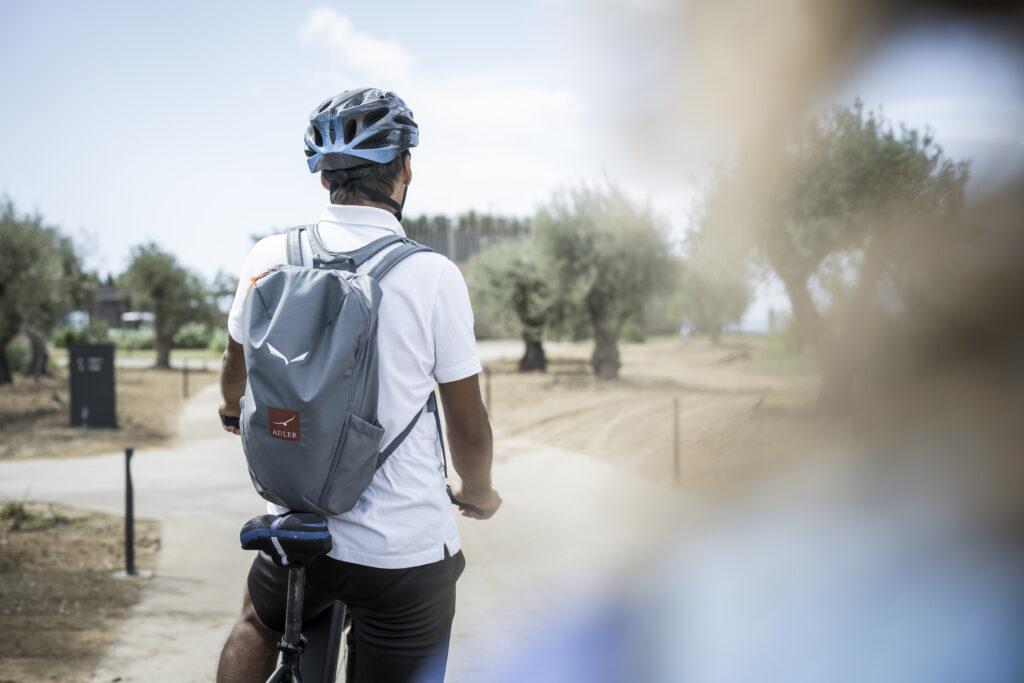
Unfortunately, the infrastructure in Sicily is not very progressive as far as public transport is concerned. There are bus lines. But no one will recommend it to you. At ADLER Spa Resort SICILIA, they offer to pick up guests from Catania. At the hotel, electric cars and hybrid cars are then available to guests for day trips.
> Quite popular is cycling on the island (the Adler also offers guided tours) and also hiking.
Sustainable travel in the south of Italy—is it possible?
After looking at sustainable travel options for Italy in this three-part blog series, you can see that Italy is in transition. While South Tyrol is leading the way in sustainability in the north, the mills are still grinding slowly in the south.
The fact that sun-drenched Sicily has such a low share of renewable energy, for example, has been criticized for decades. Now, in the summer of 2024, Europe’s largest solar panel factory is to be built in Sicily. The primary concern is economic competition with the Chinese market, but the EU is involved with financing to promote the European photovoltaic market.
So, a lot is (still) up to you to make a trip to southern Italy sustainable. You can go on your vacation more environmentally friendly with a plane-free journey, sustainable accommodation, and eating local produce.
Save this article for your next sustainable journey to southern Italy and Sicily.


 Loading...

1 thought on “Sustainable Travel in Southern Italy and Sicily (Destination Guide Italy – Part 3)”