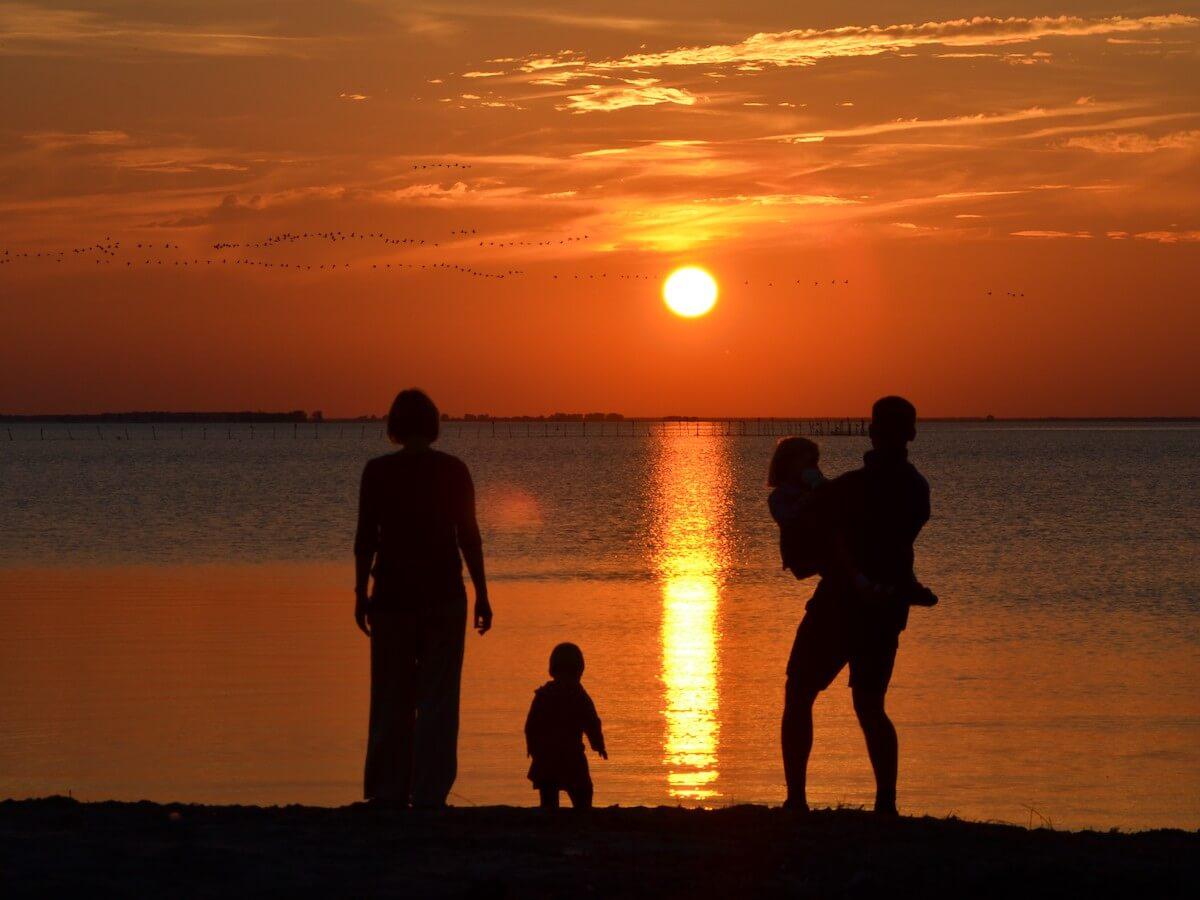
The Wadden Sea ranks among the most fascinating landscapes on Earth. Every six hours, the tides reveal a new version of the same coastline: tidal creeks emerge, mudflats glisten, the sea recedes, and you can see the waves rolling in—only for it all to start again. However, this unique ecosystem is under increasing pressure.
The IUCN World Conservation Congress in Abu Dhabi came to an end on October 15, 2025 — and with it came some worrying news: the International Union for Conservation of Nature (IUCN) no longer rates the conservation prospects of the UNESCO Wadden Sea World Heritage Site as “good,” but rather as “good, with some concerns.”
This may not sound alarming at first, but it is a clear sign. Where there were no concerns for decades, there are now. But where do they come from? What caused them? And, of course, what can we, as travelers and vacationers, do about these concerns?
Ebb, flow, and responsibility—what sets the Wadden Sea apart, and why is it in danger?
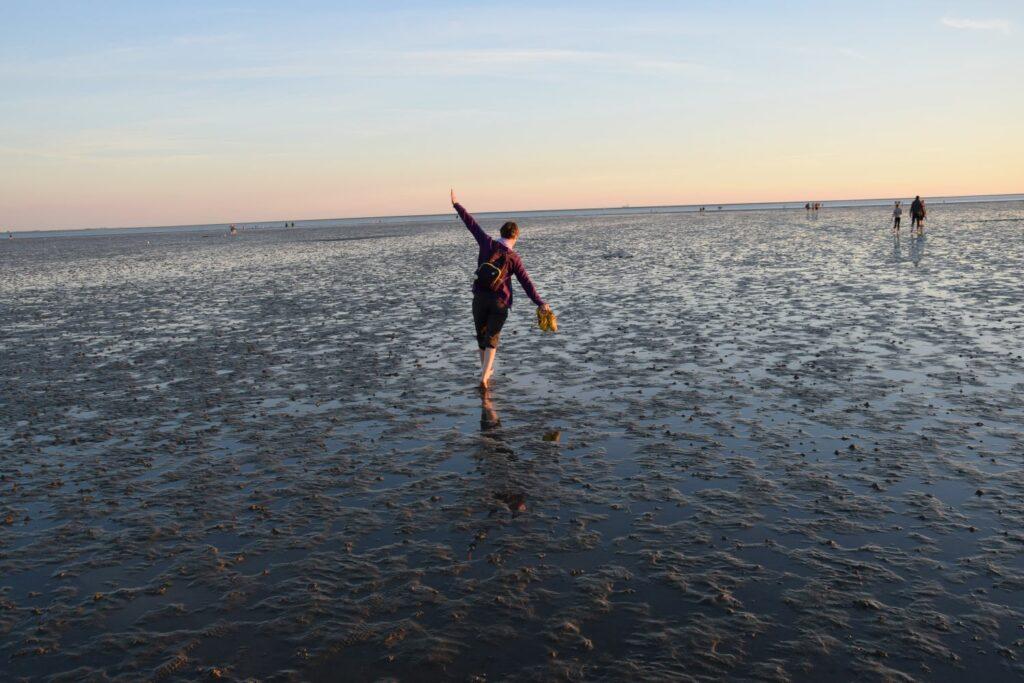
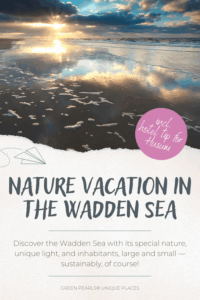
There is hardly another place in the world that changes as frequently as the Wadden Sea. Every day, the sea recedes, revealing a different world. What was once a sparkling expanse of waves becomes a vast, silvery, shimmering landscape. This natural spectacle is shaped by the tide—the alternation of ebb and flow—which makes the Wadden Sea one of the most dynamic habitats on Earth.
Anyone who has walked barefoot through the mudflats knows how alive the ground feels—it bubbles, hisses, and moves beneath your feet. Between sandbanks and small salt marshes lies a constantly changing yet ancient natural space.
Life in the Wadden Sea
The Wadden Sea UNESCO World Heritage Site stretches along the coasts of Germany, Denmark, and the Netherlands. And its mudflats are home to countless small creatures that ensure the ecosystem functions properly: mussels filter the water, worms aerate the soil, and seagrass beds provide shelter for young fish.
This abundance of small animals makes the Wadden Sea a major feeding ground for migratory birds. Around 10 to 12 million migratory birds stop here every year on their journey between the Arctic and Africa.
Whales, Dolphins, and Seals as Guests and at Home
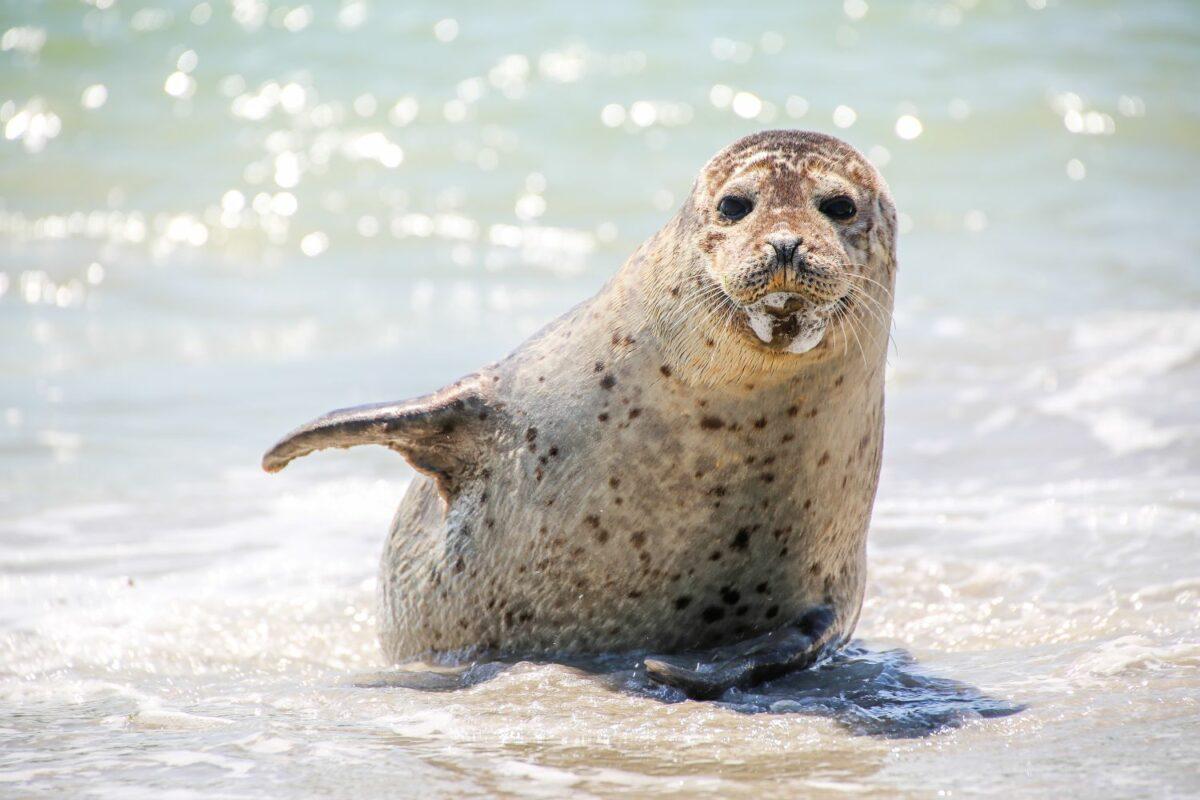
The most well-known and popular attraction, however, are undoubtedly the sandbanks filled with seals and sea lions. Should you find yourself on vacation in the North Sea, you may opt to reserve a tour that will allow you to observe the seals “relaxing on the sandbars.” Even if you’re just traveling to the islands or Halligen on a ferry, though, you should keep your eyes open. You can almost always see the animals then, too.
There are also boat tours to see porpoises and dolphins. Of course, you need a bit of luck for the little bottlenose dolphins to show up. (As you might have guessed, their numbers have declined.)
Boat tours and ferry trips allow you to see the following animals:
- porpoise or bottlenose dolphins
- white-beaked dolphins
- seals
- and gray seals
Why is the Wadden Sea in danger?
The Wadden Sea is a sensitive ecosystem. Like many others, it relies on a delicate balance that can be disrupted by external factors. Currently, it is under severe pressure from various influences. The IUCN cites several reasons for this in its latest assessment:
- Climate Change
- Chemical pollution from industry and agriculture:
- Invasive alien species (These species are entering the North Sea from the Atlantic due to rising sea temperatures.)
- Unsustainable fishing (the biggest problems are overfishing, bycatch, and bottom trawling)
- Industrial and port development (including increasing maritime traffic)
- Offshore wind farms (green energy is important in combating global warming, but this study shows that wind farms in the North Sea have negative consequences. While some birds, such as seagulls, can adapt well, the loon population has significantly declined. The authors of the study therefore call on politicians to make greater efforts to select the best possible offshore locations).
- Pressure from visitors (As a tourist, this issue directly affects you, and it should motivate you to make your vacation on the North Sea as sustainable as possible).
Climate change, pesticides, and manure – why our way of life threatens the Wadden Sea

The biggest problem for the Wadden Sea is—drumroll—climate change. According to the International Union for Conservation of Nature (IUCN), it now endangers 43 percent of all World Heritage Sites—up from 33 percent in 2020. This demonstrates how rapidly the situation is deteriorating.
Specifically for the Wadden Sea, the situation is as follows: Rising sea levels are flooding mudflats, salt marshes, and dunes. At the same time, warmer water temperatures are altering the sensitive ecosystem and the lives of the countless animal and plant species that depend on it.
How do pollutants and nutrients end up in the North Sea?
However, the Wadden Sea is also being affected by pollutants and nutrients. According to NABU, chemicals, pharmaceuticals, and pesticides enter the sea via rivers daily. In addition to industry, conventional agriculture is also a major source of pollution. Pesticides, insecticides, and fungicides are used on many fields, killing not only pests, but also important microorganisms in the water.
Another major issue is manure from conventional animal husbandry. It contains residues of veterinary drugs and large amounts of nitrogen, which enter the North Sea through soil and rivers. This leads to the overfertilization of the sea, causing algae to grow excessively and light and oxygen to become scarce. The result is that valuable habitats, such as seagrass beds—important CO₂ reservoirs and nurseries for many fish—are dying off.
How to travel in a way that’s friendly to the Wadden Sea
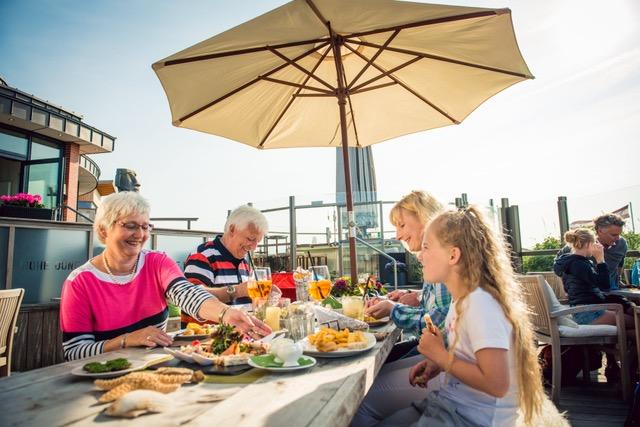
In the section titled “Why the Wadden Sea is Endangered,” you can learn about the various risks that threaten this delicate ecosystem. While politics and industry are primarily responsible, each one of us can take action, both while traveling and at home. Even small changes can have a significant impact.
Eat and shop consciously
- Reduce meat consumption and, if possible, buy organic food. According to NABU, around 80% of nitrogen and 45% of phosphate inputs in the North Sea and Baltic Sea come from intensive agriculture. Less meat means less manure—and thus fewer nutrients ending up in the sea.
- Avoid fish from intensive aquaculture. These farming methods release chemicals, food residues, and antibiotics into the sea. If you’re vacationing on the North Sea, you should also avoid delicacies such as eel. Eels are threatened with extinction! The WWF criticizes bycatch of many other North Sea marine animals, including the North Sea crab. We recommend taking a look at the WWF fish guide before your vacation.
Be mindful in the household
- Look for detergents and dishwasher tablets with the “Blue Angel” logo. They contain little or no phosphate.
- Do not use fabric softener. They contain chemicals and surfactants that are difficult for sewage treatment plants to filter out.
- Dispose of medicines properly. Never pour them down the toilet, sink, or drain. Otherwise, a large proportion of the medicine will end up in the sea. Instead, dispose of them in the residual waste bin or return them to the pharmacy.
Naturally working the garden
- Fertilize organically and only when necessary. Use your own compost instead of chemical fertilizers. With around 17 million gardens in Germany alone, this approach can make a real difference.
Travel and stay sustainably
- Avoid air travel, especially for short distances. Trains and long-distance buses are more climate-friendly alternatives.
- Stay in sustainable accommodations that conserve resources and use regional products. Look for places that pay attention to environmental compatibility, such as the Green Pearls® Hotel SANDglow in Husum.
- Avoid plastic and microplastics. Even small steps, such as using reusable water bottles or solid shampoos, can help reduce plastic waste. Read our tips on reducing microplastics in everyday life and traveling without plastic.
Raise awareness
- Talk to your friends and family about how nutrients and pollutants are damaging our oceans and what everyone can do to help. Education is an important first step toward protecting the Wadden Sea.
- Protect shore and coastal plants. Be careful when boating, anchoring, or walking on dunes or in areas with reeds or seagrass—they protect the seabed and filter nutrients. It’s best to go on a tour of the Wadden Sea with professional guides.
A sustainable vacation on the North Sea coast
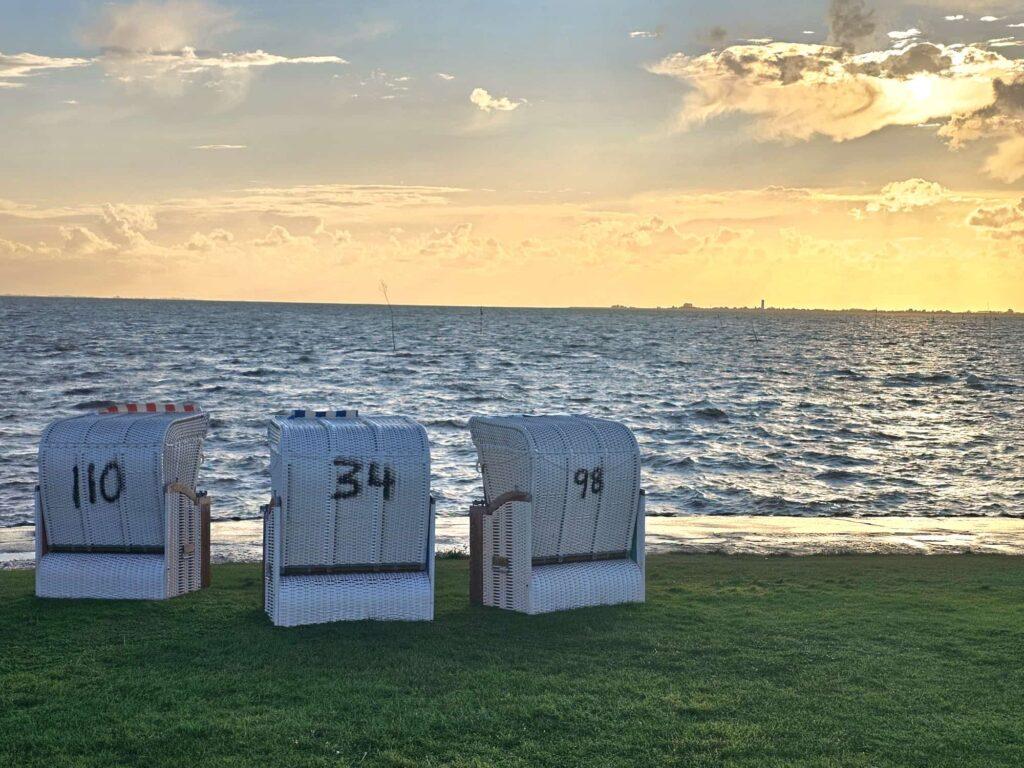
Do you want to experience this unique World Heritage Site for yourself? See the endless expanse, feel the North Sea wind on your skin, walk barefoot through the mudflats, dig up lugworms (with a guide, of course!), and watch seabirds and seals? Here are our tips on how to enjoy a sustainable North Sea vacation.
Your vacation destination: The sleepy, romantic town of Husum
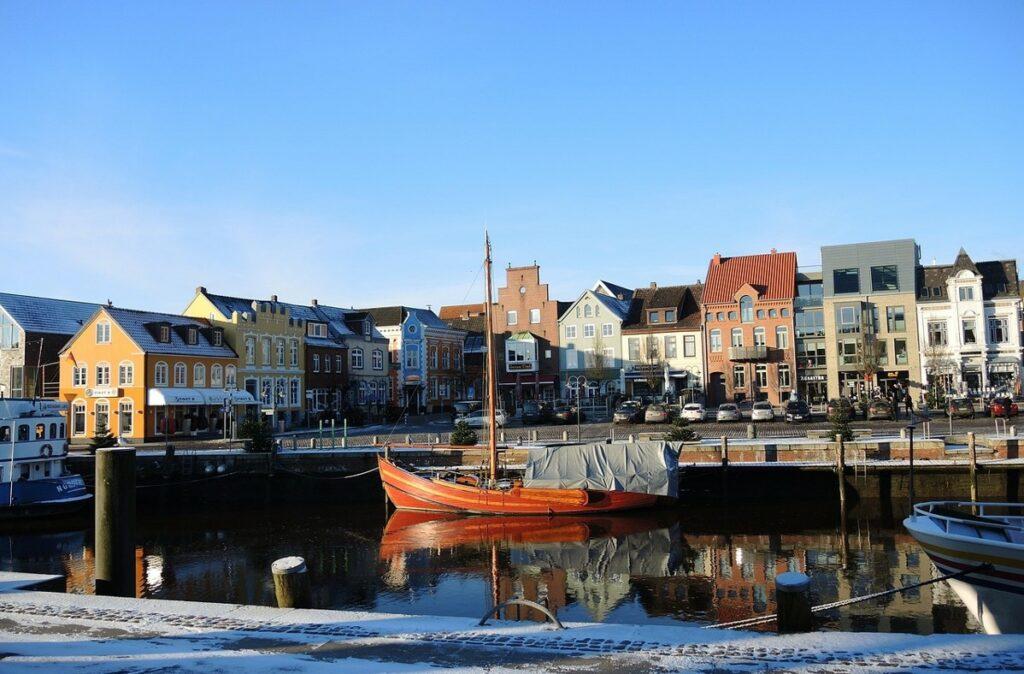
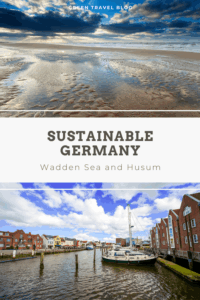
We recommend visiting Husum, a charming port town that has retained its unique North Frisian character and is not yet overrun by tourists. With its pretty little shops, cozy cafés, and historic inland port with a promenade, Husum is the perfect place to relax and experience the North German way of life.
Theodor Storm, a famous writer, lived and worked in Husum. (You might want to pack The Rider on the White Horse in your vacation reading)
Although the city is somewhat away from the open North Sea, it is connected to it by the harbor, so you can experience the tides here as well.
Husum is easily accessible from all over Europe by train via Hamburg. From the train station, it’s just a short, wheeled-suitcase-friendly walk to your destination: the Green Pearls® and Lifestyle Hotel SANDglow.
Your hotel: SANDglow – sustainable lifestyle on the North Sea coast
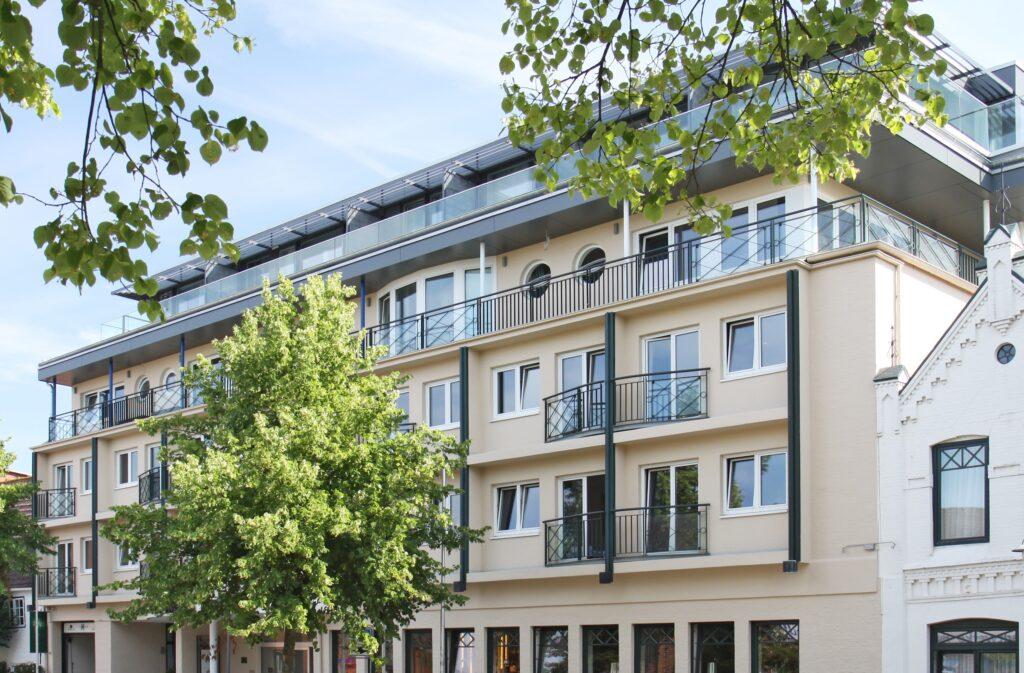

In the heart of Husum, just steps from the harbor, you will find the boutique hotel SANDglow—a place where Nordic serenity meets modern design. This adults-only hotel (ages 16 and up) embodies a conscious lifestyle, relaxation, and a sustainable philosophy based on the Sustainable Development Goals (SDGs).
The individually designed rooms and suites feature warm colors and a soft glow. After a day at the sea, unwind in the spa area or sauna, which is heated with green electricity. If you feel like getting some exercise, rent a bamboo e-bike from myBoo and explore the surrounding area sustainably.
Wadden Sea guided tours from the Husum National Park House
The National Park House Husum is almost at the doorstep. Guided tours of the Wadden Sea begin here daily, offering the perfect opportunity to witness this captivating natural wonder firsthand and learn about it from experts.
Once you’ve experienced the Wadden Sea for yourself, you’ll love it even more and be even more committed to protecting it!
Save this blog article about the Wadden Sea on Pinterest!

 Loading...