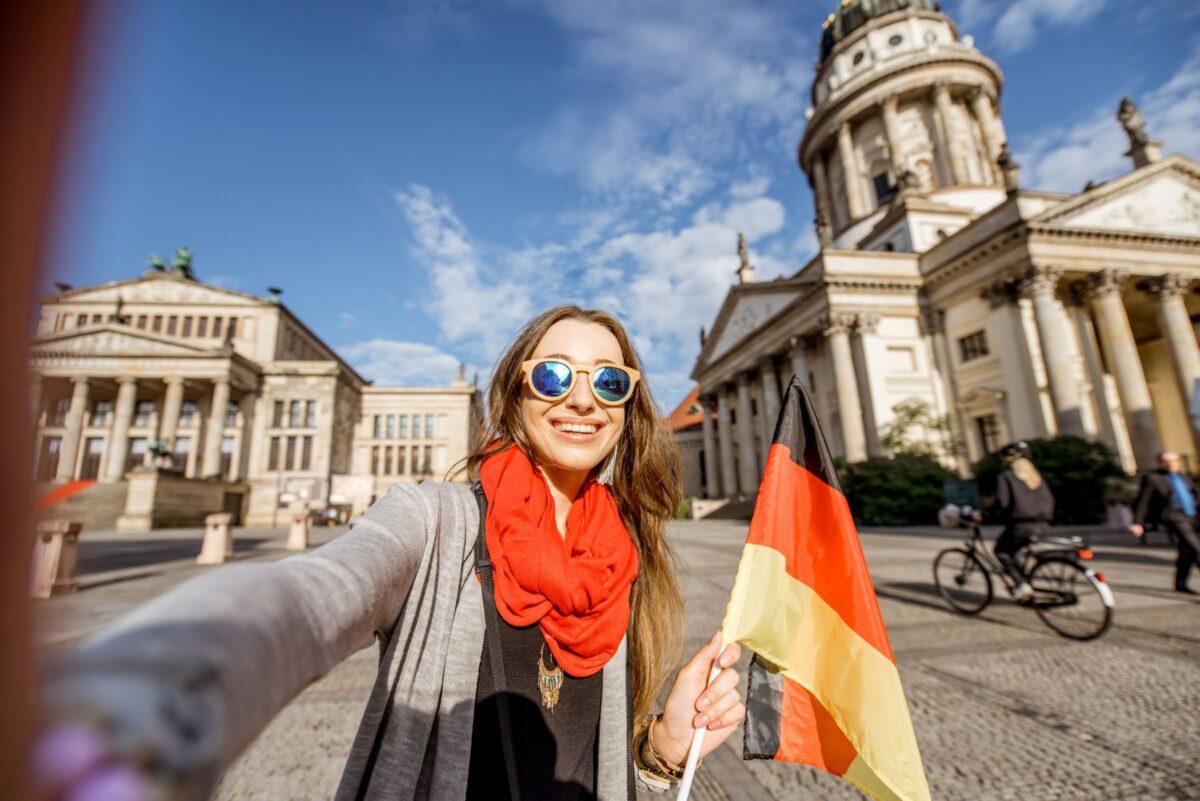
A vacation in Germany? It’s seriously underrated. From the Wadden Sea to the Alps, you’ll find breathtaking nature, charming regions, and plenty of opportunities for sustainable travel. And the best part? You can easily reach many of these destinations by train.
This article shows you:
- a selection of 7 travel regions in Germany that offer conditions for more environmentally conscious tourism and highlight local sustainability initiatives
- accommodation options that, according to their own information, implement resource-saving measures (e.g. energy efficiency, regional sourcing, or environmental certifications)
- options for lower-emission travel and mobility, such as rail connections, public transport, or cycling infrastructure
- aspects related to nature conservation and biodiversity that are relevant in the respective regions
- practical tips on how small changes in travel behavior can help reduce environmental impact
Travel destinations in Germany with a focus on sustainability
#1 Wadden Sea – ideal for families with children
The German side of the Wadden Sea is one of Germany’s most unique regions. This UNESCO World Natural Heritage Site is a true natural wonder (though it is already suffering from the effects of climate change, as we explore in detail in this blog post “The Wadden Sea in Danger?”).
The tides are fascinating. Twice a day, the North Sea recedes at low tide, exposing the seabed. A few hours later, the sea floods the area again. You can take advantage of this time to go on a guided tour of the mudflats. The tour involves wading through the mud in rubber boots and digging up crabs, mussels, worms, and other sea creatures, as well as birdwatching. The Wadden Sea is actually a vast feeding ground for migratory birds. This activity is enjoyable for all ages. But most of all, it’s fun for children. Therefore, we highly recommend the Wadden Sea as a vacation destination for families.
Important: Always go on mudflat hikes with experienced guides. They know the tides and the dangers of the incoming tide, so you can enjoy the excursion without worry. The guides will also explain the unique flora and fauna of this one-of-a-kind ecosystem.
Car-free Juist Island in the Wadden Sea – Ideal for Families with Children
The East Frisian island of Juist aims to be climate-neutral by 2030. The best way to reach the island is by train. From the Norddeich Mole train station, it’s just a short walk to the Frisia ferry terminal. Since cars are not allowed on the island, visitors can relax, even those with small children!
Overview: Juist
- Best time to visit: June to September
- Sustainability: The Wadden Sea region (Denmark, Germany, and the Netherlands) has agreed on a joint climate goal and aims to be carbon-neutral by 2030.
- Siegel: UNESCO World Natural Heritage Site
Things to do:
- Rent a beach chair
- Bring a bike or handcart (allowed on the ferry)
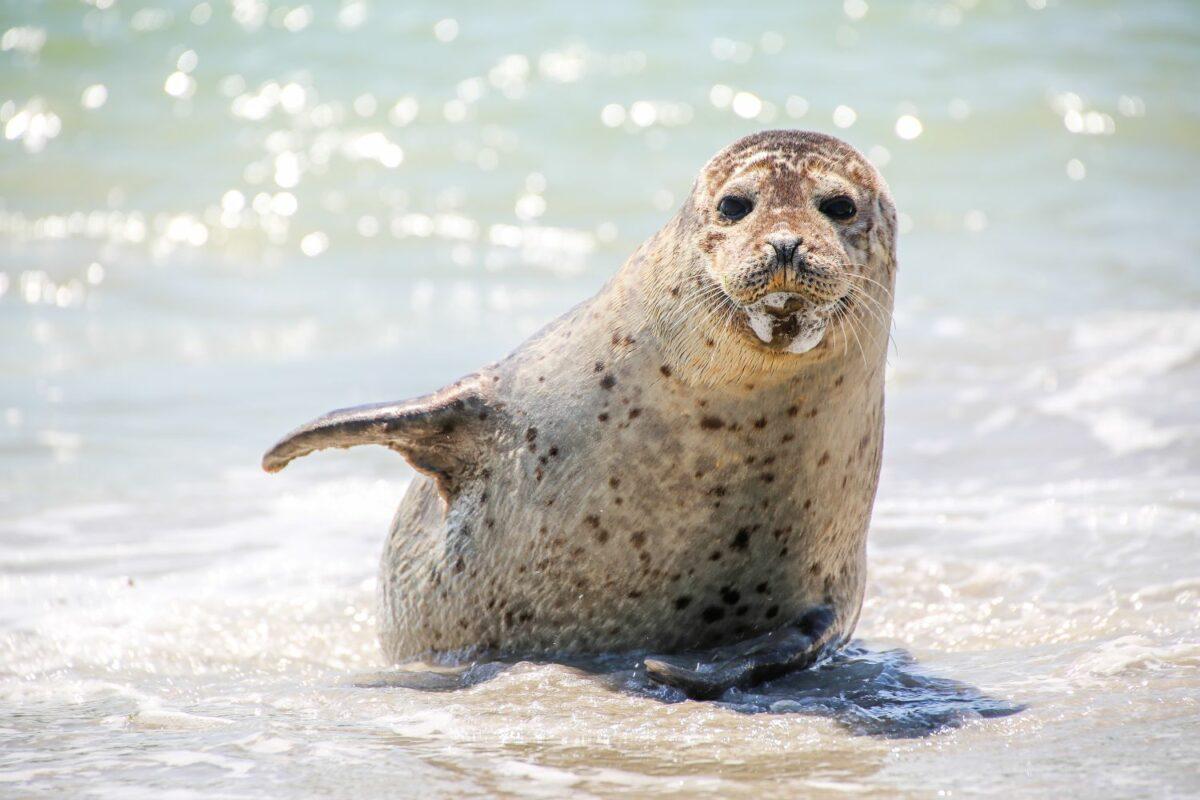
- Bring binoculars (to watch birds and seals)
Sleepy, romantic Husum – the North Sea for adults
If you want to experience the Wadden Sea but are traveling without children, we recommend Husum. This small port town in North Frisia is charming, laid-back, and not yet overrun by tourists. Around the historic inland harbor, with its colorful houses, small shops, and cafés, you can fully savor the North German way of life.
For accommodation, we recommend the SANDglow – an adults-only boutique hotel (ages 16 and up) just a few steps from the harbor. After a day at the sea or a coastal bike tour on bamboo e-bikes, relax in the small wellness area or with a drink at the bar. Mudflat tours start nearby at the Husum National Park House.
Overview: Husum
- Best time to visit: April through October
- Sustainability: SANDglow is a Green PearlsⓇ partner and implements numerous sustainability measures, e.g., 100% green electricity, breakfast featuring regional organic products, waste reduction, sustainable amenities, etc.
Things to do:
- Mudflat hike with a guide from the Husum National Park Center
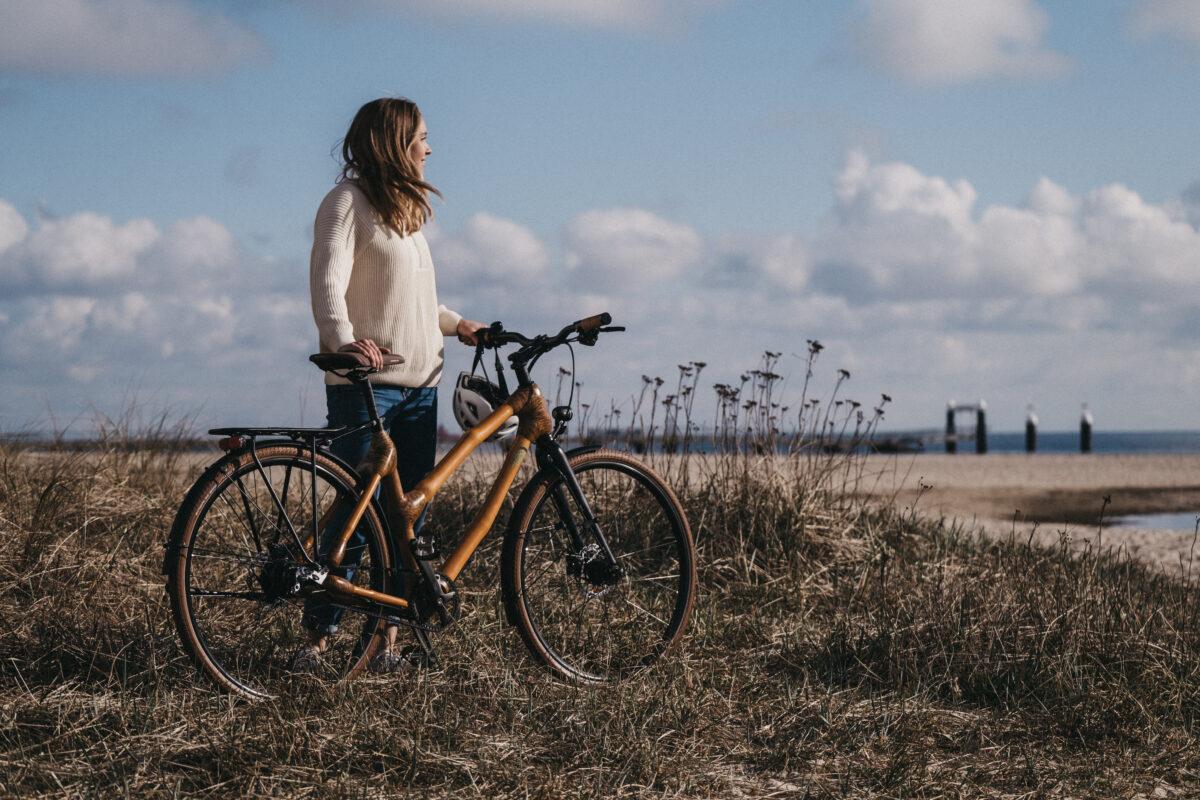
- Bike tour along the North Frisian dikes (MyBoo bikes are available for rent at the hotel)
Be careful with fish sandwiches & co: North Sea shrimp and fish platters are a staple of many North Sea vacations. Unfortunately, however, you can no longer—or should no longer—eat everything without hesitation. Did you know, for example, that eel is just as endangered as the African rhino? Here you can find out how to experience North Sea cuisine sustainably.
Also controversial: kitesurfing. Several protected zones for migratory birds have already been established, but NABU believes this doesn’t go far enough. Learn more here about whether kitesurfing on the Baltic and North Seas is a problem.
#2 Baltic Sea – A Getaway with a Focus on Sustainability in Timmendorfer Strand
The Baltic Sea is also one of the most popular travel destinations in Germany. Sandy beaches, cliffs, fresh sea air, and a wide horizon make the coast an ideal place for a short getaway in any season.
A particularly beautiful seaside resort is Timmendorfer Strand on the Holstein Baltic Sea coast. Here you can stroll along the long beach promenade, relax in a beach chair, or let your gaze wander over the Baltic Sea during walks by the water.
It’s worth staying at the Green Pearls® Lifestylehotel SANDnature. This adults-only hotel (ages 16 and up) is located just a stone’s throw from the beach and combines modern design with natural materials and a relaxed beach atmosphere. Thanks to the late-riser breakfast served until 1:00 PM, you can start your day completely relaxed. Another highlight is the sauna on the rooftop terrace, which you can rent exclusively.
Overview: Baltic Sea
- Best time to visit: All year round; from around May to September is peak season on the Baltic Sea and it can get quite crowded. However, the weather is perfect for beach days then! If you prefer it quieter, we highly recommend fall and winter. The brisk breeze clears your head, and long, solitary walks by the sea give you time to reflect.
- Sustainability: Room for improvement! Due to its inland location, the Baltic Sea is considered one of the most polluted seas. Plans for a specific “Baltic Sea National Park” in Schleswig-Holstein were halted in 2024 and replaced by an action plan for marine protection. The plan includes 16 concrete measures to be implemented by 2030, e.g., protected areas, promotion of biodiversity, waste prevention, etc.
- Label: Limited to individual initiatives and accommodations (e.g., with the PartnEU EcoLabel)
However, there have been no real successes reported yet. Intensive conventional agriculture in Germany and neighboring countries is considered the main cause of nutrient pollution (nitrogen and phosphorus) in the Baltic Sea. These nutrients enter the sea via rivers, leading to eutrophication and the formation of oxygen-depleted “dead zones.” SANDnature is actively involved in local initiatives, such as the protection of porpoises, whose population has declined drastically.
Here’s what you should do:
- Take a walk along the Timmendorfer Strand boardwalk
- Rent a beach chair and enjoy the Baltic Sea horizon
- Bike tour along the coast
- Trip to the fishing port in neighboring Niendorf
Tip: If you want to experience something special, you can spend the night under the open sky in the beach chair bed on the rooftop terrace of the SANDnature Hotel and watch the starry sky over the Baltic Sea.
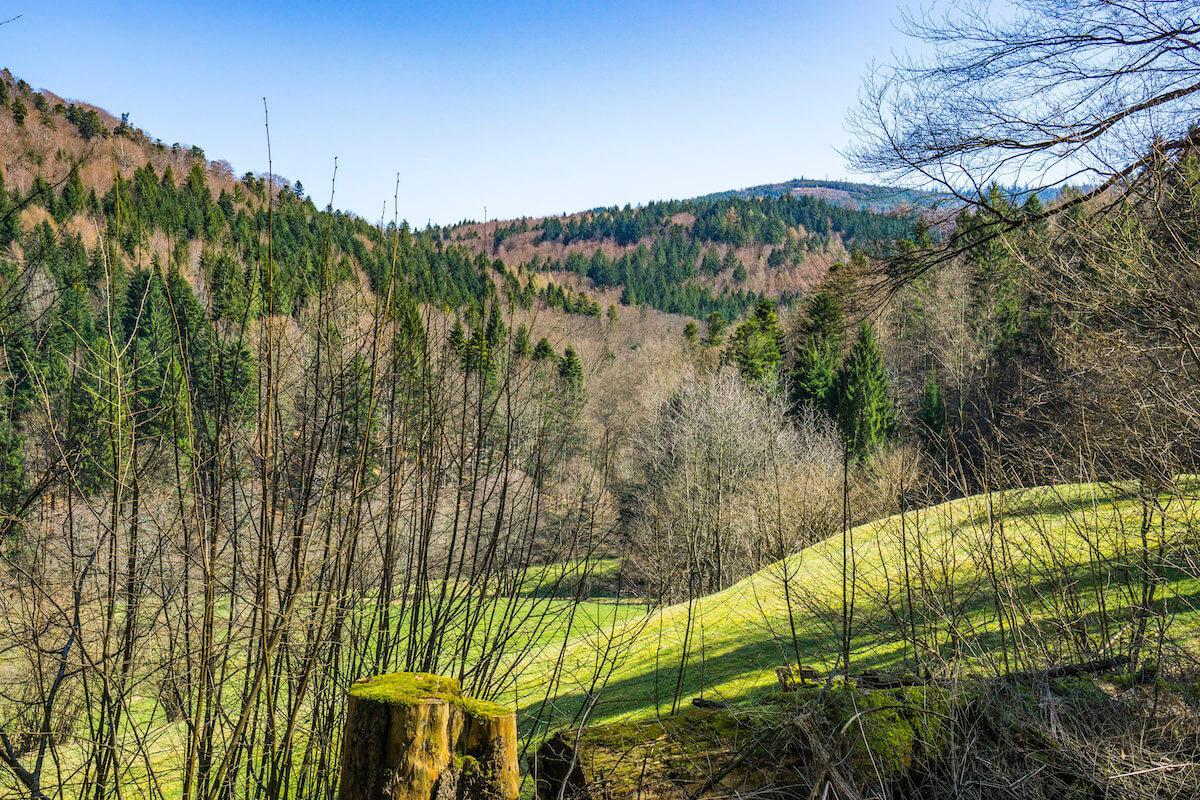
#3 Black Forest – Perfect for Health and Wellness
The Black Forest is Germany’s largest contiguous low mountain range and, thanks to the national park (approx. 10,000 hectares) and many other protected areas, offers one thing above all else—pure nature.
As is well known, the German forest plays an important role in the Grimm’s Fairy Tales, for which the dense and dark Black Forest is considered the source of inspiration! There are also rivers, lakes, moors, and thermal baths. The region is ideal for hiking, cycling (e-bikes are very popular due to the mountains), and cross-country skiing in winter.
The Sustainable Spa Town of Bad Herrenalb
In Bad Herrenalb, located in the northern Black Forest, there is a strong focus on environmental and climate protection. No wonder, since the town is officially recognized as a climatic health resort. The fresh, clean air combined with the forest lets you relax and unwind. So be sure to try a forest bathing session when you’re there!
For accommodations, we recommend the SCHWARZWALD PANORAMA or the SCHWARZWALD PANORAMA APPARTMENTS. In addition to the panoramic views that give it its name, this wellness hotel offers a spacious spa area with an on-site panoramic thermal bath and saunas, as well as a wellness center featuring alkaline fasting, yoga, and TCM therapies. Perfect for escaping the daily grind.
Overview: Bad Herrenalb
- Best time to visit: All year round
- Sustainability: Many nature reserves and plenty of opportunities to rent e-bikes. Well-developed network of e-charging stations.
- Certifications: UNESCO Biosphere Reserve (in the Southern Black Forest); Bad Herrenalb in the Northern Black Forest is recognized as a climatic health resort, spa town, sustainable travel destination, and Fairtrade Town.
Things to do:
- Drink healing water from the Bad Herrenalb drinking pavilion
- Rent an e-bike or use public transportation for free with the KONUS guest card
- Forest bathing
- Bring a fairy tale to read (e.g., The Cold Heart by Wilhelm Hauff)
- Buy a “Made in the Black Forest” cuckoo clock (if you can spend around 400 euros on such a hand-carved souvenir)
Freiburg – a more sustainable city break in the Black Forest
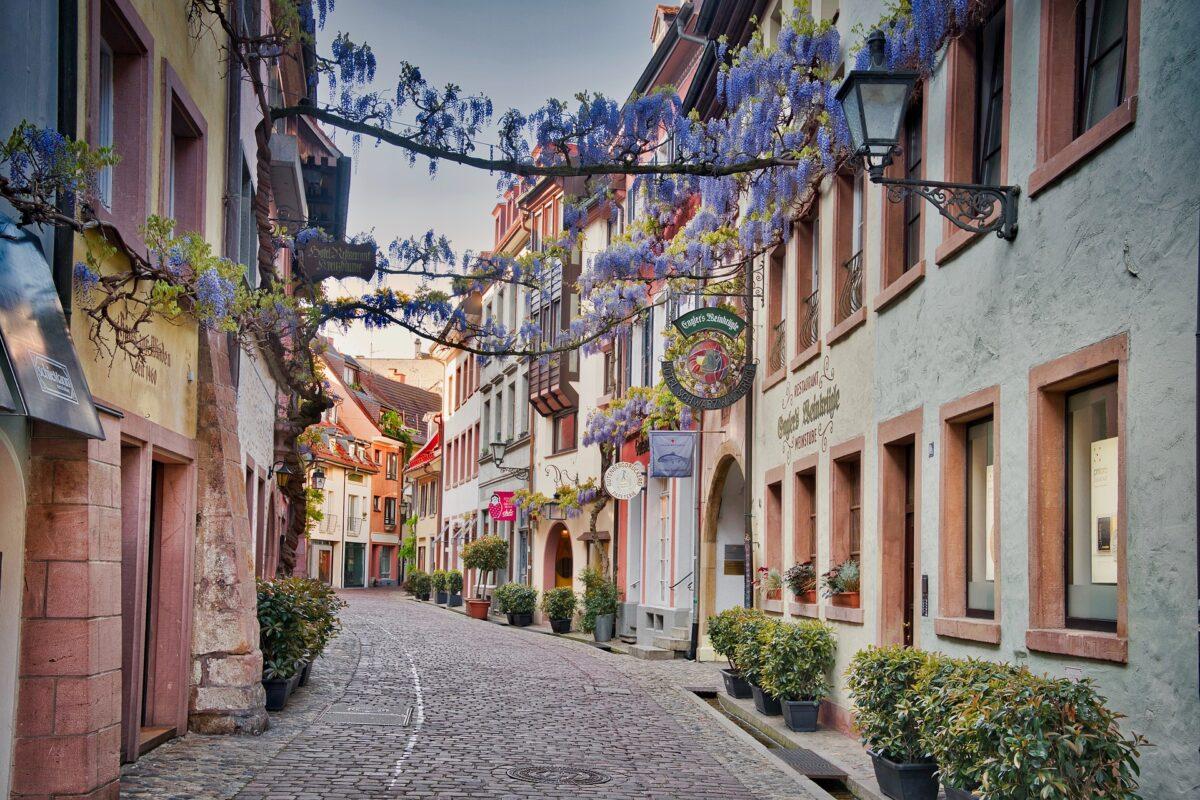
If you’d like to combine your Black Forest vacation with a city break, Freiburg im Breisgau is our top choice. This sunny university town is considered one of Germany’s greenest cities and combines a historic old town with sustainable urban development. The short distances to nature are an added bonus.
Particularly exciting is the car-free Vauban district, a flagship project for sustainable living with plenty of green space, solar energy, and direct tram connections. This is also where our hotel recommendation is located. At the inclusive Green City Hotel Vauban, people with and without disabilities work together, and sustainability is just as much a part of the concept as modern design and good connections to downtown and the Black Forest (you’ll receive a ticket with your stay to use public transportation for free).
Overview: Freiburg
- Best time to visit: Spring and fall for sightseeing, trips to the Black Forest, and the vineyards in mild temperatures. Summer is the season for beer gardens and wine festivals, and in winter there’s a Christmas market.
- Sustainability: The city is known as “Green City Freiburg” and serves as a true role model with various environmental initiatives.
- Certifications: Freiburg awards a number of its own certifications, such as the MobilSiegel, which recognizes companies for sustainable mobility (for their employees) (e.g., Jobrad, Jobticket, etc.)
Here’s what you should do:
- Take the Schauinsland cable car up Freiburg’s local mountain
- Stroll through Freiburg’s Old Town and along the Bächle
- Get ready with this blog post: Tips for a more sustainable weekend in Freiburg
Here you’ll find more tips on more sustainable travel in the Black Forest
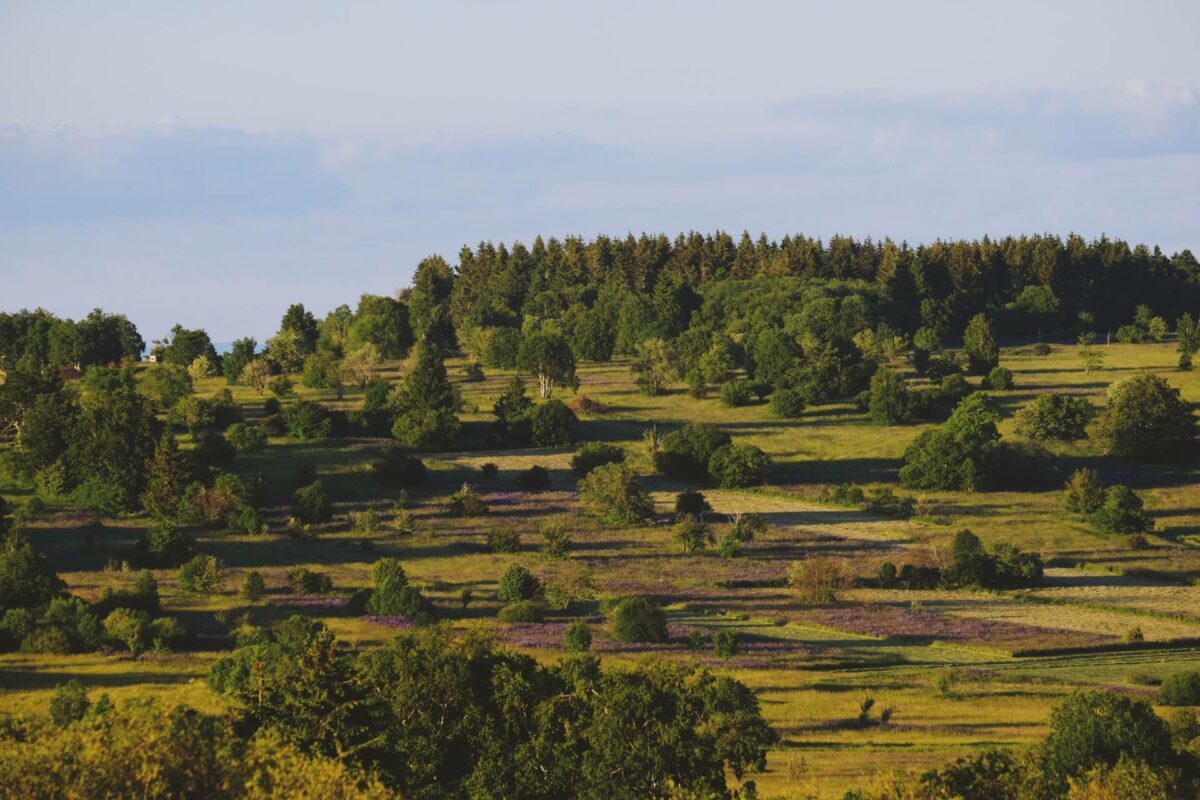
#4 UNESCO Biosphere Reserve Rhön – Hiker’s Paradise
Some animal species, such as the capercaillie, have already gone extinct in the Rhön—but fortunately, action was taken in time. With its designation as a biosphere reserve, the entire region is now committed to safeguarding biodiversity. In addition to protecting the environment, biosphere reserves incorporate key economic sectors, with tourism being a prime example. If you’re looking for an example of sustainable vacationing in Germany, a biosphere reserve is the perfect place.
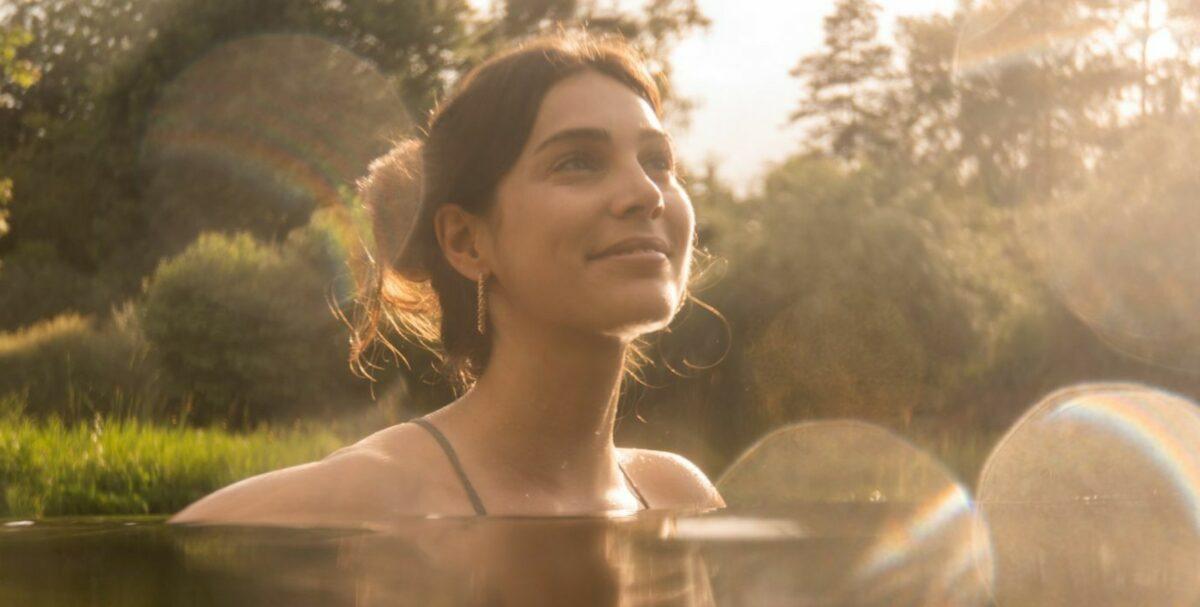
The STURM was the first certified organic hotel in the Rhön. It treats its guests exclusively to certified organic food and sees itself as part of the Slow Food movement. Here, you can relax at the Rhön Spa or explore nature as an active traveler on the many hiking trails. The low mountain range also offers the perfect backdrop for mountain biking.
The Rhön is one of the few regions in Europe designated as an International Dark Sky Reserve (Star Park). Thanks to exceptionally low light pollution, you can experience an impressive starry sky here.
Overview: Rhön
- Best time to visit: Year-round when the weather is nice and in winter when there is snow
- Sustainability: Many areas are designated as light-protected zones. This helps protect insects, as artificial light disrupts their natural flight patterns. (Insects navigate by the moon and stars)
- Certification: UNESCO Biosphere Reserve
Things to do:
- Stargazing in the Star Park
- Visit the two raised bogs, Schwarzes Moor and Rotes Moor (there is a nature trail on wooden planks for each)
- Take a day hike on the “Michelsberg” premium hiking trail.
#5 Bavaria – Alps, Lakes, and Sustainable Hideaways
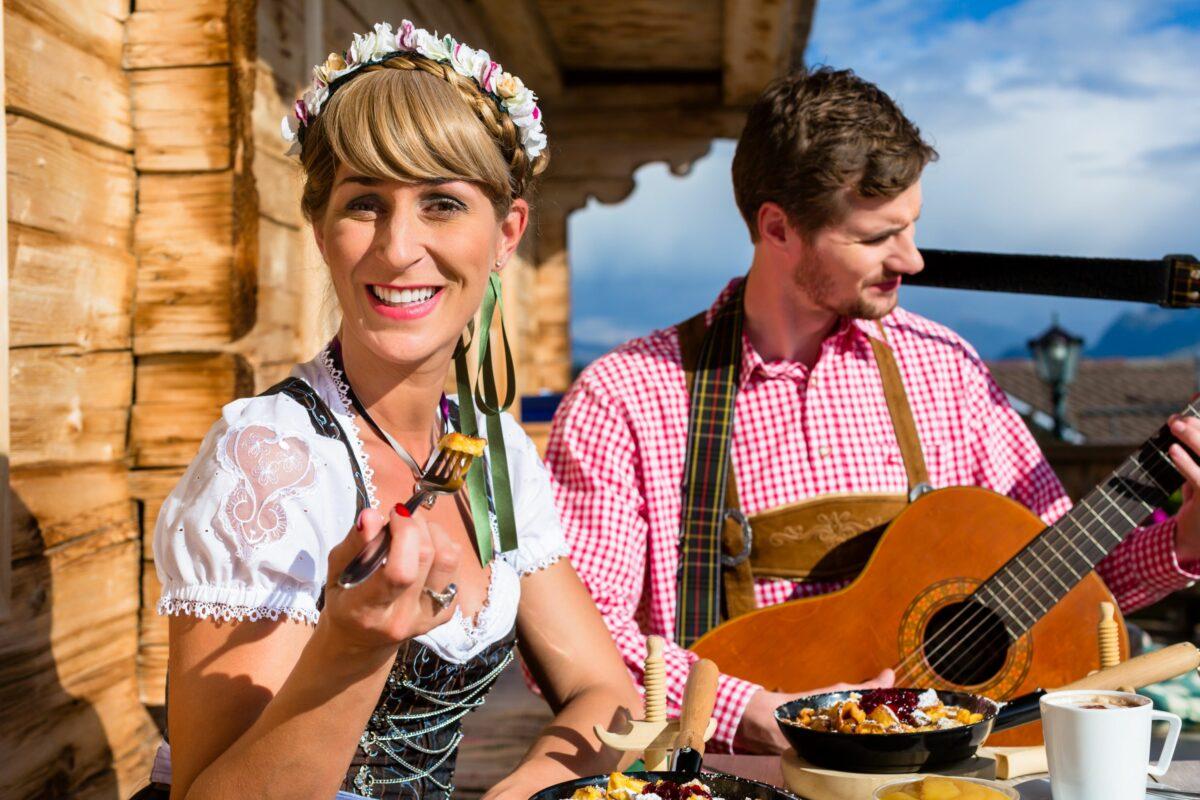
Although part of the Rhön region is in Bavaria, the state has many other impressive natural areas. The Allgäu region is particularly popular for its Alpine panoramas, green meadows, and famous royal castles, such as Neuschwanstein and Hohenschwangau.
Overlooking Neuschwanstein Castle is the romantic, family-run Hotel Das Rübezahl in Füssen. This wellness hotel is known for its special atmosphere (Psst: marriage proposals are one of the house specialties). The hotel also includes two mountain huts, which you can reach, for example, on guided hikes with mountain guide “Berg Baschdi.”
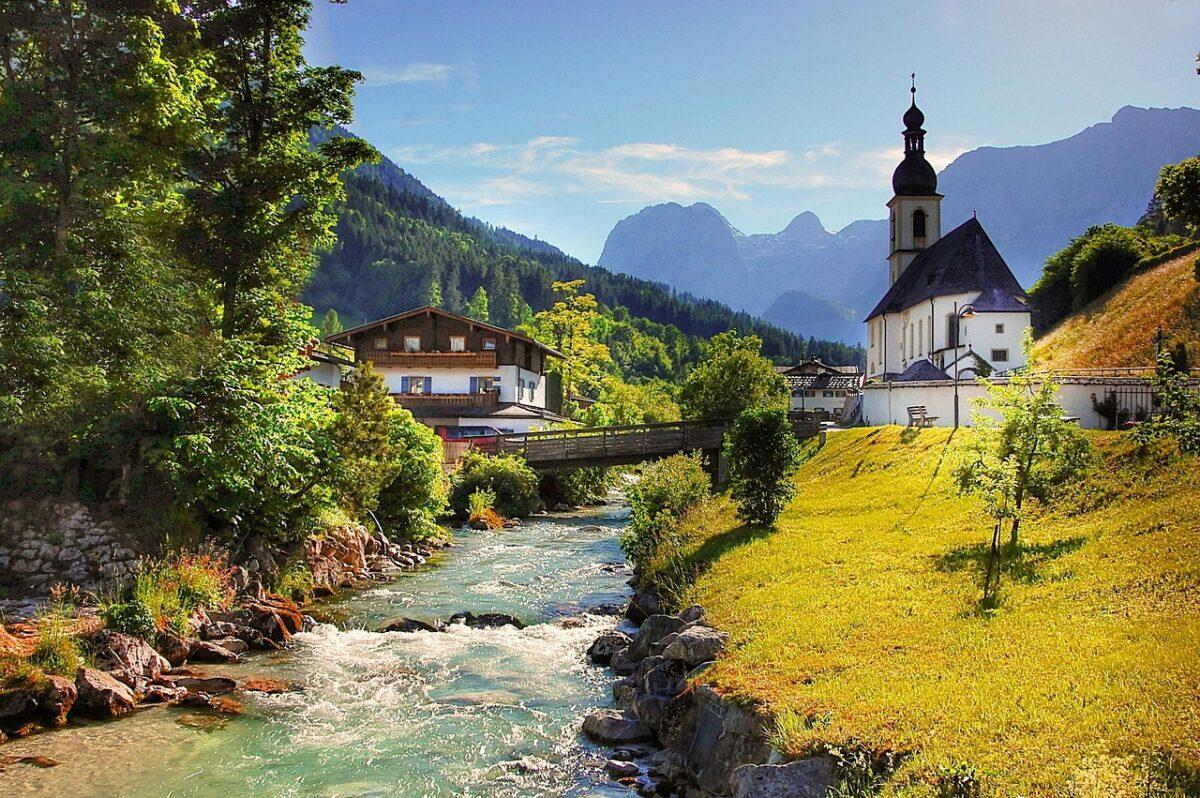
Another highlight is the Berchtesgadener Land with the emerald-green Königssee and an impressive Alpine landscape. Here we recommend the Klosterhof – Alpine Hideaway & Spa in Bayerisch Gmain. This wellness hotel features a spectacular indoor pool with a view of a crackling fireplace and a wellness center. And by the way, the hotel is also highly recommended for babymoon vacations.
If you’d also like to experience Bavaria culturally, a detour to the cities is well worth it. Near Munich lies Gut Sonnenhausen, a lovingly restored estate surrounded by nature. Events are held here regularly (e.g., permaculture garden tours, knife sharpening, art auctions, and concerts)
Erlangen is also a city that offers options for more sustainable travel. At Hotel Luise, the “Wall of Change” in the lobby showcases over 250 measures the hotel has implemented to promote sustainability—from the “Renewable Hotel Room®” and a microforest to water-saving “astronaut showers.”
Overview: Bavaria
- Best time to visit: All year round – hiking and cycling in summer, winter sports in the Alps in winter.
- Sustainability: In the Berchtesgadener Land region in particular, the focus is on protecting alpine nature. Many towns prioritize eco-friendly transportation and well-developed hiking and biking trails. Erlangen is also considered a very bike-friendly city.
- Certifications: Bavaria has several sustainability initiatives, including Der Blaue Gockel for sustainable vacation farms, as well as green tourism certifications such as TourCert and sustainable hotels from the Green Pearls® Network.
Here’s what you should do:
- See Neuschwanstein Castle and Hohenschwangau Castle, at least from the outside
- Hike in the Allgäu Alps or to one of the Rübezahl mountain huts
- Take a boat ride on Lake Königssee (the lake in Berchtesgaden National Park is navigated exclusively by electric boats, rowboats, or pedal boats)
Find more inspiration in the following blog posts
- Sustainable Travel in the Realm of the Watzmann (Berchtesgadener Land)
- A Culinary Journey to the Allgäu
- Interview with Hiking Guide Berg-Baschdi (Allgäu)
- Insider Tips for a Sustainable Weekend in Erlangen
#6 Lake Constance – Flowers and Water Sports
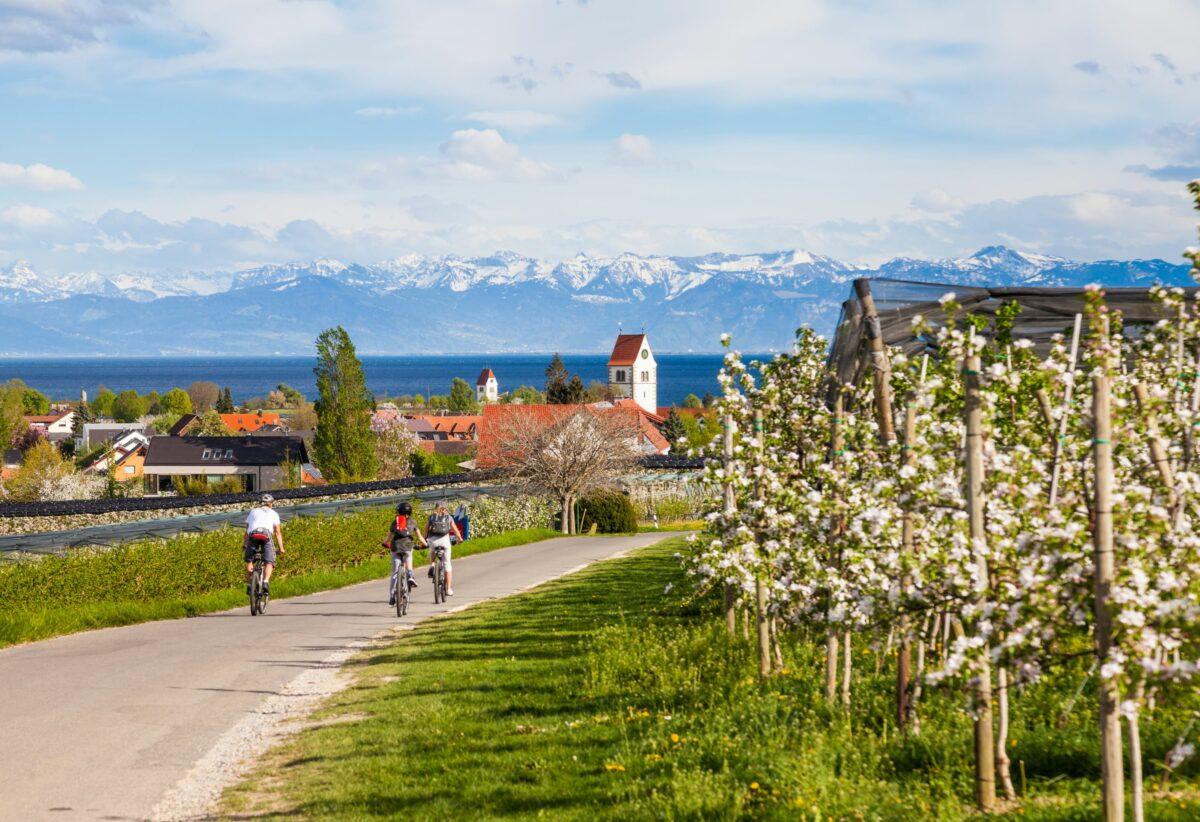
Lake Constance, stretching over 60 kilometers across the Alpine foothills between Germany, Switzerland, and Austria, is a well-known and popular vacation destination. This vast lake is ideal for water sports such as sailing, windsurfing, canoeing, and stand-up paddleboarding (SUP). However, you don’t need to buy equipment specifically for a vacation or a first-time try. It’s more sustainable to use one of the many rental services.
To reconcile water sports with nature conservation, the state government of Baden-Württemberg has created this PDF document on nature sports on Lake Constance. These measures include the designation of special protected areas.
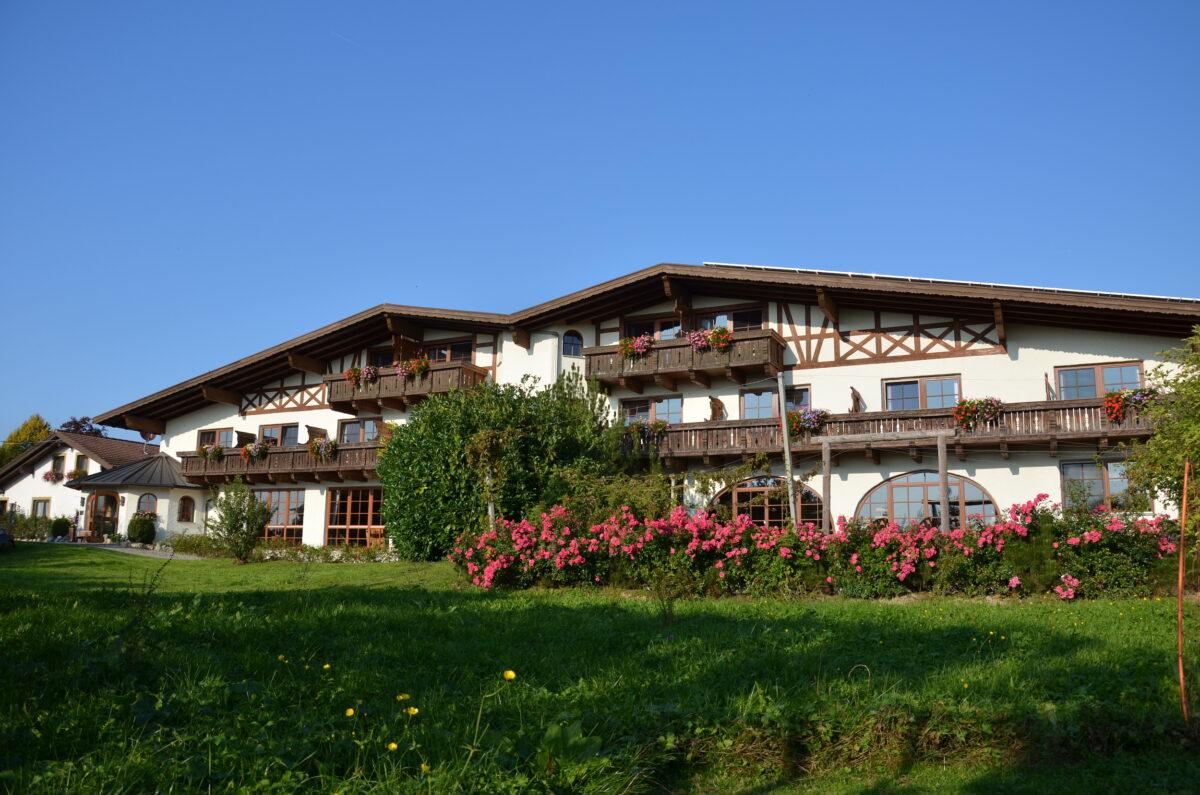
For accommodations (not directly on the lake, but surrounded by a forest and apple orchards), consider the Naturresort Gerbehof. This organic hotel has received multiple awards for its ecologically managed wellness area. It offers unique massages, such as stress-relief massages based on the Philippi method, and treatments with natural cosmetics, including products from PHARMOS NATUR.
The Lake Constance Cycle Route is also particularly popular: approximately 260 kilometers circle the lake and connect Germany, Austria, and Switzerland—perfect for sustainable cycling trips. A trip to the famous flower island of Mainau is also an absolute highlight in almost every season. But in the spring, the island totally captivates visitors with a sea of tulips and other early bloomers.
Overview: Lake Constance
- Best time to visit: May to September
- Sustainability: For over 25 years, the Lake Constance Foundation has been committed to sustainability. For example, it launched Ecocamping, which now includes over 200 campsites. Here, you can not only vacation with a tent or RV but also rent accommodations.
- Certification: The ECHT certification, developed by Deutsche Bodensee Tourismus GmbH, is relatively new. A key feature is the ECHT Bodenseecard, which allows you to use local public transportation for free and receive discounts on cultural events.
Things to do:
- Buy fruit directly at the farm stand. The Lake Constance region is one of the largest fruit-growing areas in Europe.
- Help clean up Lake Constance’s beaches with CleanUp. (Reusable trash bags and tongs are available at numerous distribution points)
- Take a ride on the solar-powered boat HELIO
- Take a trip to the flower island of Mainau
#7 Moselle – Vineyards, Castles, and River Landscapes
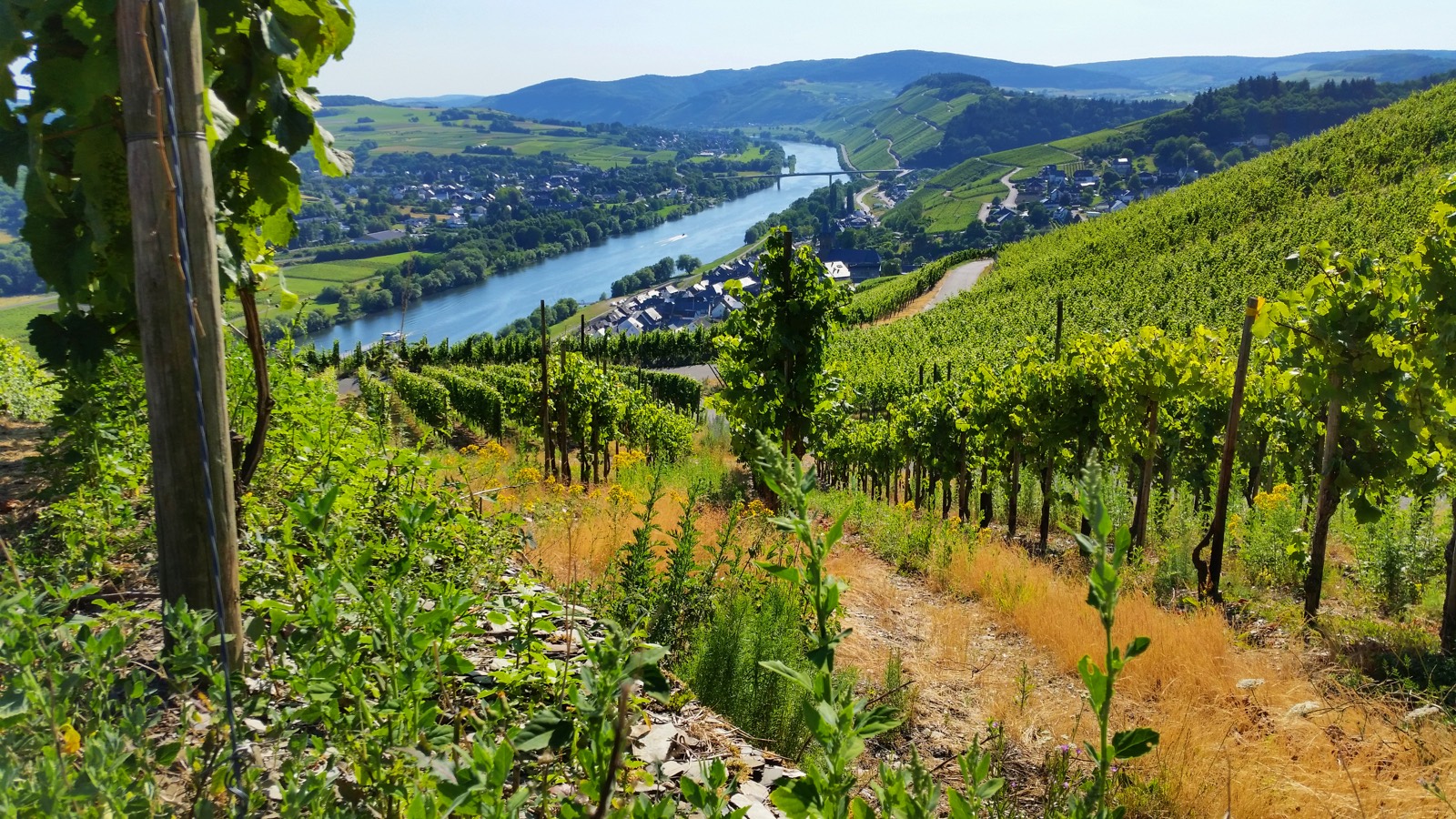
The Moselle is one of Germany’s most romantic river landscapes. The river winds its way through steep vineyards, past medieval castles, palaces, and small wine-growing villages. Cycling and hiking tours along the Moselle riverbank are particularly popular, offering magnificent views of the vineyards.
One of the most famous vacation spots is the picturesque Bernkastel-Kues with its historic old town, half-timbered houses, and cozy wine taverns. Here you’ll also find the Green Pearls® partner Lifestyle Resort Zum Kurfürsten. The wellness hotel is designed according to Feng Shui principles and is considered a place of power in its own right, with a harmonious flow of energy. In addition to various pools, saunas, and water features, the resort also features an integrated TCM center that combines traditional Chinese medicine with modern wellness offerings.
Overview: Moselle Region
- Best time to visit: May through October, especially beautiful during the autumn grape harvest.
- Sustainability: The Moselle region is increasingly focusing on sustainability, particularly through sustainable tourism (hiking, cycling), a well-developed public transit system, ecological viticulture, and regional energy concepts (some municipalities, for example, run on 100% wind energy)
- Certification: As part of the Rhineland-Palatinate tourism strategy, the Moselle region has been recognized as a “sustainable destination.”
Things to do:
- Stroll through the old town of Bernkastel-Kues
- Bike ride along the Moselle Cycle Route
- Hike through the vineyards
Small things with a big impact – how to make your vacation in Germany more sustainable
- Traveling by train or long-distance bus: As determined by the Federal Environment Agency, trains and buses (long-distance buses) are the most eco-friendly ways to travel.
- Sustainable accommodations: You can find the complete list of Green PearlsⓇ accommodations, vacation homes, hotels, and destinations in Germany on the linked page.
- Use the Refill app: Bring a water bottle with you on vacation and refill it for free at Refill stations along the way. This way, you protect the environment, the climate, and your wallet 🙂
- Shop locally: You can buy regional products at farm stands and weekly markets; if you bring your own bags, you can even buy them unpackaged!
- Keep your distance from wildlife: Respect nature while on vacation and follow the rules of nature reserves during your excursions. For example, wild birds and animals must not be fed.
This is an update from February 3, 2023
Your next destination is Germany? Then save this article for later by pinning it to your pinterest boards.


 (3 votes, average: 3.67 out of 5)
 Loading...

I didn’t realize how much the Wadden Sea is affected by climate change, but it’s encouraging to see how people are still visiting in a responsible way. I love that the blog mentioned small things we can do to reduce our footprint while traveling!
Thank you for the nice comment. It was also new to me, but unfortunately no suprise sind all our waters are already affected by climate change. Best Regards, Laura