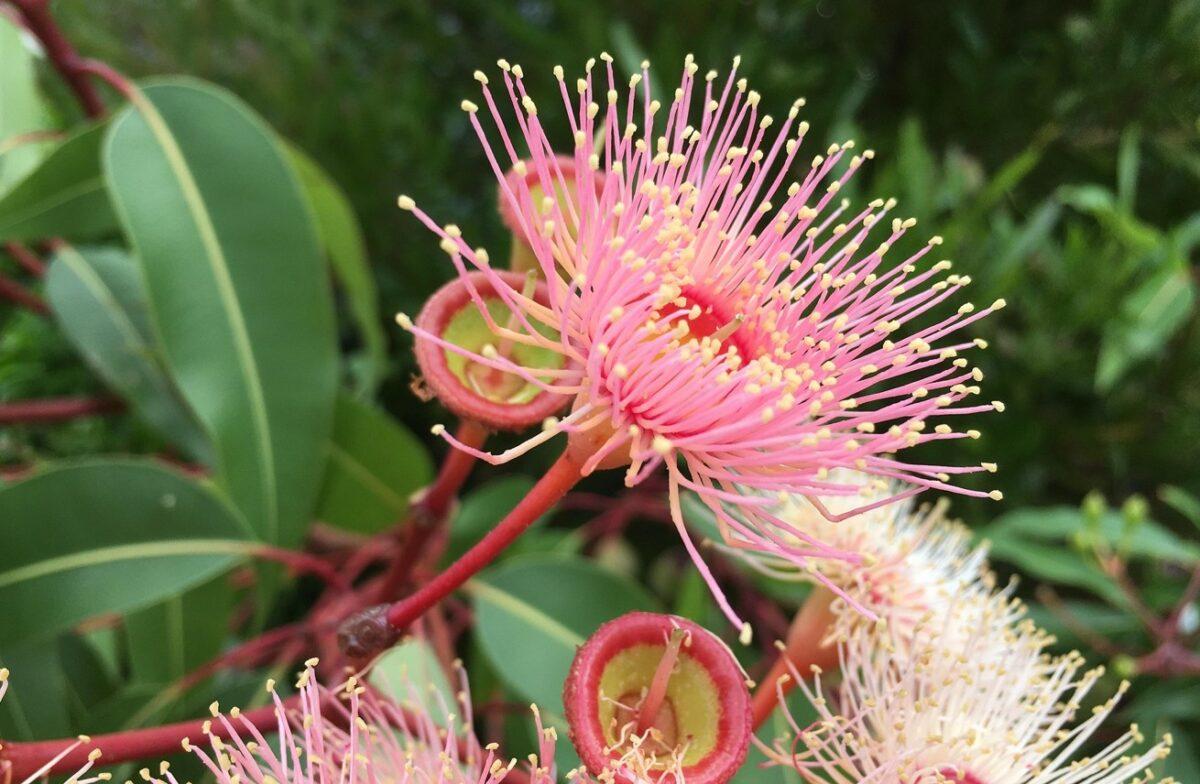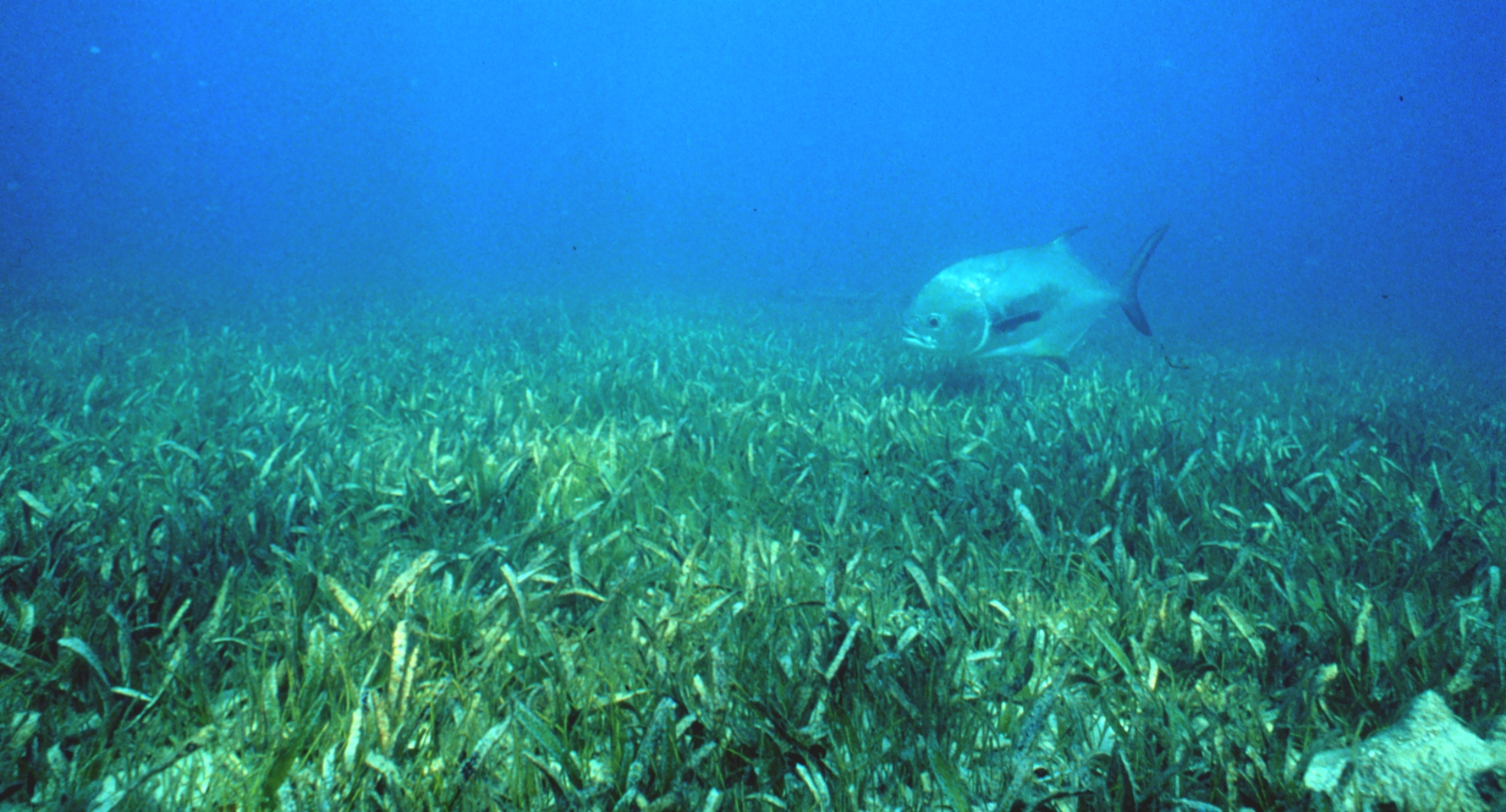
When people think of a beach vacation, they usually picture turquoise waters and white, sandy beaches. However, the things that lie beneath this picturesque surface rarely receive the same attention. This is precisely what is becoming an increasing problem. Seagrass beds around the world are disappearing at a rapid pace, and unfortunately, tourism is contributing to this. IMAGE: Wikimedia Comons
The Importance of Seagrass Beds to the Ecosystem
Contrary to what one might expect, seagrass is more closely related to terrestrial grasses than to other underwater plants. It produces flowers, has stems and leaves, and even grows roots. Seagrass’s main habitats are shallow coastal waters. And these dense underwater meadows are among the most important ecosystems in the ocean. They provide shelter, breeding grounds, and food for countless species, including small invertebrates, fish, sea turtles, and seahorses. At the same time, they store 15 times more CO₂ per unit area than rainforests do, stabilize the coasts where they grow, and filter the water. In other words: These tiny blades of grass are of enormous importance to the animal kingdom and to us humans.
Tourism as a growing threat to seagrass beds
Unfortunately, seagrass is not only threatened by climate change and the resulting warming of the oceans and rising sea levels, but also by tourism. One reason is that tourism often leads to increased marine pollution, which can be deadly for seagrass beds. But also because resorts deliberately destroy the meadows to offer their guests a “more beautiful” beach. Additionally, boat anchors and propellers can easily destroy the meadows, often due to tourists or sightseeing tours. The Posidonia species found in the Mediterranean is particularly affected by this, as reported by The Ecologist.
What you can do
Obviously, it’s difficult for one person to stop the incredible rate of decline, estimated at seven percent of the total area per year. Still, there are a few things you can do:
- The most important thing is to stay away from marked seagrass beds and to anchor far enough from the coast when you’re out on a boat.
- If you see other boats or yachts anchored there, point this out to them. If necessary, call the Coast Guard.
- Properly disposing of your trash helps the seagrass meadows—by the sea and everywhere else.
- Avoid using fertilizers because they enter the water cycle. Due to excess nutrients, fertilizers promote algae growth, which can overgrow seagrass.
- Support marine conservation organizations.

 Loading...