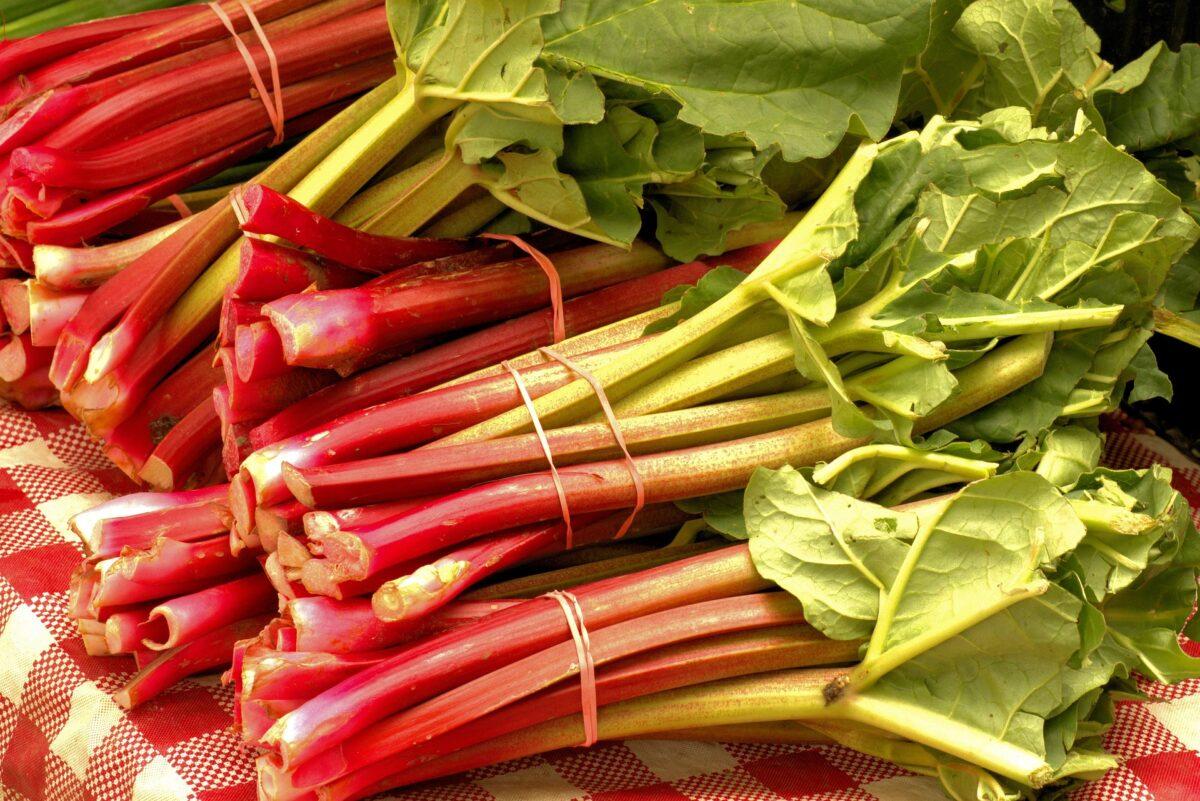
Many people probably only know this often overlooked vegetable as compote or from their grandmother’s kitchen. However, rhubarb definitely has superfood potential; not only does it taste delicious, but it also offers many health benefits. IMAGE: Pixabay
What exactly makes rhubarb a superfood?
First, rhubarb is very low in calories—one serving contains only a few dozen—but high in nutrients. These include a high vitamin K content, which is important for healthy blood clotting and strong bones. It also contains vitamin C, potassium, and fiber—a combination that supports the immune system, digestion, and heart health. Additionally, rhubarb has an antioxidant effect on your body, which can prevent cell damage. Some studies even suggest that rhubarb can help prevent cancer. However, you should stay away from the leaves. They contain oxalic acid, which can cause health problems such as vomiting and diarrhea.
At the same time, rhubarb thrives in the German climate and is easy to grow. This makes it easy to find locally or grow in your own garden. Incidentally, the best time to grow it is from late February to early May — so now is the perfect time to get started!
What is the best way to prepare rhubarb?
Rhubarb tastes best when its acidity is balanced. Before preparing it, wash the stalks and gently peel off the fibrous skin, especially if they are older. Classic recipes like compote or cake are always a good option: simply cut the rhubarb into pieces and simmer gently with a little sugar or honey until it breaks down. For a fresher taste, combine it with sweet fruits, such as strawberries or apples. Another exciting option is to sauté the rhubarb briefly and use it as a sour note in savory dishes or as a chutney with ginger and chili. It’s important not to overcook rhubarb so that its flavor, color, and nutrients are preserved.
Do you have a favorite rhubarb recipe? If so, please write it in the comments!

 Loading...