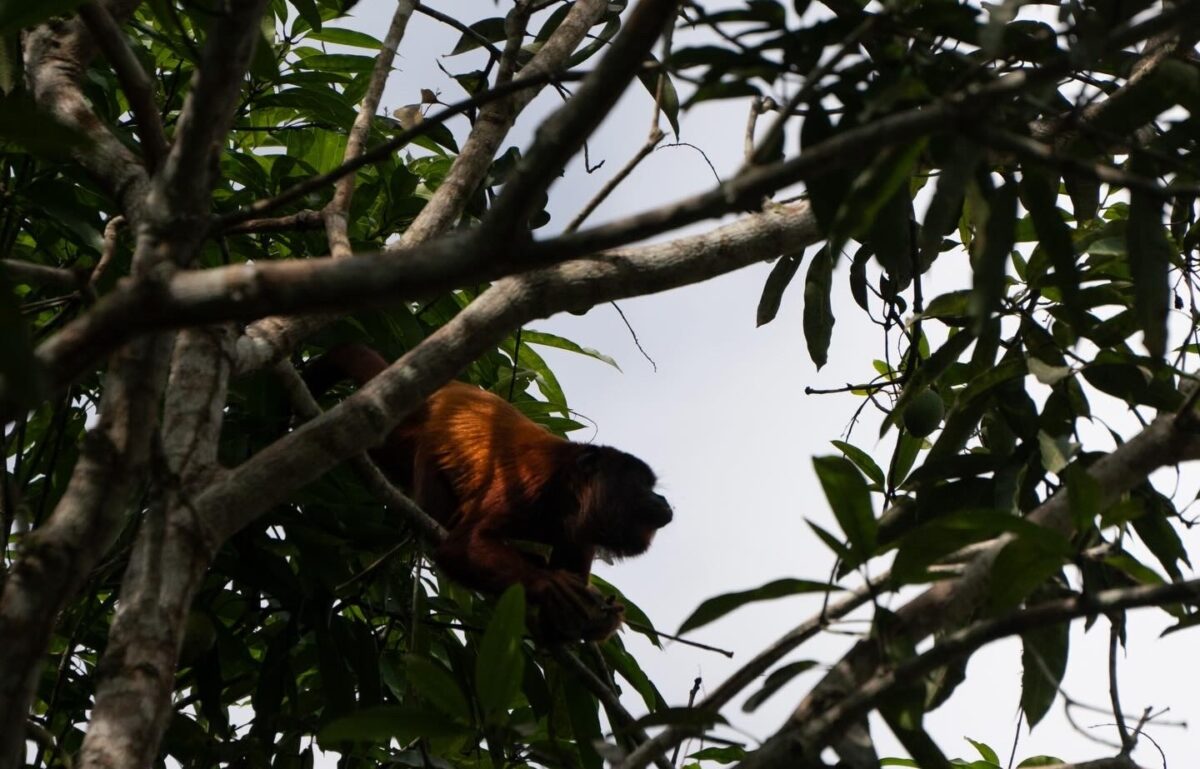
I recently read a shocking and thought-provoking article. In India, an extremely rare frog disappeared from its original habitat. The reason? Photographers who wanted to capture its uniqueness. It’s almost ironic or even cynical that this frog can no longer be found there because of that… | Cover image: Howler Monkey in the Peruvian Rainforest ©Mara Biebow
The tragic story of the Galaxy Frog
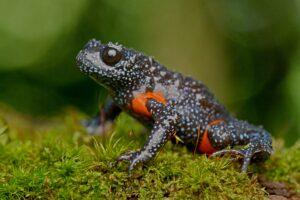
The frog in question is the Galaxy Frog. It got its name from its resemblance to outer space with its blue spots and orange markings. Researchers discovered seven specimens of the endangered species in a study area in the Western Ghats in India. That was in 2020. However, when the researchers returned in 2021 and 2022, the frogs were nowhere to be found. Instead, they discovered overturned tree trunks and trampled vegetation. According to an informant, wildlife photography excursions were the reason for this. The participants destroyed the habitat and, allegedly, even touched the frogs with their bare hands (risk of infection) and photographed them with flash (stress factor). “Some photographers don’t care about the animals or their habitats; they only care about the aesthetics of the image,” summarized Dr. Rajkumar K. P., one of the researchers involved in the study.
You can find out more about this story and the related study here.
Wildlife photography: conservation or problem?
The wildlife photographers I know are passionate about animal welfare and volunteer for causes supporting whales, strays, and animals of all kinds. Photography and images of wild animals can help conservation efforts by raising awareness and inspiring enthusiasm. However, this does not seem to have been the case with the Galaxy Frog.
Ultimately, it should never be about getting a specific picture of an animal. If it works out and you get the shot, great! If not, then try again at another time.
If the animals are hiding, leave them alone and don’t drag them out of their dens. That’s why I’ve always been skeptical of photography excursions. What do the organizers do to guarantee spectacular pictures? Of course, there are providers that are responsible and openly acknowledge that there are no guarantees when it comes to wild animals. One day, you might see the entire lion pride, including the cubs; the next day, not a single one. That’s just how it is. Dr. Rajkumar K. P. shares this view: “We can’t say that wildlife photography itself is a problem. Many photographers and tour operators behave respectfully toward animals and their habitats.”
Tips for your wildlife photography while traveling
Whenever I’m on the road, I look forward to encounters with animals and the special moments that can evolve. And yes, of course, I also look forward to possible amazing wildlife pictures. But not at any cost. That’s why I’m sharing my tips on how I approach wildlife photography respectfully.
- Be patient.
Wild animals are generally shy. Stay relaxed and be patient. If you’re staying for a while, get to know their favorite spots. Lie in wait there with your camera. - Disappointment is part of it.
Of course, it’s disappointing when you travel a long way to see giant otters in Lake Sandoval in Peru, but none show up. But that’s just how it is. Feel annoyed for a moment, and then enjoy the many birds and butterflies! - Keep your distance!
Observe the animals closely and assess whether you are stressing them out or if they are relaxed. If you’re unsure, take a few steps back. - Approaching? But slowly!
If you want to get closer, do so slowly with gentle, gradual movements. If you notice that the animal is stressed, back away. If it retreats, don’t follow it! - No flash.
Most animals have more sensitive eyes than we do. If you’ve ever had a flash in your face, then you know how unpleasant it is. So, no flash! Yes, not even on your cell phone! - No noise.
That goes without saying, right? - Camera settings
If you are unsure and prefer to shoot in automatic mode, check to see if there is an automatic setting for animals. Otherwise, sports mode will suffice. If you are more advanced, leave the aperture a little wider to have more depth of field, and set a fast exposure time (minimum 1/500, preferably faster).
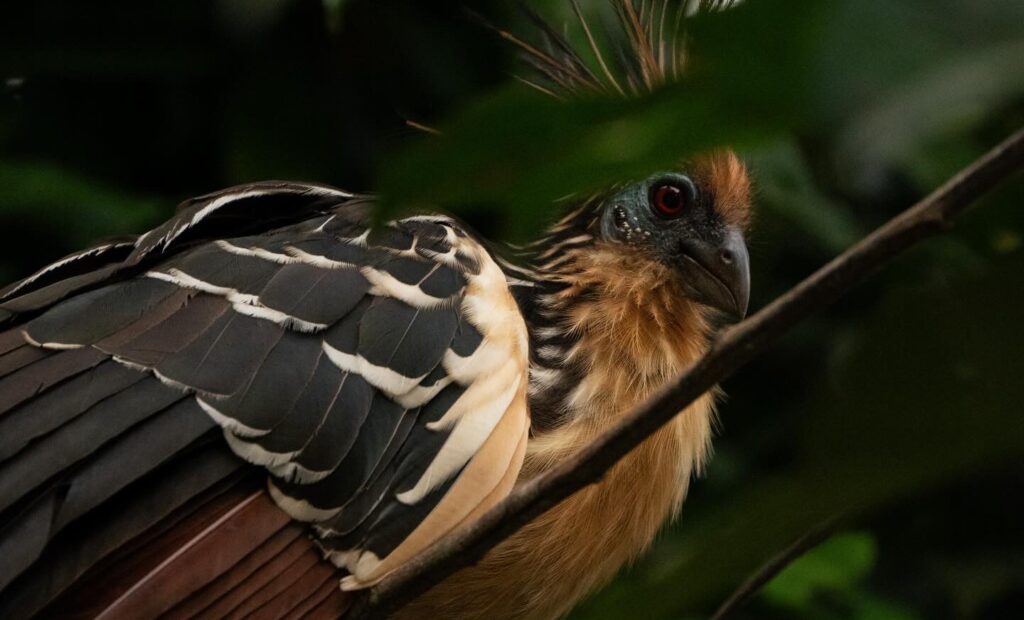
Photographing wildlife with common sense and consideration
Great wildlife photos are wonderful reminders of special encounters. However, we should always remember that we are guests in another living creature’s home, whether it’s a tiny Galaxy Frog or an African elephant. This responsibility also extends to plants, other natural objects, and the landscape, says Dr. Rajkumar K. P. “Always respect the habitat, and don’t destroy or alter the environment just to get a photo.”
We want strangers to treat our home with respect, too. It doesn’t take much to do the same for animals and nature.

 Loading...