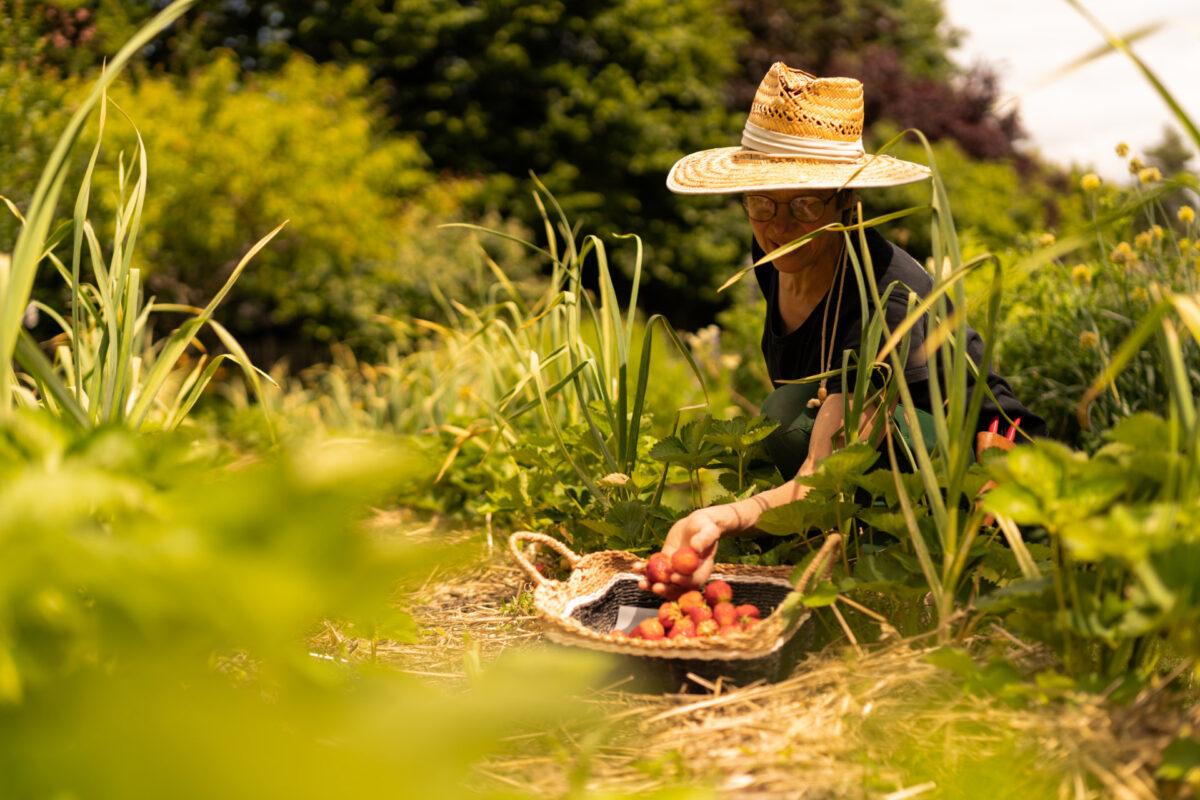
A snack garden is exactly what the name suggests—you can and should help yourself! Pick berries from the bushes, eat an apple straight from the tree, and rub a few herbs between your fingers. Everything that grows here is edible, fragrant, and ready to be discovered. In this article, we’ll show you hotels that allow snacking and give you tips on how to implement this concept at home.
What exactly is a snack garden?
Unlike traditional ornamental gardens, which are designed primarily for beauty, and Zen gardens, which focus on tranquility and minimalism, snack gardens focus on the experience. They combine enjoyment with a sense of closeness to nature. Rather than “Please do not enter,” the motto here is “Feel free to try.” For many people, especially those on vacation, this is a surprisingly intense moment of freedom and connection.
Some Green Pearls® hotels have snack gardens at the heart of their design. They provide easy access, make the origin of food tangible, and create a playful connection between guests, cuisine, and landscape. If not in the mouths of guests, the harvest ends up in the hotel kitchen and, equally importantly, with bees, butterflies, and other insects, which are just as welcome here.
The concept of a snack garden is a statement of trust and sharing, encouraging relaxed coexistence between humans and nature.
The STURM snack garden lies at the heart of the hotel’s sustainable concept
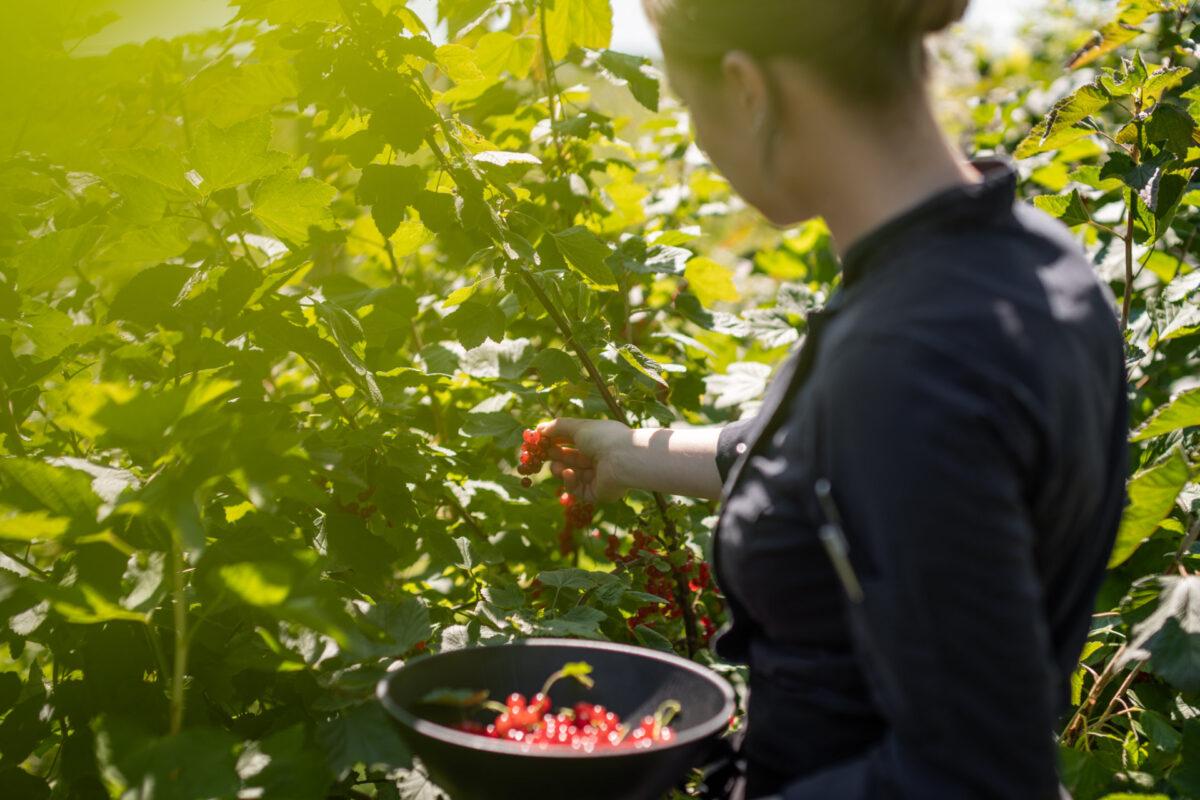
At the Wellnesshotel STURM in Mellrichstadt in the Rhön (Bavaria), you can experience a particularly large and impressive snack garden. On around 3,500 square meters, you will find everything you could possibly want to eat: vegetables, salads, fruit, herbs, and honey from the hotel’s own bees. Deliberately designed to offer space for everyone, the garden provides room for plants, birds, insects, and, of course, guests.
One particularly appealing aspect is that not only are the fruits and herbs in the snack garden edible, but so are many of the flowers. For example, cosmos bloom colorfully between the beds in the summer, attracting bees, bumblebees, and butterflies—and ending up as edible flowers on the plates at the hotel’s organic restaurant, Otto’s. The hotel recommends two special herbs: French tarragon and chervil. Tarragon aids digestion when consumed as a tea, and chervil traditionally supports kidney, bladder, and digestive health.
For 30 years, Christa and Matthias Schulze Dieckhoff have been gradually transforming the former inner-German border hotel into a design hideaway shaped by responsible practices – with a natural swimming pond instead of a pool and a garden designed to create experiences rather than merely serve as scenery.
The snack garden is a species garden in the SCHWARZWALD PANORAMA
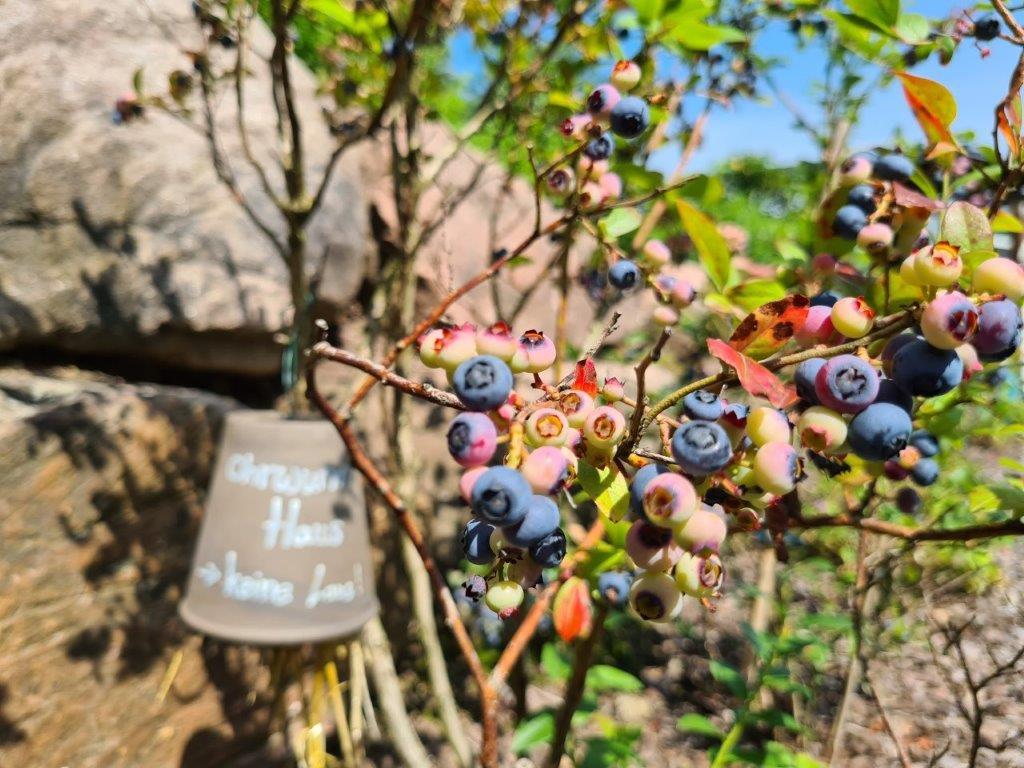
The snack garden at SCHWARZWALD PANORAMA is bursting with life. The lovingly designed “species garden” spans around 100 square meters, offering a delightful blend of snacking, biodiversity, and culinary delights. Guests are invited to help themselves to raspberries, strawberries, and currants growing along a 25-meter berry path with around 15 varieties. Other offerings include vegetables such as peppers, tomatoes, and zucchini, as well as aromatic herbs that go straight to the kitchen.
Stephan Bode’s hotel garden is based on the principles of regenerative agriculture. Synthetic pesticides are consistently avoided. Instead, the hotel focuses on diverse plant communities and insect-friendly planting. With raised beds, fruit trees, and wildflower meadows, a lively space is created that appeals to the senses of sight, smell, touch, and taste, not to mention the sound of busy bees buzzing around.
The snack garden is also a refuge for animals. Lizards find shelter in stone piles, honeybees and wild bees are permanent guests, and birds, hedgehogs, and earwigs take advantage of the many nesting sites and watering holes. Guests can enjoy a real nature experience by strolling through the garden, which also establishes a connection to the origin of the ingredients on their plates.
- For more information about the snack garden, visit the hotel’s website.
What if a snack garden isn’t possible? Kitchen gardens are an alternative
You like the idea of a snack garden, but let’s be honest, it’s not that easy in real life. Where do people who are allowed to snack come from? Maybe you could take down the fence and put up a sign that says: “Snack Garden — Visitors Expressly Welcome.” It’s a nice idea, especially if you live in a lively neighborhood or on a play street.
However, if that’s not realistic, there’s an equally appealing alternative: a kitchen garden. Here, you can grow herbs, vegetables, and fruits specifically for your kitchen. It’s less open, but you’re more aware of what you’re growing. Kitchen gardens create a connection to nature, enhance the flavor of your food, and demonstrate the impact that even small spaces can have. Ultimately, it’s also a kind of snack garden—just for you.
Mocktails from the kitchen garden at LA VIMEA
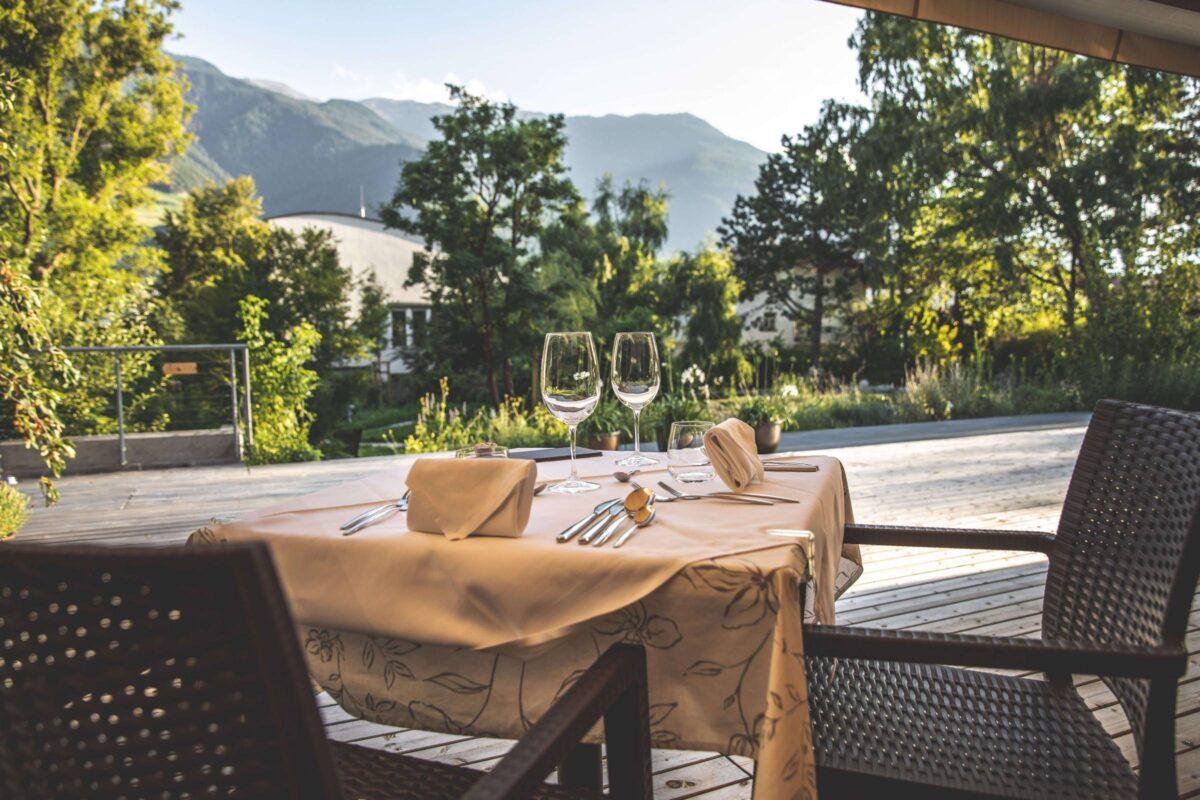
At the adults-only vegan retreat LA VIMEA, the kitchen garden is part of the holistic wellness concept. Organically grown medicinal herbs are cultivated here and used in both the kitchen and the bar. Among other things, the herbs are used to make homemade infusions for cocktails and mocktails that are fresh, aromatic, and perfectly tailored to the hotel’s wellness concept.
Hotel Bella Vista, Zermatt: “Our garden on the garage roof is quite impressive.”
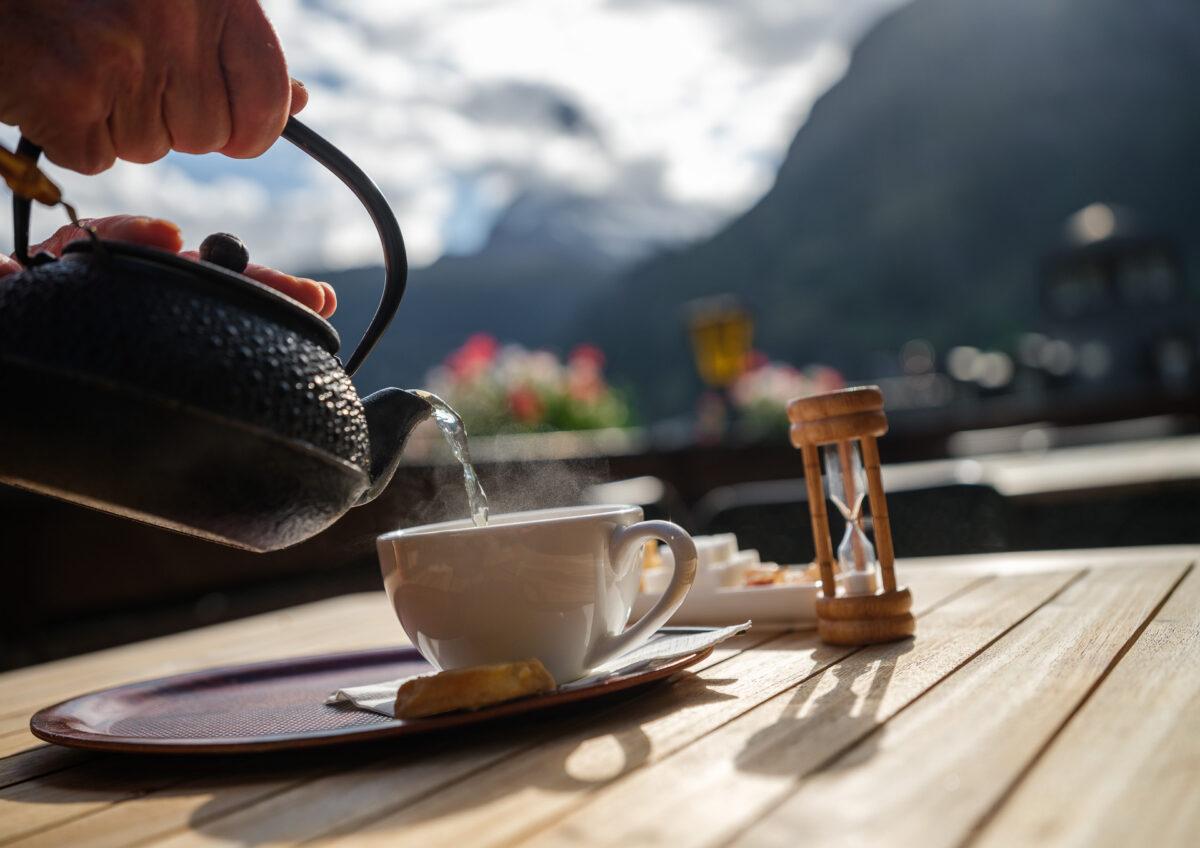
The kitchen garden at the small, family-run Bella Vista hotel in Zermatt is located where you might not expect: on the garage roof. Despite the limited space, the garden produces an impressive variety of crops, including herbs for teas, such as peppermint, lemon balm, verbena, chamomile, and nettle, as well as berries, like raspberries, strawberries, and currants, which are used to make jams.
The selection is rounded out with rhubarb, lettuce, zucchini, and cauliflower. This rooftop garden demonstrates that a functioning kitchen garden can be established even in alpine regions with limited space. It is directly connected to the kitchen and tea room, firmly anchoring the hotel’s commitment to sustainability.
Do you dream of having your own Mediterranean herb garden? Hotel Korinjak has one
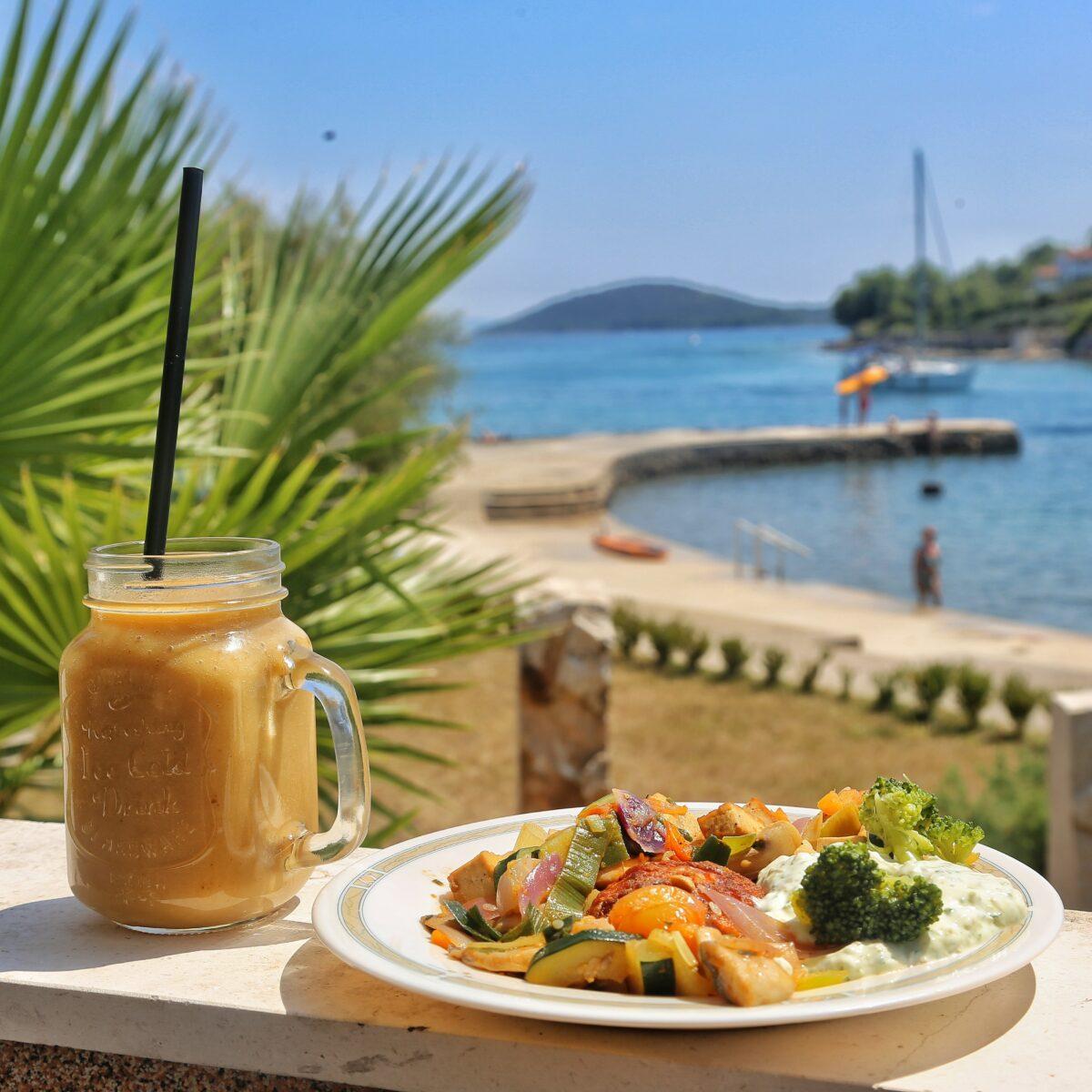
The Hotel Korinjak, located on the Croatian island of Iz, is surrounded by an abundance of natural food sources, including olive trees, figs, and wild herbs. A small, traditionally laid out Dalmatian herb garden complements the landscape. Rosemary, sage, mint, lemon balm, wild fennel, and lavender are cultivated here using minimal intervention and a great deal of trust in the soil and climate, without the use of chemicals.
The garden is an intentional connection to the island. The herbs end up in the kitchen, at the tea station, or in workshops in which guests can participate. Anyone can pick, smell, and learn—and understand how much flavor is connected to place and rhythm.
Conclusion: Kitchen garden — but alive
Whether it’s a snack garden or a kitchen garden, there’s always something going on in these gardens. They are functional, but not strictly controlled production areas. With berry bushes, herbs, and raised beds, there’s always a buzzing, fluttering, and crawling. Here, insects are allowed to snack, pollinators can do their work, and plants are allowed to simply grow instead of looking perfect.
Edible gardens encourage sharing, and kitchen gardens encourage mindful processing. Both types of gardens reconnect people with what they eat and with the nature from which it comes.
Save this article to Pinterest.

 Loading...