Alpine tourism is booming. In 2025, Austria once again set a new record for the number of visitors. However, when many people go on vacation, the environment and local communities quickly reach their limits. Marco Spiss, the owner and host of the sustainable Summit Lodges in Pfunds, spoke with us about how sustainable tourism is possible in a heavily visited region.
From overtourism to climate change: challenges for the Alpine ecosystem
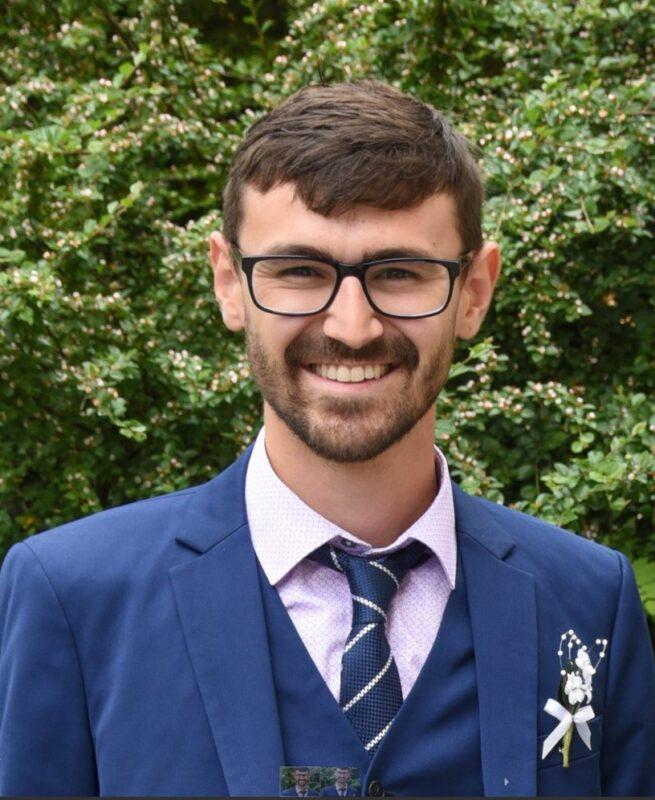
Green Travel Blog (GTB): Thank you very much, Marco, for talking to us about this important topic. Between May and July of 2025, Austria recorded over 40 million overnight stays—more than ever before. What is your perception of this development in the Tyrolean Oberland?
Marco Spiss: As a highly touristic region, we in the Tyrolean Oberland region are particularly aware of this increase. The Super.Sommer.Card and similar programs have made our region more appealing, especially in the summer. While this offers a great opportunity for businesses like ours, this development is not always positive.
GTB: For example?
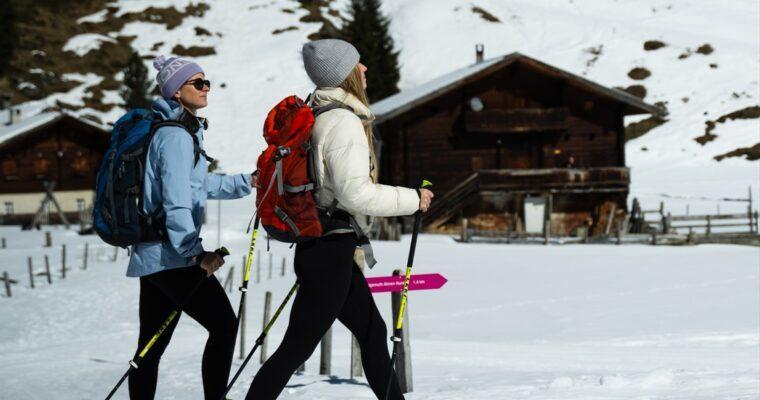
Marco: Many hiking and themed trails are overcrowded, and nature is reaching its limits. This is especially true for our wildlife, which is being forced into smaller and smaller areas of forest and wildlife habitats due to the growing number of themed and MTB trails.
GTB: Traffic congestion—not only on hiking trails, but especially on roads—is frequently cited as a problem in mountain regions.
Marco: Yes, I believe this is the biggest problem resulting from the rapid development of tourism in our Alpine valleys. The infrastructure has not kept pace with the increase in hotel rooms. Another major issue in our region will be water scarcity and its impact on our ecosystems in the future.
Scarce water resources
GTB: Do you think the changes in water resources are primarily caused by climate change or construction projects and increased usage?
Marco: Both. In my opinion, increasing periods of drought coupled with the diversion of rivers for energy production will inevitably lead to problems with drinking water supplies and the preservation of our ecosystems. For example, the development of the Platzertal valley will flood a raised bog and divert the water to another valley.
GTB:You’re talking about the expansion of the Kaunertal power plant, which the WWF describes as an “ecological disaster.”
Marco: I agree. The moorlands and the untouched valley are particularly valuable in the face of the climate crisis and are crucial for biodiversity.
Will the introduction of an “environmental tax” solve all problems?
GTB: Can tourism contribute to preserving ecosystems?
Marco: BIn our region, a lot is being done in terms of environmental protection. The municipality of Serfaus, in particular, was a pioneer in regional infrastructure with its underground railway, built in the 1980s. The Kaunergrat region is also worth mentioning, as its goal is to preserve and promote ecosystems, cultural diversity, and regional value creation. The municipality of Pfunds, home to our Summit Lodges, is another notable example. It has been a Climate Alliance municipality since the 1990s and is breaking new ground with projects such as the drinking water power plant and the new climate plan (natural shading, well creation, etc.).
GTB: Does the money for these projects primarily come from tourism?
Marco: Of course. This could be illustrated by an environmental tax similar to the local tax. Many resorts also charge an additional fee for access to certain facilities within the complex. These fees could be used to help preserve our ecosystems.
GTB: Would this also make tourists more popular with the locals?
Marco: The tourists are already popular! We mustn’t forget that our Alpine valleys depend almost entirely on tourism. However, an important issue that needs to be addressed is the housing situation of the local population. This problem is familiar to us from many tourist regions around the world. Hotel beds and staff accommodations take up urgently needed living space because it’s more profitable to rent out a property to tourists than to long-term residents.
How can tourists and locals coexist peacefully?
GTB: How can tourism and local life remain in harmony in a heavily visited region like the Tyrolean Oberland, in your opinion?
Marco: Tourism and local life should complement each other. Tourism depends on local life, and local life depends on tourism. Tourism is our driving force, keeping the economy alive and securing our future. However, we must always be aware that our greatest asset and best selling point is an intact natural environment, because we locals pay the price for the destruction of our habitat.
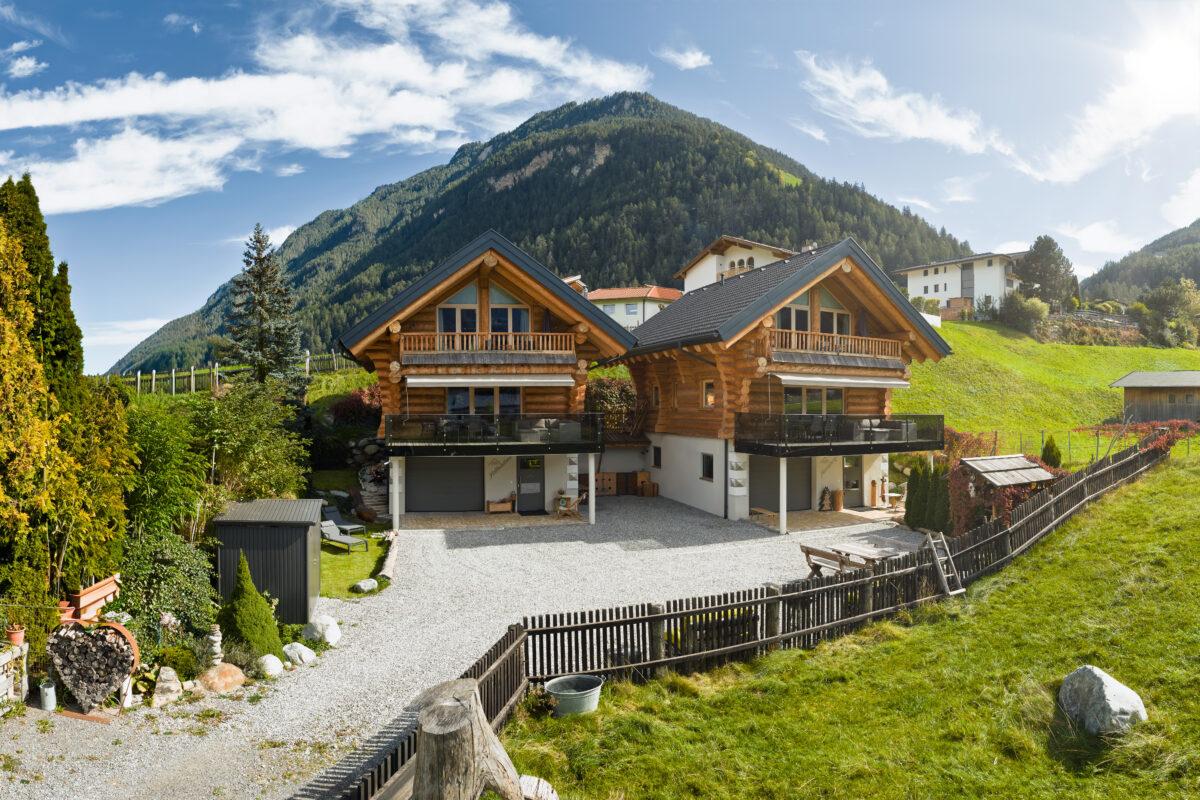
Canadian log cabin-style vacation homes
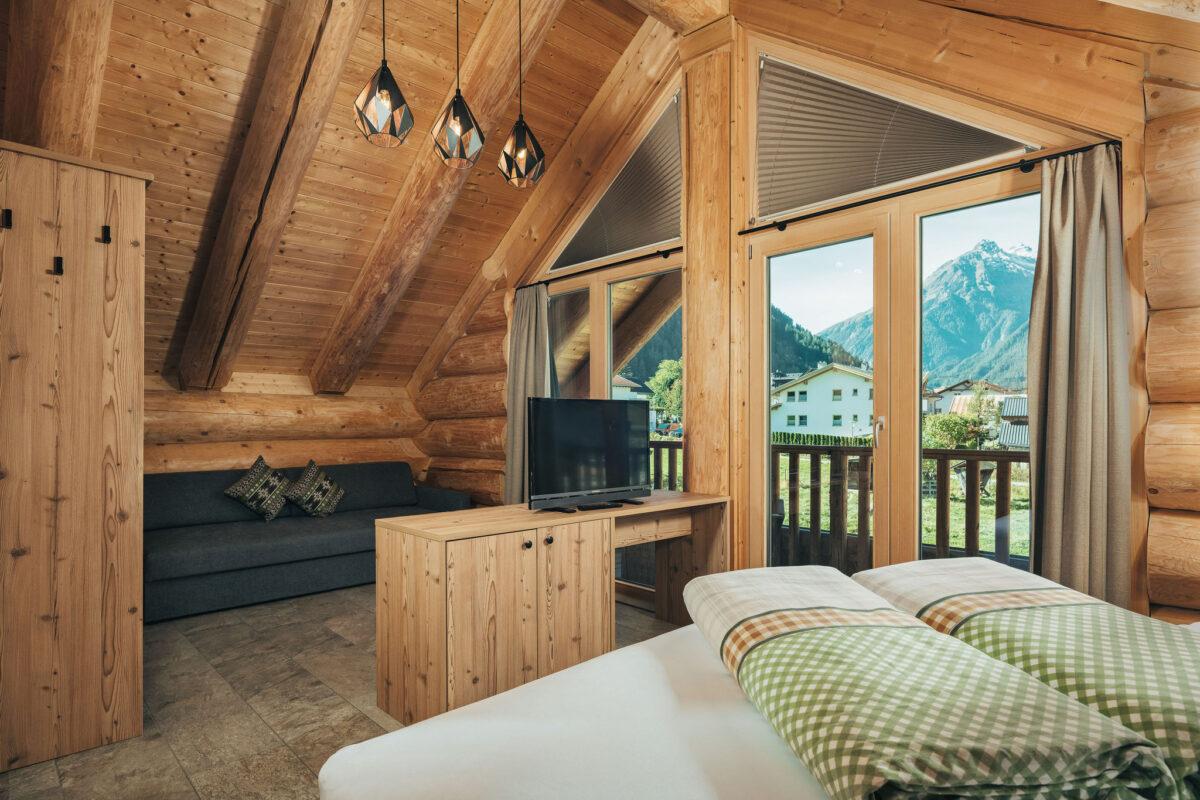
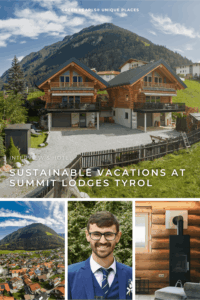
GTB: You built two vacation homes out of solid natural logs—an architectural style more common in North America than in Europe. How did you come up with this idea?
Marco: After completing my training, I traveled often to North America and became fascinated by natural building styles. Over time, I began exploring the topic of sustainable building styles more and more, from clay houses to straw- and wood-framed buildings.
When we finally decided to build our two chalets in Pfunds in 2017 and opted for a sustainable concept, it was clear that only a Canadian log cabin could meet our requirements for the climate in our mountain region.
GTB: What kind of vacation experience do you want to offer your guests—and how does it differ from traditional alpine tourism?
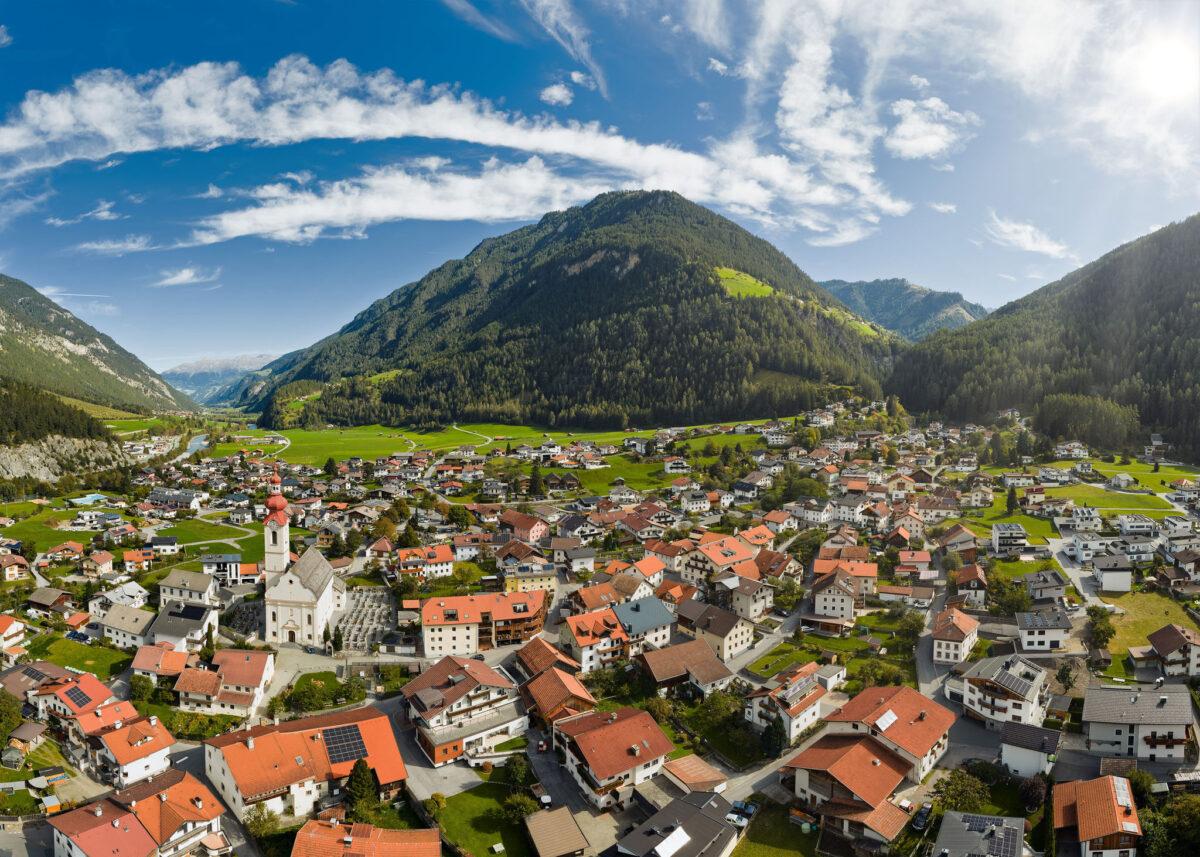
Marco: We want to offer our guests a relaxing time surrounded by nature. Pfunds, with its stunning landscapes in the Pfundser Tschey and Radurschltal valleys, is the perfect place to do so.
Nature vacation in Pfunds
I always tell our guests that what sets Pfunds apart from other regions is that life here still follows a different rhythm. Our region is deeply rooted in tradition and culture. The charm of “old” Tyrol has been preserved here.
GTB: How does that show?
Marco:The alpine pastures are still farmed the same way they were when tourism first began. The people are warmhearted but conservative, and Tyrolean hospitality is alive and well. In the alpine pastures, you can still sit at a regular’s table and have a genuine conversation with the locals. As we say, “An Huangart off tia.”😊
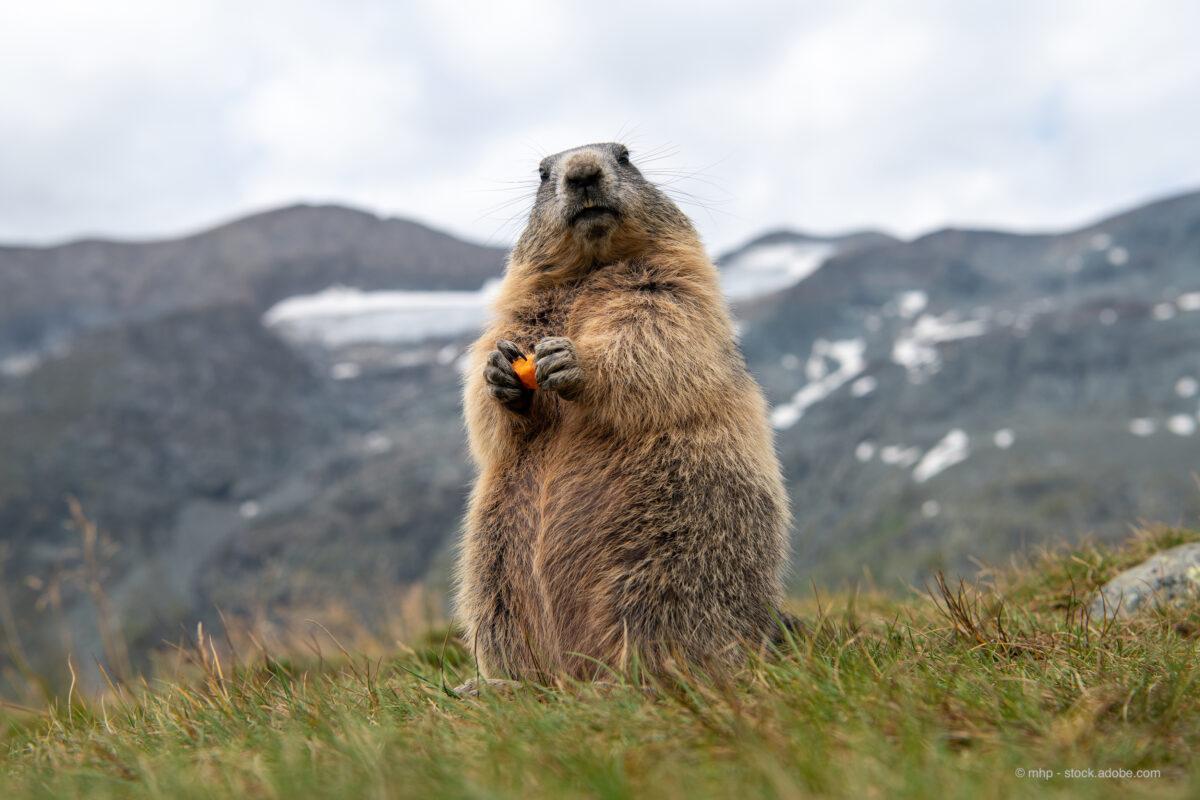
The hiking trails are not yet overcrowded; sometimes you can hike for three hours and see nothing but a few chamois and ibex.
GTB: What are your favorite moments as a host? What touches or pleases you the most?
Marco:Many of our guests tell us about their special experiences in nature. They may have seen a bearded vulture circling overhead or a deer suddenly appearing in the forest. Moments like these are what make our region so special.
I am especially delighted when our guests talk about these experiences with such enthusiasm. That’s when we know they’ve truly arrived in our beautiful valley.
Demand less, enjoy more
GTB: That sounds great! Is there anything else you would like all guests to know before traveling to the mountains?
Marco: Many tourists fail to realize that their demands influence regional development.
The new railway line that is being built, or the MTB trail that is being created—all of this is only happening because of the demands of visitors and the desire for more attractions. At the same time, people are becoming increasingly discontent with regions that become too developed or popular, as they are actually looking for peace and quiet and authenticity, not hustle and bustle.
In my opinion, we need to raise awareness among our guests about the limited availability of local resources and how their consumption habits contribute to regional problems.
GTB: So demand less, enjoy more—and book environmentally friendly accommodation—like yours 🙂 With green electricity, waste separation, water conservation, and a commitment to animal welfare and the community, we believe Summit Lodges Pfunds is a positive example of sustainable tourism.
Marco: Thanks for the flowers! I am, of course, delighted to welcome guests interested in sustainability, and I am happy to serve as a point of contact to discuss how tourists and locals can coexist harmoniously in our valley. And how we can work together to preserve the natural beauty for future generations.
Save this Article on Pinterest.

 Loading...