“The best in their field respect what already exists.” That’s how AD Magazine describes an architectural trend that has become a widespread approach: renovating rather than building new. In this context, historic structures are not obstacles but rather a starting point for new ideas. Old walls remain visible, and the building’s past uses are carried forward.
Former monasteries are being transformed into wellness hotels, historic farms into organic retreats, and old architectural eyesores into designer hideaways. Buildings that had essentially lost their original function are being given a new purpose—often with an appreciation for their architectural history, materials, and atmosphere.
Hotels are evolving from mere “places to stay” into “stewards” of architectural heritage.
Why is renovation considered a model for the future
For decades, new construction was considered the ideal in architecture—bigger, more efficient, and more modern. Today, however, there is a growing awareness of the significant amount of resources already contained in existing buildings.
Walls, foundations, roof trusses, and facades store what is known as “gray energy”—the energy consumed during the production, transport, and use of the materials (i.e., construction). If a building is demolished and its materials are disposed of, this energy is lost.
As our understanding of resource use evolves, so does our aesthetic perspective. Visible traces of the past are no longer considered flaws. In fact, architecture that has stood the test of time often feels more authentic than new, flawless buildings. Old vaults, historic rooms, natural stone walls, and original wooden beams tell stories that new buildings simply cannot replicate.
Hotels are particularly well-suited for this type of transformation. They can preserve historic buildings in a cost-effective manner while making them accessible to the public. Former monasteries, farmsteads, and manor houses that would otherwise stand empty are put to use again, thereby remaining part of a region’s cultural memory.
Are renovations really more resource-efficient than building from scratch?
Yes. This has been pointed out by numerous studies and expert organizations. Above all, preserving existing structures is crucial.
Pros:
- Preservation of gray energy: Existing buildings contain a significant amount of energy from the production and construction of their materials. Demolition destroys these resources.
- Less construction waste: The building sector generates large amounts of waste. Demolition and new construction result in significantly higher material consumption than renovations.
- Lower emissions over the life cycle: According to studies by the Wuppertal Institute, renovating a typical apartment building to be energy efficient generates about half as many CO₂ emissions over its entire life cycle as constructing a new building.
- Land conservation: Renovations often do not require additional land sealing.
- Preservation of cultural identity: Historic buildings shape townscapes and regional architectural culture.
The German environmental organization Deutsche Umwelthilfe criticizes the fact that thousands of buildings in Germany are demolished each year without first assessing the impact on the climate and resources.
Pressure on the construction industry is growing internationally as well. According to the World Economic Forum, the building sector accounts for approximately 40 percent of global greenhouse gas emissions. Due to ongoing population growth, an enormous amount of new living space will be needed by 2060. If all of this space were to be built from scratch, we would need a new major city every month, which would have enormous negative environmental impacts.
Monastery Hotels: Where spiritual architecture lives on
Monasteries are historic buildings. For centuries, they served as centers of Christian spirituality, as well as places of learning, healing, agriculture, and hospitality. However, the era of monasteries has come to an end. Worldwide, the number of monks and nuns has dwindled to nearly nothing.
What will happen to these facilities, many of which are listed buildings?
Converting former monasteries into hotels is considered (which surprised me during my research for the article on monastery hotels) a “best-case” scenario. The Catholic Church permits the sale of such buildings only for a “venerable use.” And hotels that visibly preserve the monastic heritage are expressly welcomed. (The Church obviously views things like wellness centers with “clothing-optional areas” or rooms for unmarried couples differently today than it did in the Middle Ages.)
Hotel Klosterbräu: From an Augustinian monastery to a wellness hotel
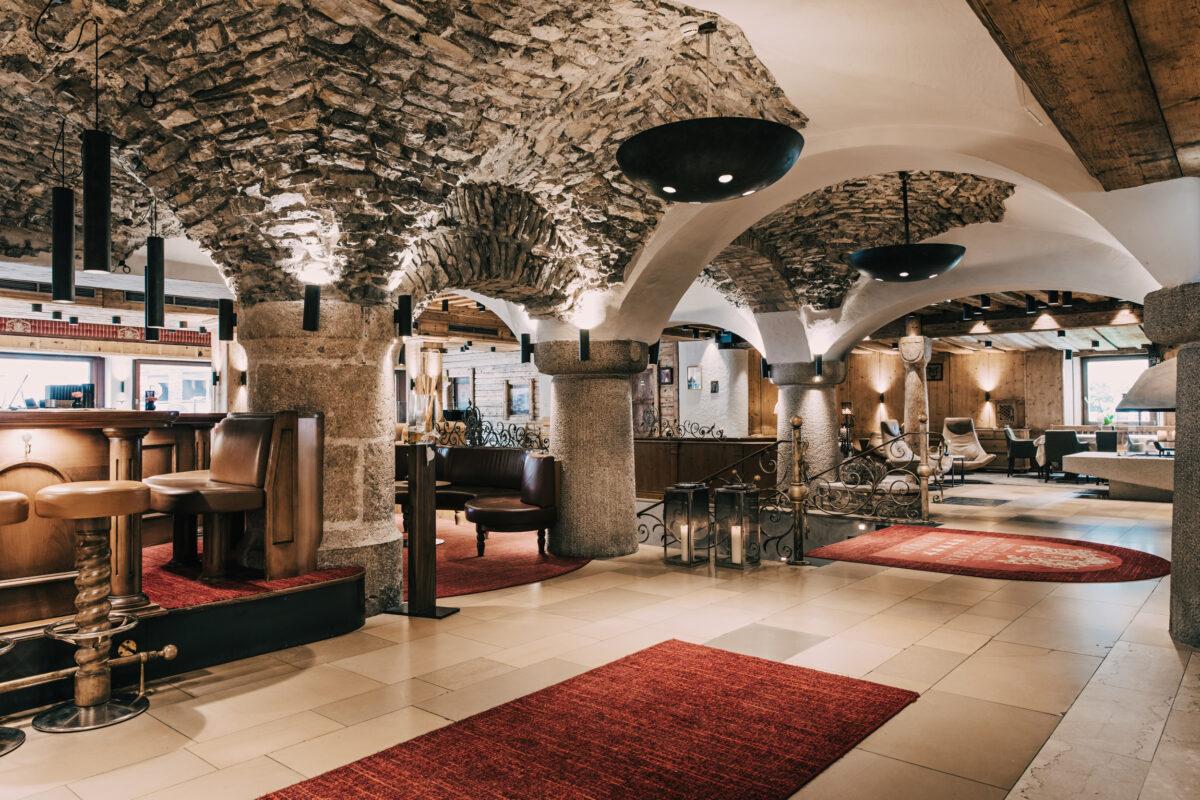
The Hotel Klosterbräu in Seefeld, Tyrol, is a striking example of a historic building being put to new use. Originally, the building was an Augustinian monastery founded in the early 16th century. Even back then, it accommodated pilgrims.
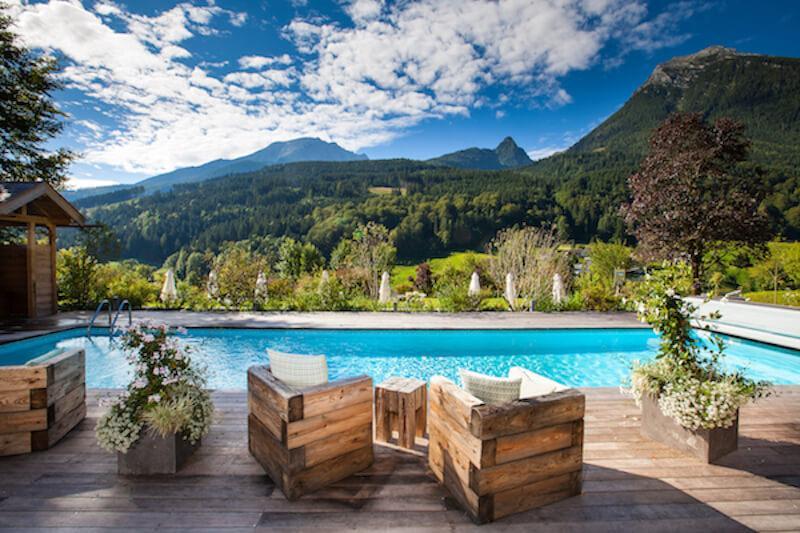
Today, it is a five-star wellness hotel. Many architectural elements of the monastery have been preserved, including the vaulted cellar, original masonry, and the former monastery bell, which now hangs above the outdoor pool.
The brewing tradition has also been preserved. This ensures that a part of the building’s intangible history remains visible, not only its architecture.
Klosterhof – Alpine Hideaway & Spa: Architecture for Well-Being

The four-star superior Klosterhof Alpine Hideaway & Spa hotel in Bayerisch Gmain was once part of an Augustinian monastery. The historic structures of the former monastery date back to the 16th century.
A connecting thread to the hotel’s history is medicine. Dr. Andreas Färber, the host, has incorporated a medical wellness center into the hotel, offering a modern take on the healing traditions for which many monasteries were once renowned.
Green Spirit Hotel Le Pavillon in Paris: A former convent
In the heart of Paris’s 7th arrondissement is the Green Spirit Hotel Le Pavillon, a converted convent. The building dates back to the 19th century.
Especially in Paris, where convents have shaped the cityscape for centuries, places like this reveal a great deal about the city’s history. Rather than standing empty, this historic building remains part of urban life and offers a peaceful retreat in the heart of the city.
Castle Hotels: After decadence comes preservation
Castles are monuments to past power structures. They symbolize wealth, prestige, and dominance. Of course, sustainability was not a consideration when such estates were constructed.
Yet, it is difficult to imagine them being demolished. Castles are not just buildings; they are cultural artifacts of their time. However, many could not be preserved without tourism.
Schloss Lerchenhof: Lovingly preserved by the family
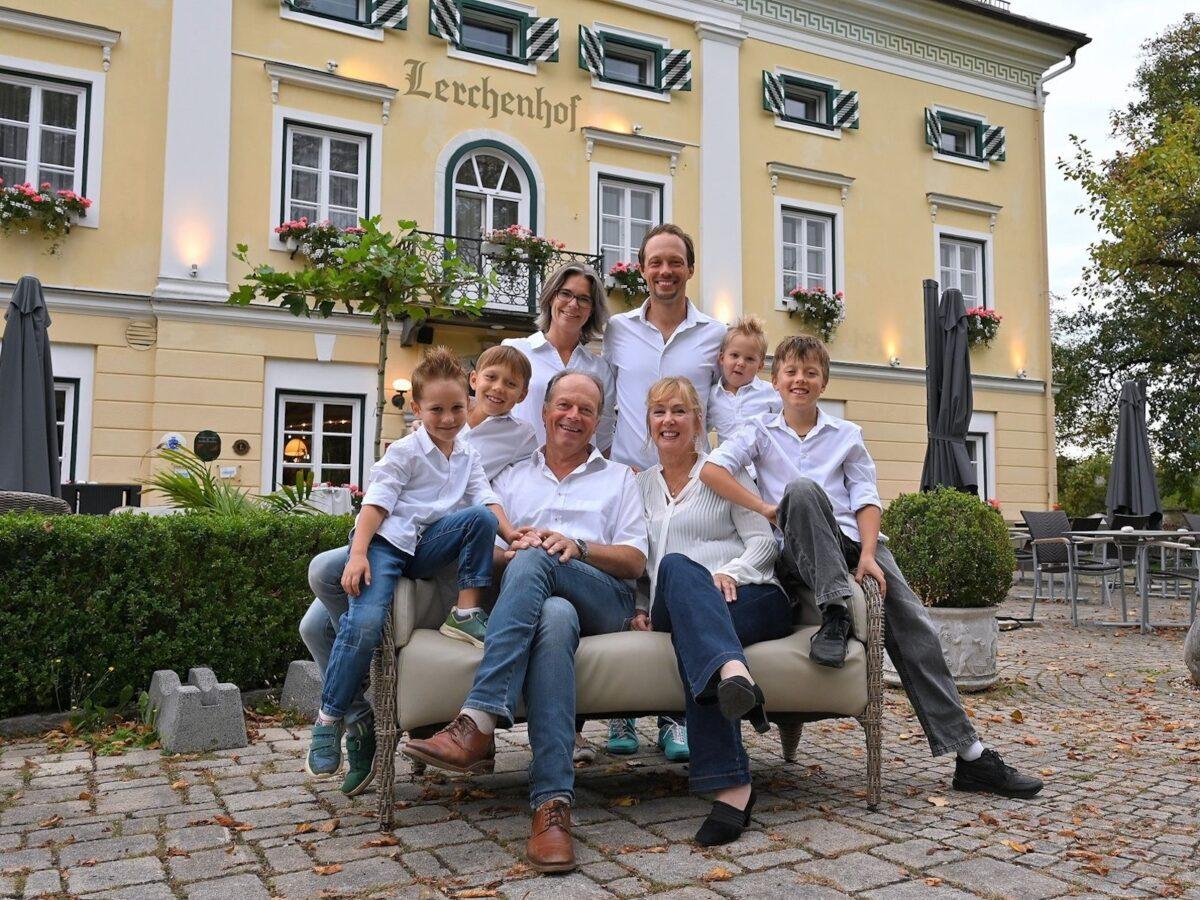
The Steinwender family, who run Schloss Lerchenhof in Carinthia, are committed to innovation and preserving historical monuments.
When you stay at this boutique hotel, you’ll see the historic castle façade and walk through a historic staircase to reach your room.
It’s not just prestigious rooms like the library that are still in use, though. The former cowshed is now a stylish ballroom. The historic structure has been preserved, but its use has changed completely.
- If you want to learn more about the castle’s history—it’s a great, slightly scandalous love story—read this blog post.
Inkaterra La Casona: A mansion turned boutique hotel
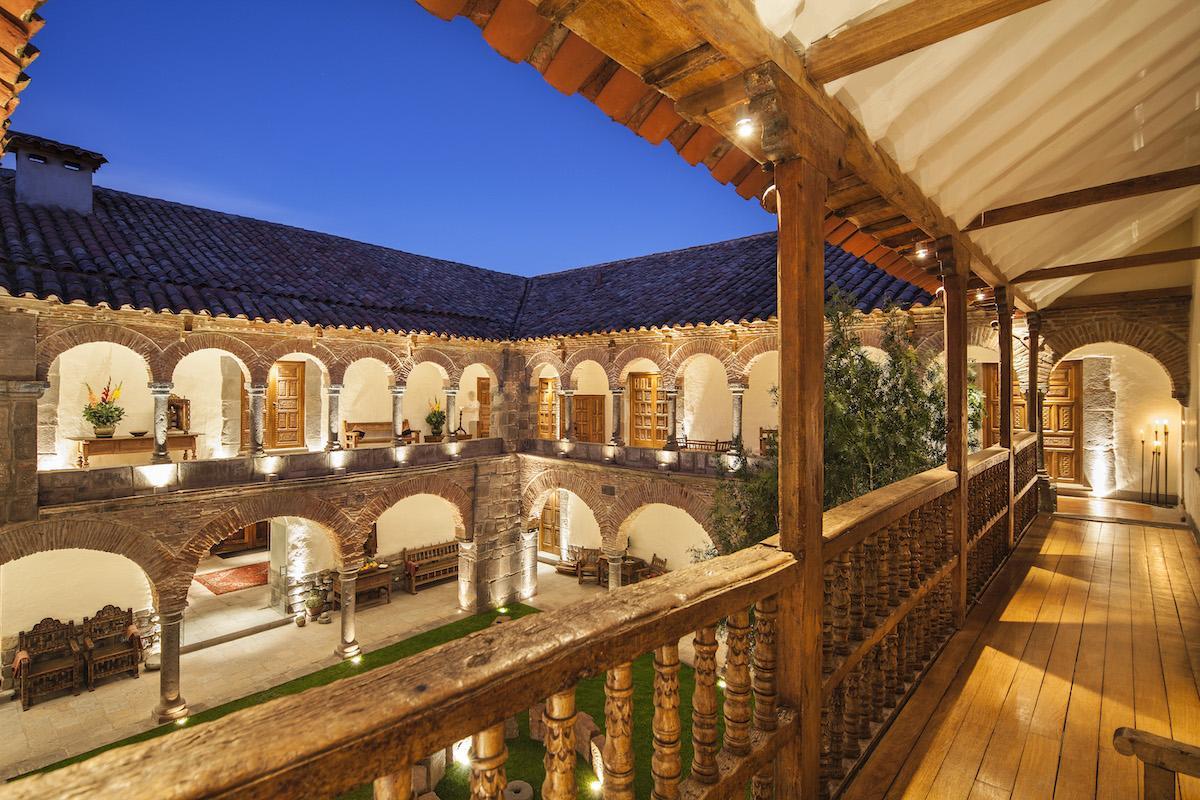
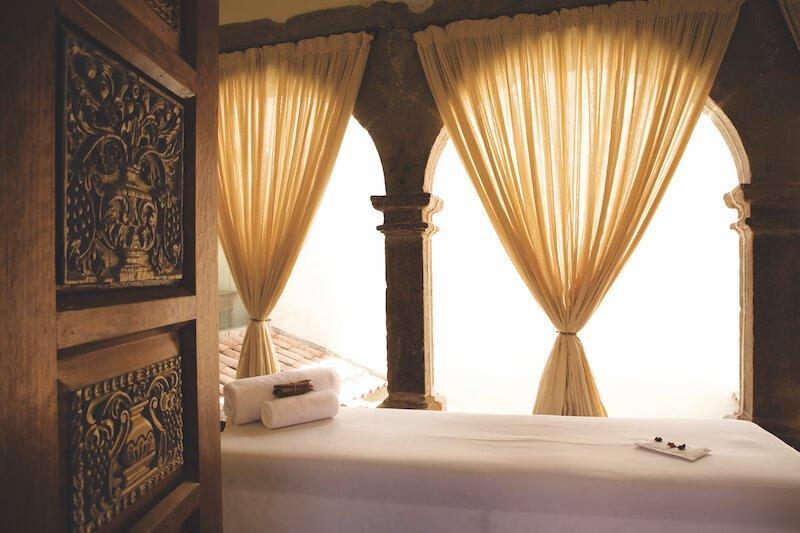
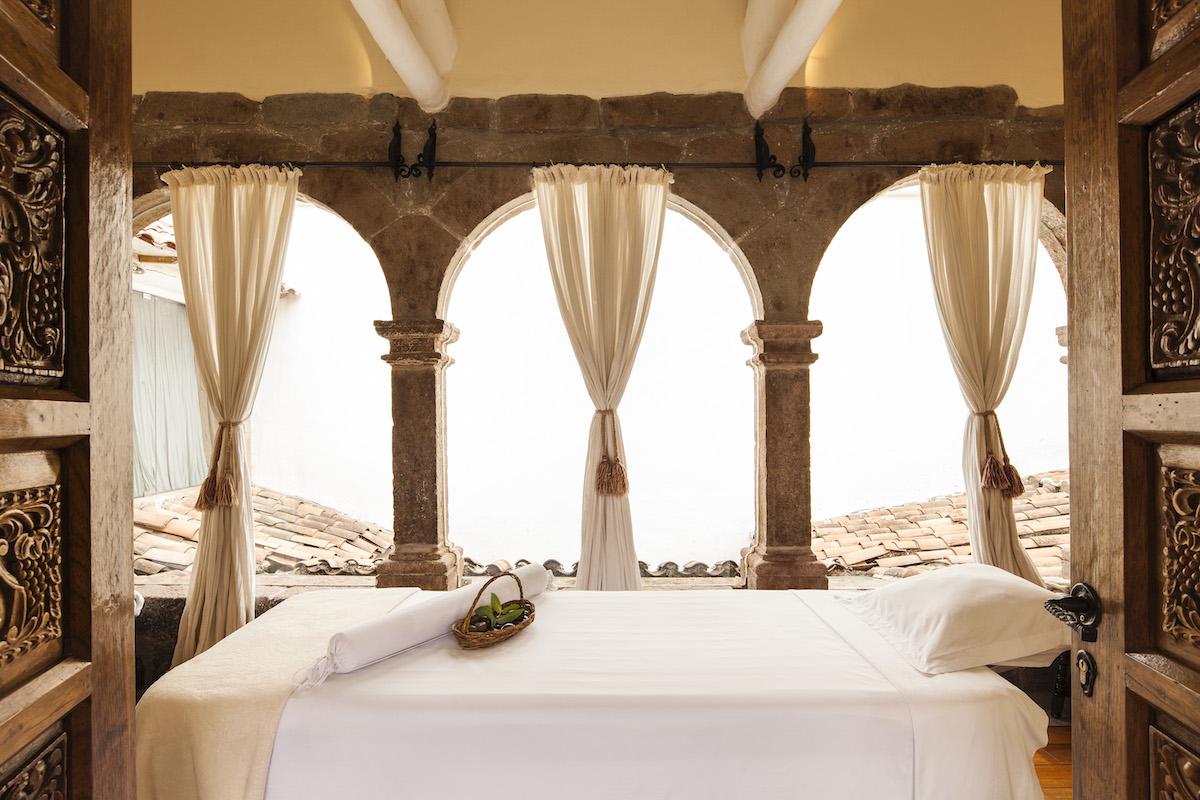
The Inkaterra La Casona in Cusco may not be located in a castle, but it is situated on the ruins of former Inca structures and was built in a significant 16th-century mansion. Spanish conquistadors, such as Diego de Almagro, once lived here. Later, the liberation fighter Simón Bolívar also resided at La Casona.
The house has been carefully converted into a boutique hotel, and thanks to the restored artifacts and ceiling paintings, it feels like a living museum.
Old Farmhouses: Architecture that has evolved over time
For this section, we’ll go far back in history: as humans began to settle down, one of humanity’s oldest and most influential achievements emerged—agriculture. Over thousands of years, food cultivation and animal husbandry shaped not only landscapes but also architecture. Nearly every region developed its own rural building traditions—adapted to the climate, materials, and working methods.
The classic farmstead rarely consisted of just a single building. Rather, a functional complex of buildings emerged, comprising a dwelling house, stables, barns, granaries, and workshops. As a result, the architecture often reveals what kind of farm was once operated there.
In Germany alone, for example, the following distinctions can be made:
- north German hall houses with a large central utility room,
- Alpine single-farmsteads with living and stable areas under one roof,
- four-sided farmsteads in Central Germany that form an enclosed courtyard,
- or South German manor farms with stately residential wings and farm buildings.
While functionality was naturally the primary focus, these structures also showcased craftsmanship, good taste, and a sense of regional identity. Of particular interest are roof shapes, windows, ornaments, carvings, paintings, and other decorative elements.
Gut Sonnenhausen: Where historic architecture meets contemporary design
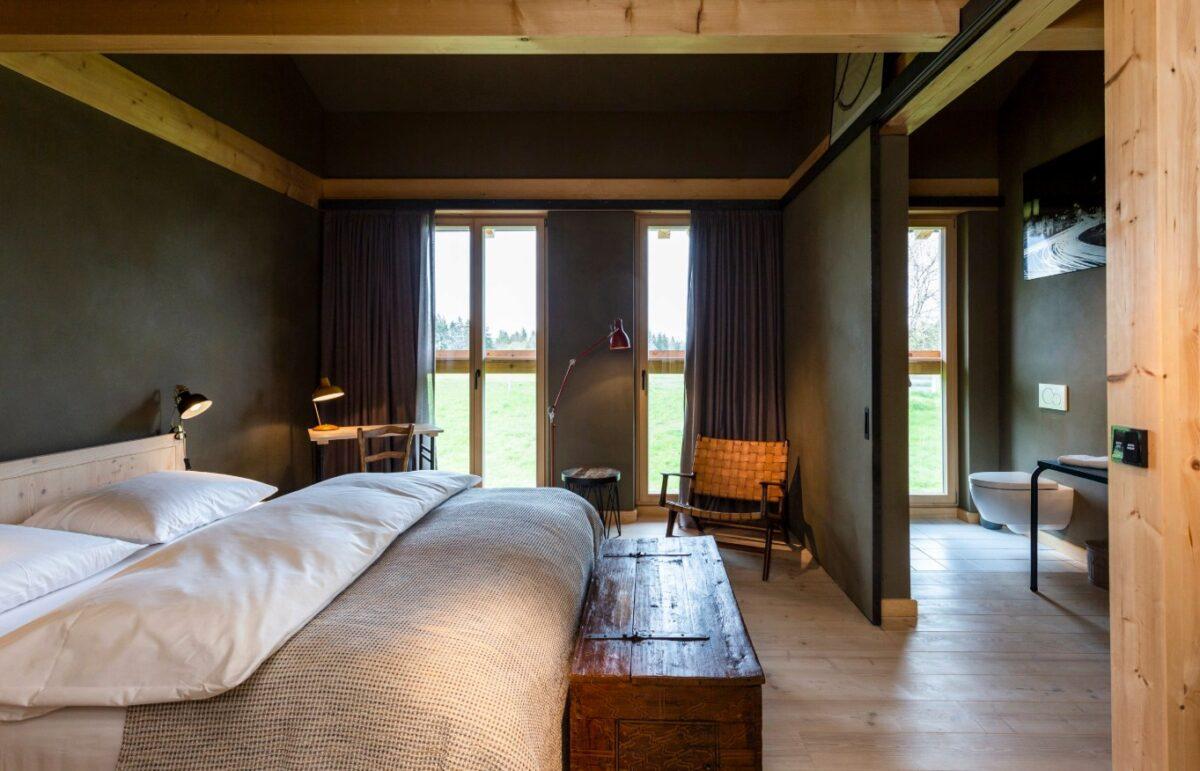
Gut Sonnenhausen, located near Munich, was built in the early 20th century by the Munich architect Wilhelm Spannagel as a horse stud modeled after English designs.
Under the direction of eco-pioneer Georg Schweisfurth, the buildings (including the former stables, riding hall, and farmhouse) were carefully restored and expanded. Various interior designers worked with the existing structure rather than against it. The result is an architecture that deliberately avoids a perfectly homogeneous appearance, combining historical elements, contemporary art, and modern design.
The Stanglwirt: A hotel that has grown over generations
At the Stanglwirt Organic and Wellness Resort in Tyrol, features have been refined over the decades rather than completely replaced.
Rather than a meticulously planned design project, the hotel is an organically evolved complex with 400 years of history. The Hauser family also calls it home. In fact, the senior partner was even born in one of the rooms. For generations, organic farming with cows has been an important part of the luxury hotel, and the hotel serves its own dairy products at breakfast.
Guests feel “right at home” here. This is very important to the hosts. Equally important to them is their self-image as farmers first and foremost and as hosts and owners of one of Tyrol’s most famous hotels only incidentally. 🙂
Albergo Diffuso: How entire villages are being saved
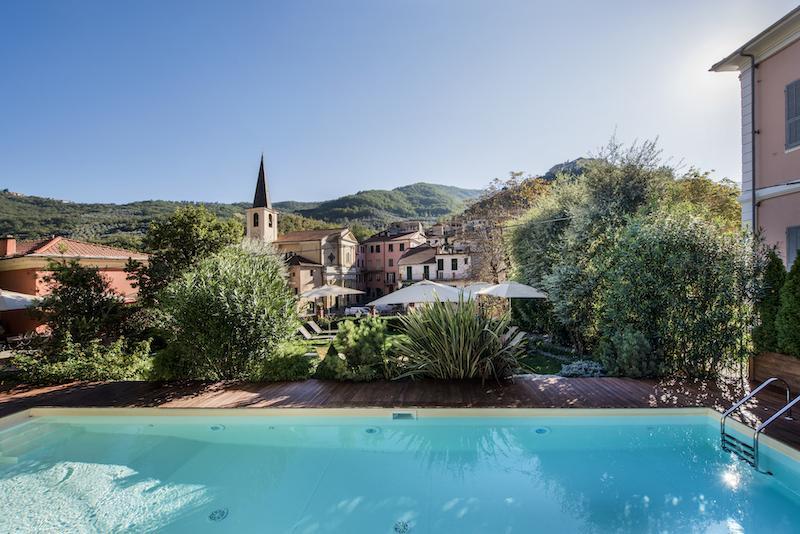
The rural exodus is a problem in many villages. Young people move to the cities, where their children grow up. The villages fall into disrepair. Vacant buildings and closed shops are common. This situation gave rise to the concept of the Albergo Diffuso, or “scattered hotel.” Rather than building a large hotel, several existing houses in a village are converted into guest accommodations. This type of hotel is especially popular in Italy, as it saves unused buildings from decay while providing guests with an authentic Italian experience.
Relais del Maro: A hotel made up of old village houses
The Relais del Maro in Liguria is an example of this concept in action. Elena Scalambrin, the host, transformed several of her family’s residential and commercial buildings into a four-star hotel. The main building, for instance, used to be a butcher shop. Today, it houses a breakfast terrace and a pool.
What’s exciting is that it’s not just the buildings that are preserved. The village itself benefits as well. Guests bring new life to local cafés, restaurants, and shops, helping to keep small towns alive.
When old hotels are reimagined
A building doesn’t have to be historically significant to be radically transformed—even a structure from the 1970s can be.
Lifestyle Resort Zum Kurfürsten: From bus hotel to wellness resort
Today’s Lifestyle Resort Zum Kurfürsten on the Moselle began as a simple, zero-star budget hotel. Owner Heiner Buckermann gradually transformed it—including adding his own TCM center. Rather than tearing it down, Buckermann completely repositioned the property within its existing structure.
STURM in Mellrichstadt: From a 1970s-era brick building to a design hotel
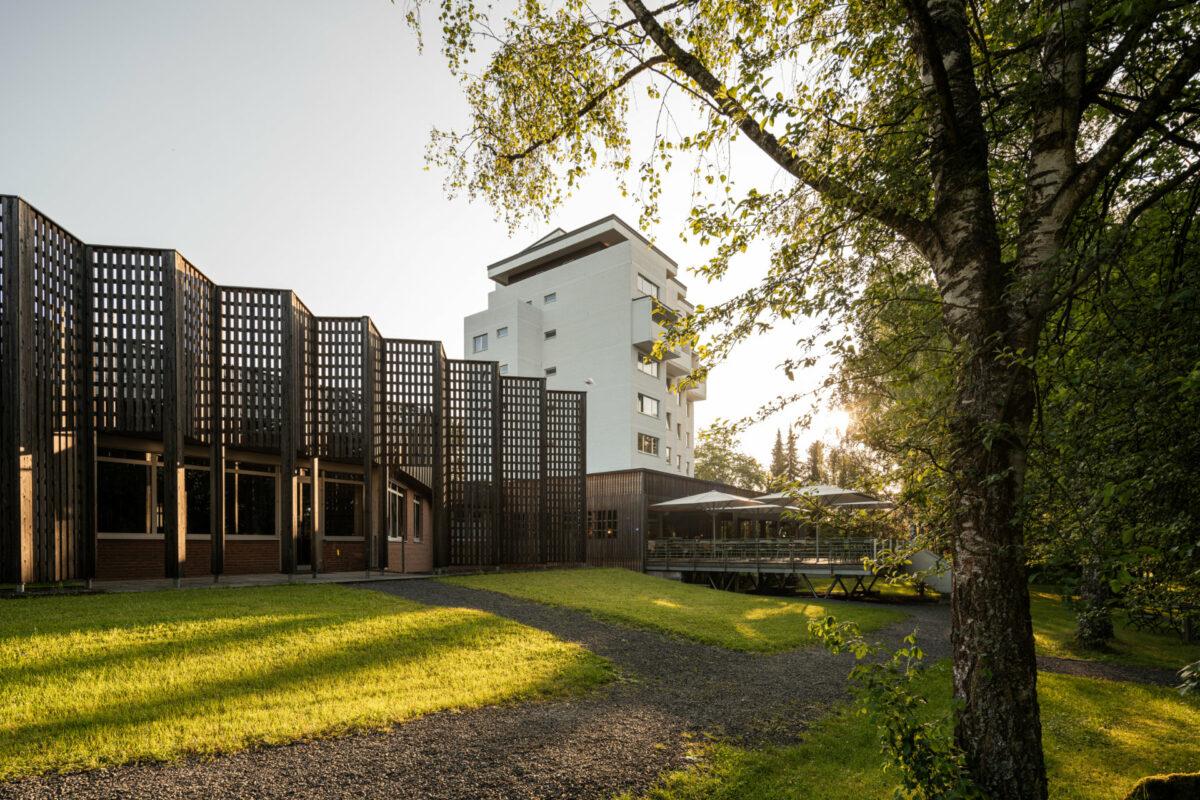
The STURM in Mellrichstadt is a striking example of how existing buildings can be transformed.
Built in the 1970s, the hotel was originally a typical brick building near the former inner-German border. Together with architect Prof. Matthias Loebermann, current owners Christa and Matthias Schulz Dieckhoff transformed it into a design hideaway. Christa is the daughter of the hotel’s builder, and she and her two sons, Xaver and Julius, represent the third generation actively involved in the hotel.
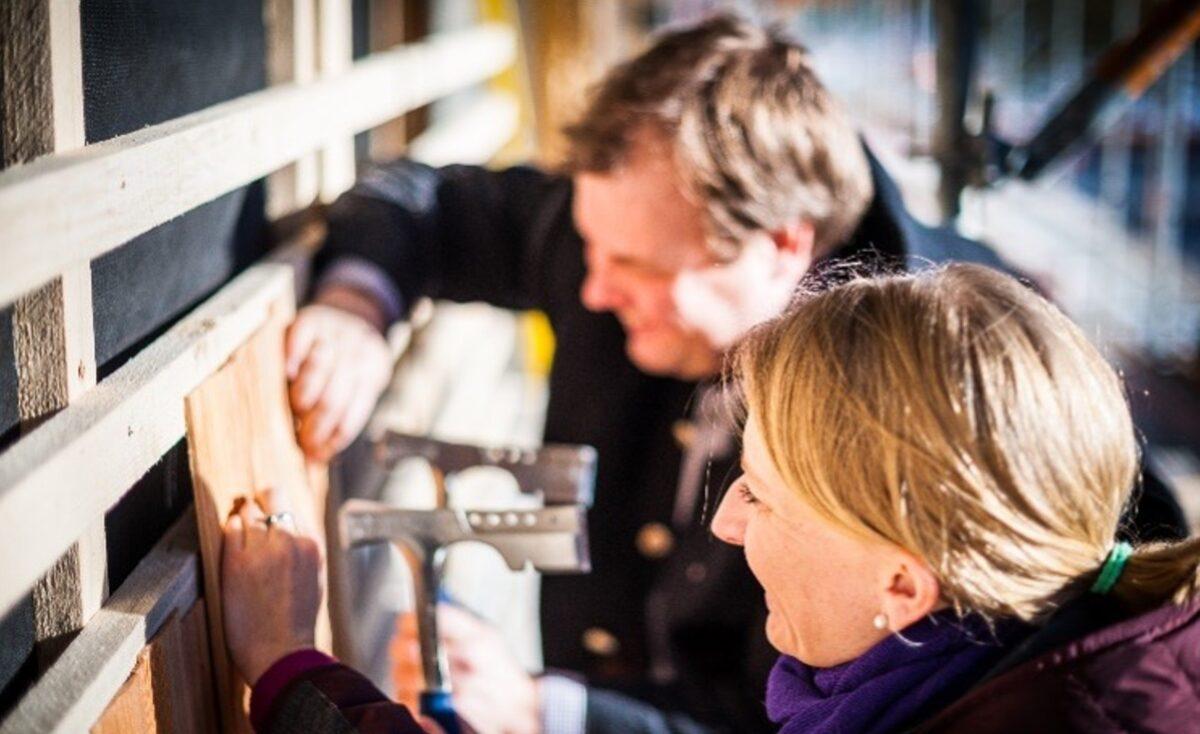
Twenty-two craftsmen removed each clinker brick by hand. They gave the façade a natural finish using whitewashed lime slurry. In front of the façade stands a wooden screen, one of Loebermann’s signature pieces.
Inside, the hotel also relies on clay plaster, wood, and careful modernization rather than radical renovation. In the restaurant, old ceiling elements were not removed, but rather, painted black to make them visually recede.
Other hotels that have chosen to renovate instead of tear down
Many other Green Pearls® hotels demonstrate just how many different ways there are to approach renovation:
- The Paradiso Pure.Living Vegan Hotel in South Tyrol was renovated using natural materials, such as lime plaster, stone, and wood, rather than being rebuilt from scratch, in accordance with strict UNESCO guidelines. Located at an altitude of over 2,000 meters on the Seiser Alm, the hotel sits within the UNESCO-protected Dolomites.
- Hotel Korinjak in Croatia focuses on the creative reuse of materials, such as furniture made from recycled wooden pallets.
- The Naturhotel Outside in East Tyrol expanded its wellness area with regional materials, including larch wood, clay, and local natural stone.
- During its closure time, the APIPURA hotel rinner in South Tyrol is adapting historic walls for new rooms.
- The Weiherhof redesigned its rooms according to the cradle-to-cradle principle.
- The Hotel Luise in Erlangen has experimented with recyclable materials, upcycling, and renewable raw materials for years.
By the way, all of the hotels mentioned are family-run. This means that the children have taken over the hotel from their parents (and sometimes grandparents).
What we can learn from hotels
Renovating is often more complicated than building from scratch. Old walls may hold surprises, preservation regulations may limit options, and historic floor plans cannot be altered at will.
Therefore, preserving the old is challenging, but worth it for the environment. Moreover, history lives within the walls, creating a special atmosphere.
Today, the most exciting hotels are not always built from scratch on greenfield sites, but rather in places where people lived and worked long before us.
Save this article on Pinterest.


 Loading...