Jetsetting is the exact opposite of responsible travel. The term describes a “high society” that flies to exclusive, far-off locations – far removed from the local people. But what exactly is set-jetting? Visiting destinations made famous by movies or TV shows is an ongoing trend in the travel industry, now dubbed “set-jetting” (a play on “jetsetting”).
Whether you’re a fan of major franchises or niche indie films, seeing the locations of famous scenes or iconic moments in person might be a factor in your choice of destination. Sounds straightforward at first, right? Not necessarily. In this blog post, we’ll show you not only the critical side of set-jetting but also locations and film sets that you can visit with a minimal environmental footprint. And maybe you’ll be just as surprised by some of these places as we were!
The Case of Maya Bay: When set jetting goes too far
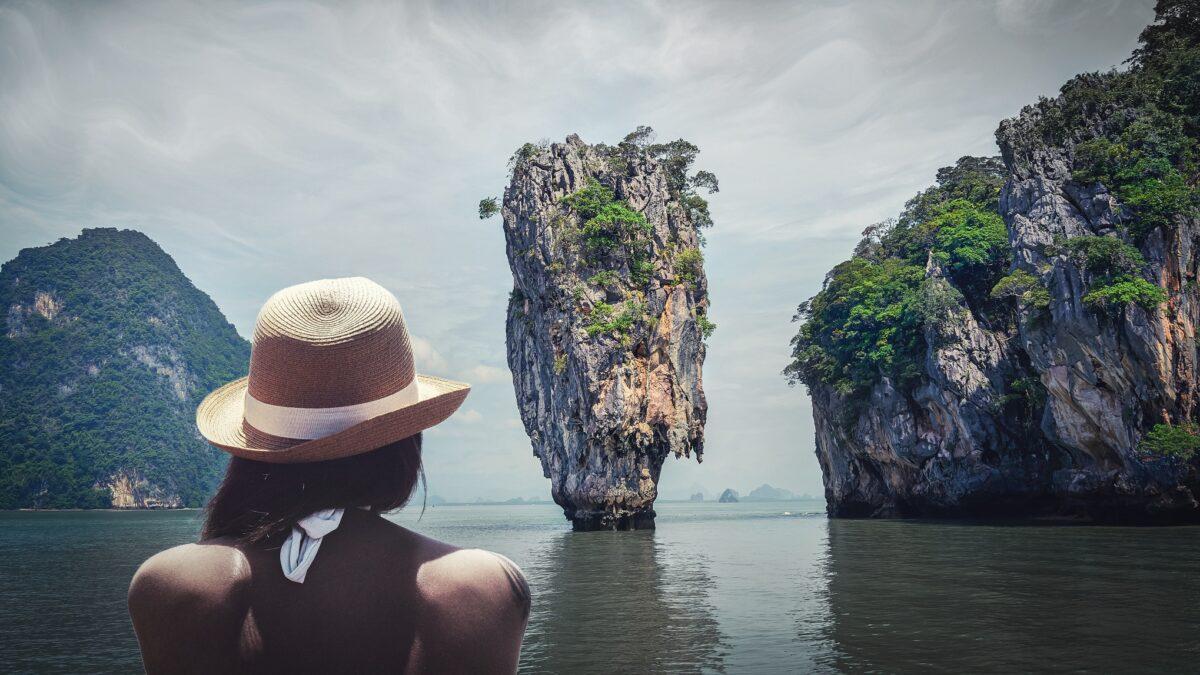
Some places have become so famous because of movies that they can barely withstand the resulting surge in visitors. A striking example is Maya Bay in Thailand. This small bay on the island of Koh Phi Phi gained worldwide fame as an “untouched island paradise” after appearing in the Hollywood film The Beach, starring Leonardo DiCaprio.
At peak times, Maya Bay received up to 5,000 visitors daily. The consequences were severe. According to Thai authorities, around 90 percent (!) of the coral reefs were damaged in 2018. The government subsequently decided to close the bay to tourism completely so that nature could recover. Maya Bay reopened in 2022 – but with significantly stricter rules and a tightly regulated flow of visitors.
This is what Maya Bay looks like in 2026
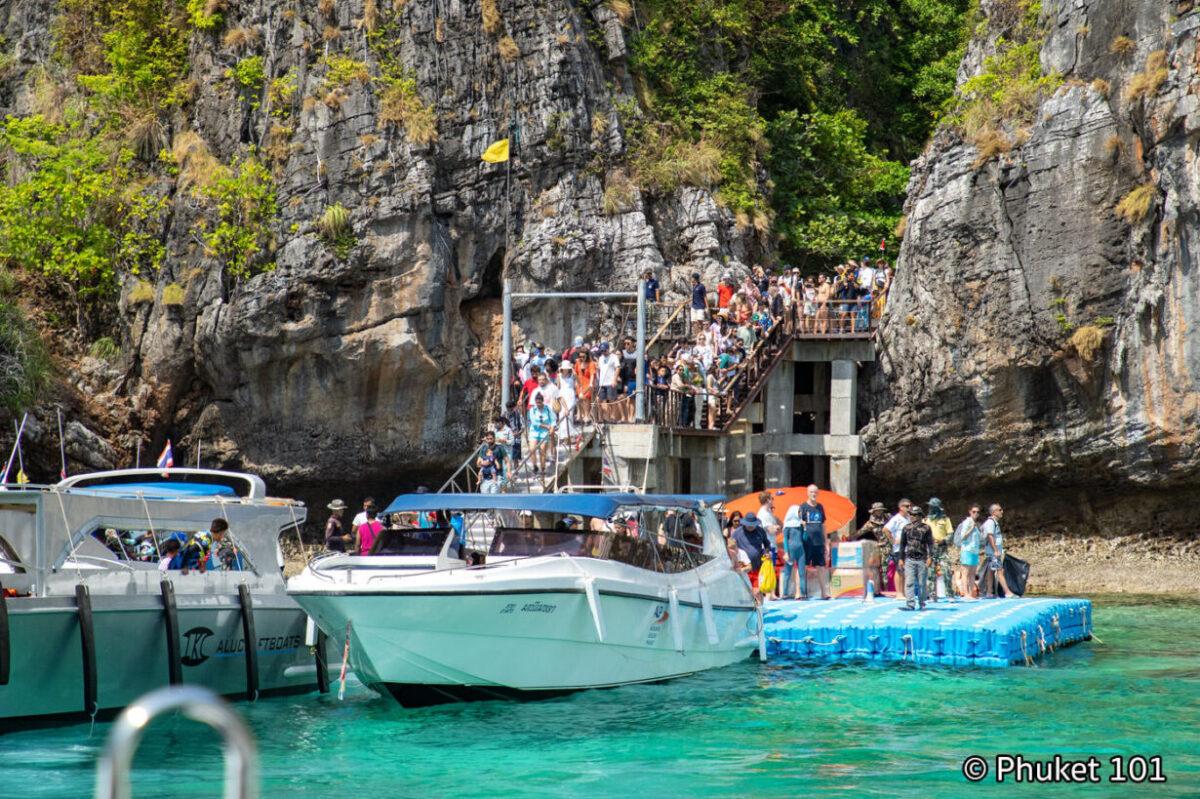
Travel blogger Willy Thuan describes the current regulations for visiting on Phuket101: he visited the bay in the 1990s (before the movie craze) and returned in 2026. He reports on the large crowds on the jetties, ranger announcements over loudspeakers, and the strict regulations in place to protect the natural environment. For instance, visitors cannot swim, touch the coral, feed the fish, or take sand with them. Drone flights are also prohibited without a permit.
Our take on Maya Bay
Maya Bay is a prime example of how film hype can drastically change (and destroy) fragile travel destinations. That’s why we don’t currently recommend the bay as a travel destination. Instead, there are many other coastal towns and island regions in Southeast Asia that are less crowded and where you can enjoy nature in a more mindful way—you can find some of them in our Green Travel Guide for Southeast Asia.
The goal: visit film locations without recreating the situation in Maya Bay.
Cabo Blanco: Where “The Old Man and the Sea” Came to Life
Incidentally, the phenomenon of celebrities making travel destinations popular—and thereby indirectly contributing to the strain on nature and ecosystems—is by no means new.
One example of this is Cabo Blanco on the northern coast of Peru. In the 1950s and 1960s, this remote coastal town was considered an exclusive gathering place for international celebrities, millionaires, and so-called “big game” anglers. Ernest Hemingway spent several weeks here for the film adaptation of his world-famous novel “The Old Man and the Sea”.
Big-game fishing was considered chic
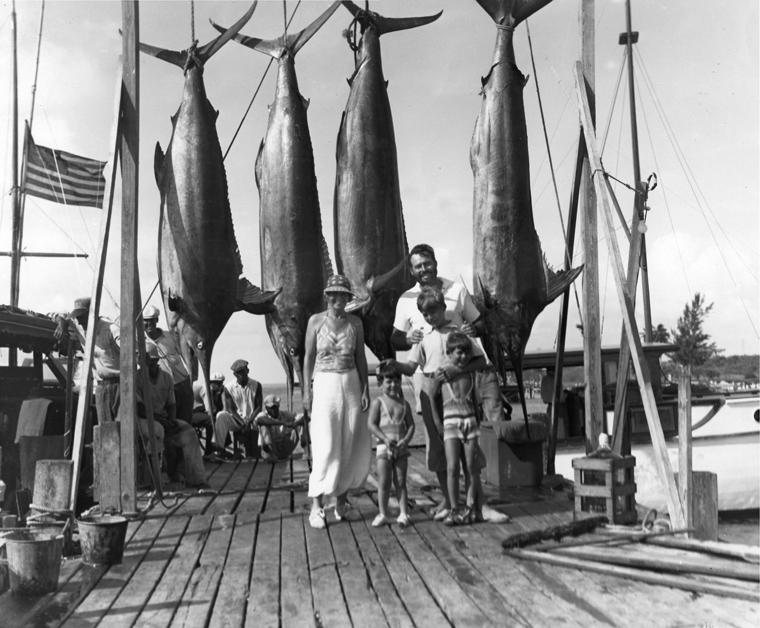
During that time, Marilyn Monroe, John Wayne, and Paul Newman were also staying at the famous Cabo Blanco Fishing Club. However, unlike in the novel, this wasn’t an existential story about a poor fisherman fighting for his survival against a marlin. Instead it was considered chic to catch the biggest fish possible — and, of course, to be photographed with them. Several world records were set, including the capture of the largest blue marlin ever recorded.
This world record will likely remain unbroken forever: The International Union for Conservation of Nature (IUCN) now classifies the blue marlin as “vulnerable.” Populations in the Atlantic, Indian, and Pacific Oceans are considered overfished yet continue to be targeted by fishermen. And we probably don’t need to discuss the ethics of trophy hunting – whether in the water or on land. Today, however, industrial fishing is massively decimating fish populations and putting them under pressure.
It is all the more exciting, then, that Cabo Blanco, a place closely tied to fishing, albeit on a different scale, is now trying to chart a new course.
From a fishing club to marine conservation
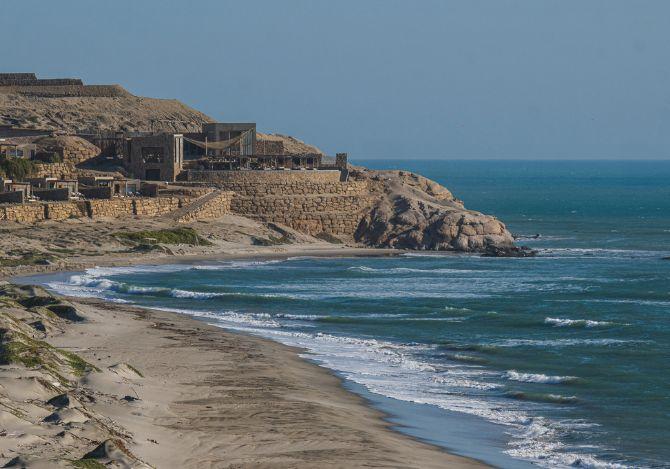
With the Inkaterra Cabo Blanco, a hotel project is taking shape in Cabo Blanco that focuses on nature and marine conservation. The Peruvian hotel group Inkaterra (part of the Green Pearls® network) is combining the area’s eventful history with long-term conservation and research projects.
Inkaterra has been active in the area since long before the luxurious hideaway opened. The “Ocean Forest” project includes scientific research, sea turtle conservation efforts, educational initiatives, and promoting traditional fishing methods. The family-run company also established a private marine reserve directly in front of the hotel.
The restored fishing boat “Miss Texas,” which Hemingway himself used to sail, is part of the concept that bridges the past and the present. Rather than trophy fishing, however, it now introduces guests to the Pacific Ocean and its inhabitants.
Other films that put Peru on the map
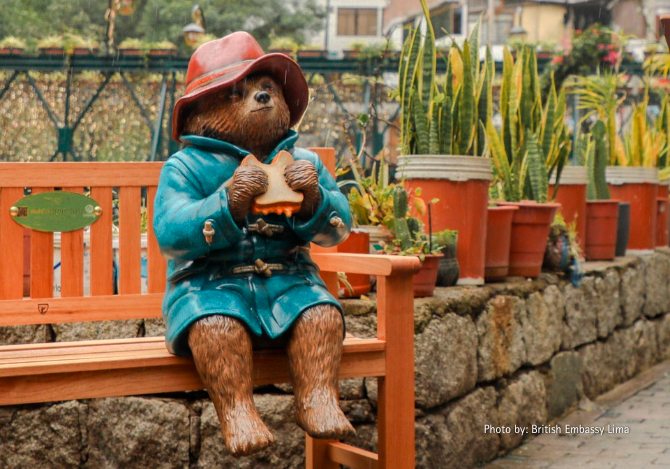
Incidentally, Inkaterra’s history is closely intertwined with the history of Peruvian cinema. Inkaterra founder José Koechlin co-produced the two classic films “Aguirre”, The Wrath of God (1972) and “Fitzcarraldo” (1982), and subsequently chose the first locations for his hotels near the film sets (Inkaterra Machu Picchu Pueblo Hotel and Inkaterra Reserva Amazónica). His connection to film and his efforts to promote his homeland, Peru, on the silver screen were also recognized by “Paddington in Peru” director Dougal Wilson. Paddington even visited Inkaterra (as a statue) together with the British ambassador.
In the footsteps of James Bond
Of course you know James Bond. He’s arguably the most famous secret agent and spy—or perhaps more accurately, hitman?—for England. He’s a playboy surrounded by women, money, and cars. There have already been 25 films, with many familiar faces—such as Sean Connery, Roger Moore, and, most recently, Daniel Craig—playing the role.
According to media reports, the search is currently on for a new face. (There’s an interesting story about this involving Angelina Jolie, who was offered a “Bond girl” role in 2006. She turned it down, saying she could play Bond instead.)
In his films, professional assassin 007 has sped past two of our Green PearlsⓇ partners:
- In James Bond’s “For Your Eyes Only” (1981), Roger Moore (Bond) is chased through the Dolomites on motorcycles and skis. The famous chase scene was filmed not far from the Paradiso Pure.Living Vegan Hotel
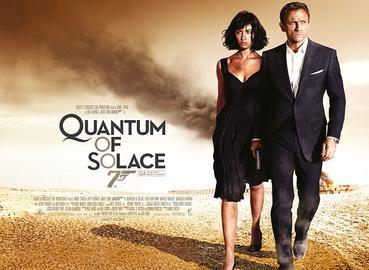
- “Quantum of Solace” starring Daniel Craig as James Bond was partially filmed on Lake Constance. The “Tosca Eye” from the floating stage in Bregenz is clearly visible in the film and is only about 30 kilometers from the Naturresort Gerbehof
Jason Bourne – the new spy legend began in Imperia
Just as the James Bond franchise was experiencing a slump (shortly before the last Pierce Brosnan film), The Bourne Identity filled movie theaters. Hailed by critics as the beginning of a “new era of spy films,” the 2002 film stars Matt Damon.
The film opens with Italian fishermen pulling a man with two bullets in his back out of the Mediterranean Sea. He’s still alive but has lost his memory. It turns out that the CIA had stationed him as an agent in Paris and has now sent killers after him. Unlike Bond, Bourne is a more sensitive and likable character. Instead of futuristic gadgets and flashy special effects, Bourne delivers “hard-hitting, realistic action.”
The movie was so successful that there have already been four sequels, and Bourne 6 is in the works. The James Bond films starring Daniel Craig are also said to have been inspired by Bourne—in that Bond now sometimes shows emotion and the fight scenes seem more “realistic.”
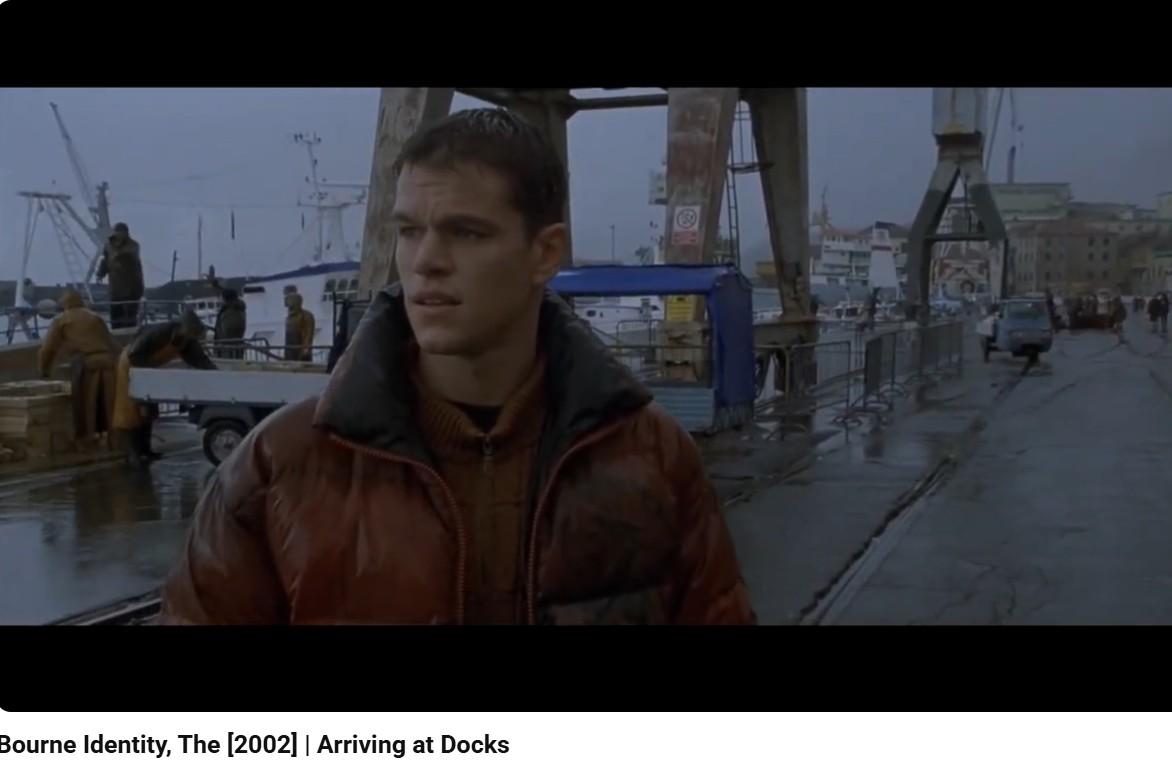
And where did this new era of spy films begin? In the Old Port of Imperia, Liguria, where the Albergo Diffuso Relais del Maro welcomes guests. (Well, almost—the hotel is actually located in the quieter village of Borgomaro.) In the opening scene, when the agent is discovered and brought ashore at the pier, Bourne actor Matt Damon walks along the harbor of Imperia looking confused.
German TV series
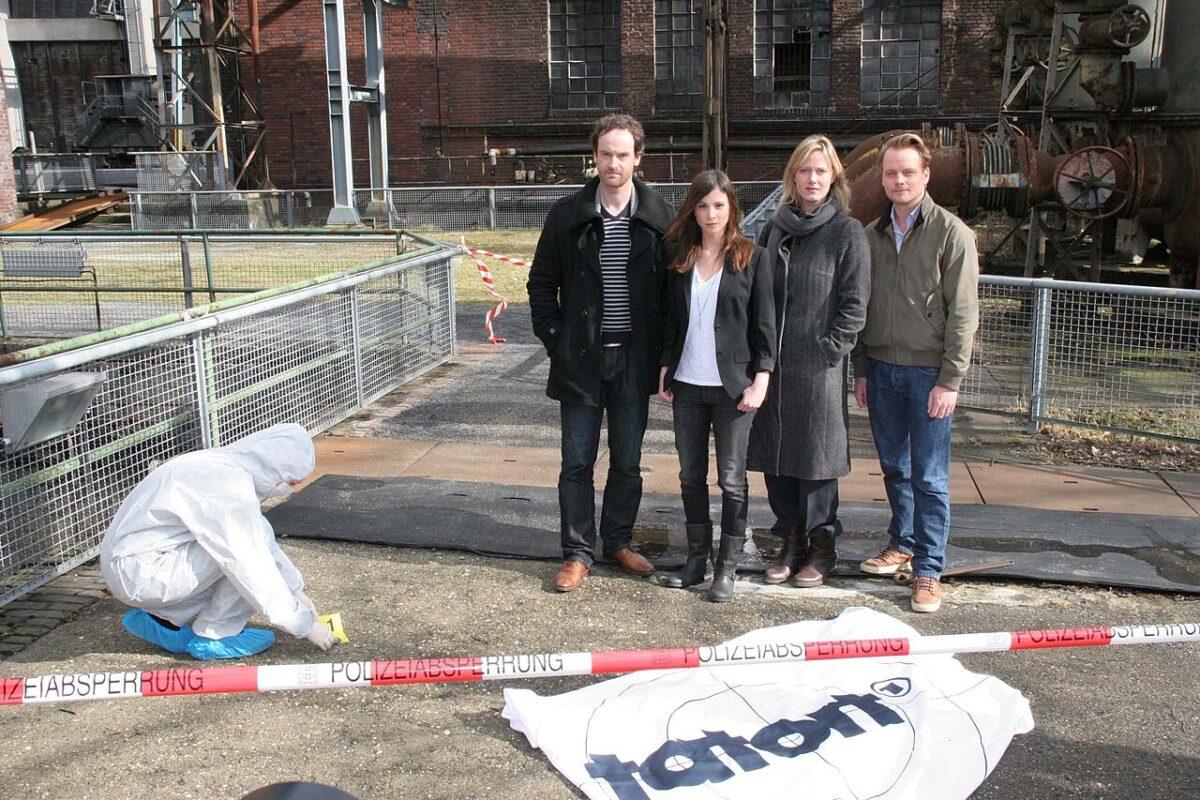
#1 TATORT – Germany’s cult crime series has become a window into the country
If you want to understand Germany, you should watch at least one episode of “Tatort.” The crime series has been airing every Sunday evening on ARD since 1970 (except during the summer break) and has long since achieved cult status. Millions of people watch it regularly, discussing the perpetrators in their living rooms and online, or even getting together for “Tatort public viewings.”
What makes it special: Each region tells its own crime story and has its own main characters. Whether Hamburg, Vienna, Münster, or Lake Constance—every city brings its own investigators, dialects, and settings to the table. As a result, “Tatort” has almost incidentally become a cinematic tour of Germany. Many fans rediscover regions they barely knew before and then visit them on their next vacation.
“Tatort” in Erlangen
The Franken-Tatort episode was filmed in Erlangen, among other places—right where the Hotel Luise now stands, with its “circular hotel rooms.” Host Benjamin Förtsch recalls, “The police station was right across the street.” One scene was also shot almost entirely in Erlangen. There are plenty of familiar corners and buildings to spot here. The episode “Der Himmel ist ein Platz auf Erden” (2024) was filmed at the University of Erlangen, the Justizpalast, and on Fürther Straße. In 2026, numerous streets in Erfurt were closed again for filming. NN.de reports on the filming locations.
Tatort Lake Constance
Lake Constance is one of the most famous settings for the German crime drama series Tatort. Its harbors, Alpine panoramas, and small lakeside towns lend a special atmosphere to the cases. From 2002 to 2016, the Lake Constance “Tatort” detectives, Klara Blum (Eva Mattes) and Kai Perlmann (Sebastian Bezzel), solved 28 cases. The Naturresort Gerbehof is not far from the filming locations.
Tipp: 2026 ist ein neues Kommissarinnen-Team am Bodensee gestartet. Allerdings nicht vom Tatort, sondern jetzt von der freitäglichen ZDF-Serie “Mordufer” (unter dem Link kannst du die letzte Folge streamen und im Hintergrund die Bodensee-Kulisse sehen).
Tatort in front of an alpine backdrop
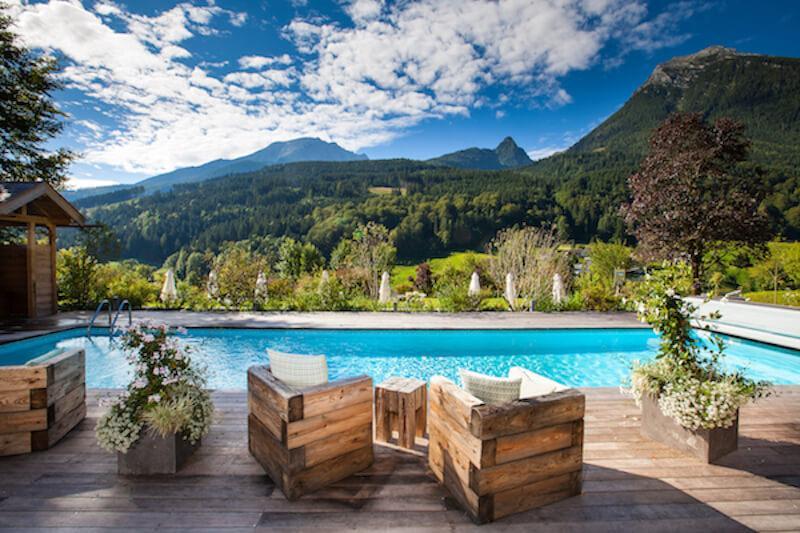
Berchtesgaden also served as a filming location for the TV series “Tatort.” The region, with its mountains, lakes, and historic buildings, naturally provides an almost cinematic atmosphere. The Klosterhof – Alpine Hideaway & Spa is located nearby. Among the well-known locations is the “Bridge in the Forest” between the mountaineering village of Ramsau and Bad Reichenhall. You can find out more about the locations at Filmregion-Berchtesgaden.
- Do you feel like watching Tatort now? You can find many Tatort episodes in the ARD Media Library.
#2 The Bergdoktor (Mountain Doctor) — Alpine panoramas instead of action-packed scenes
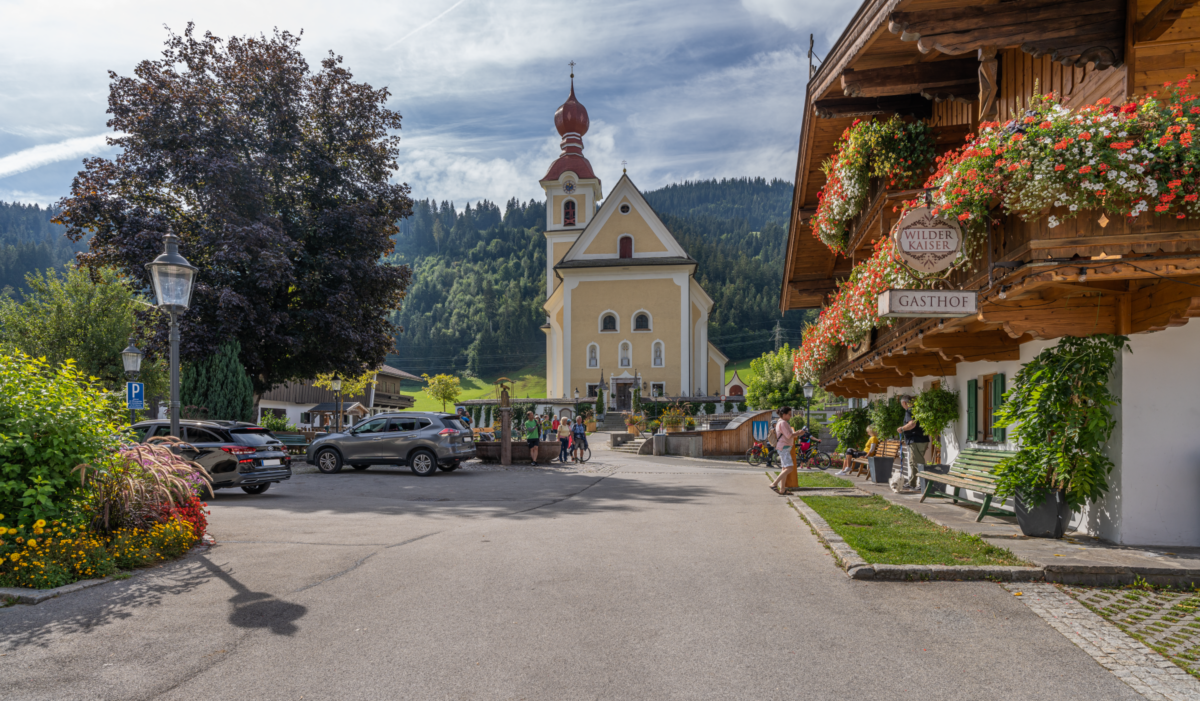
“Der Bergdoktor” is another classic on German-language television. The series has been airing on ZDF and ORF since 2008 and remains one of the most successful German-language television productions to this day. The 19th season will air in 2026.
The series centers on Dr. Martin Gruber (Hans Sigl), who works as a doctor in the Tyrolean mountain village of Ellmau. Amid medical emergencies, family conflicts, and romantic dramas, the series showcases one thing above all else: spectacular Alpine landscapes around the Wilder Kaiser.
Unlike with many international film hypes, fans here often don’t come for a single Instagram spot, but for the atmosphere: mountains, alpine pastures, lakes, and small villages. The Wilder Kaiser Tourism Association even offers its own “Bergdoktor” filming location tours as well as a series of Bergdoktor events.
The “Bergdoktor” film set in Going
The Stanglwirt Organic and Wellness Resort in Going is located in the heart of the well-known filming region. The Wilder Kaiser mountain range, which appears frequently in the series, became known to many viewers for the first time through “Bergdoktor.”
The Bergdoktor in East Tyrol
East Tyrol has also been featured in the Bergdoktor universe. Not far from the filming locations is the Naturresort Outside in Matrei, also in East Tyrol. This certified hiking hotel is located in the heart of the Hohe Tauern National Park.
#3 Küstenwache (Coast Guard) & Schwarzwaldklinik (Black Forest Clinic) – TV classics that have shaped our images of travel
Today, not every TV series needs to remain on the air to leave a lasting impact on entire regions. Some TV classics have become so ingrained in our collective memory that we immediately associate certain landscapes with them.
One example is “Die Küstenwache.” This ZDF series ran from 1997 to 2016 and depicted missions in the North and Baltic Seas. Harbors, dunes, sailboats, and long beaches served as the backdrop. It was filmed in Neustadt in Holstein, among other locations. SANDnature on Timmendorfer Strand is very close by.
Even more legendary, however, is the “Schwarzwaldklinik.” This 1980s series was one of the most successful German television productions of all time, putting the Black Forest on the international map. Millions of viewers followed the stories of Professor Brinkmann, set against a backdrop of forests, mountains, and Black Forest farms.
Even today, guests at the SCHWARZWALD PANORAMA regularly ask the staff about the series.
The Black Forest offers precisely this blend of natural idyll, spa-town romance, and dense forest scenery. At the same time, long before the advent of film and television, the region served as a source of inspiration for the fairy tales and legends of the Brothers Grimm, as we describe in more detail in our Destination Guide on sustainable travel in the Black Forest.
Is the Disney castle based on Neuschwanstein Castle?
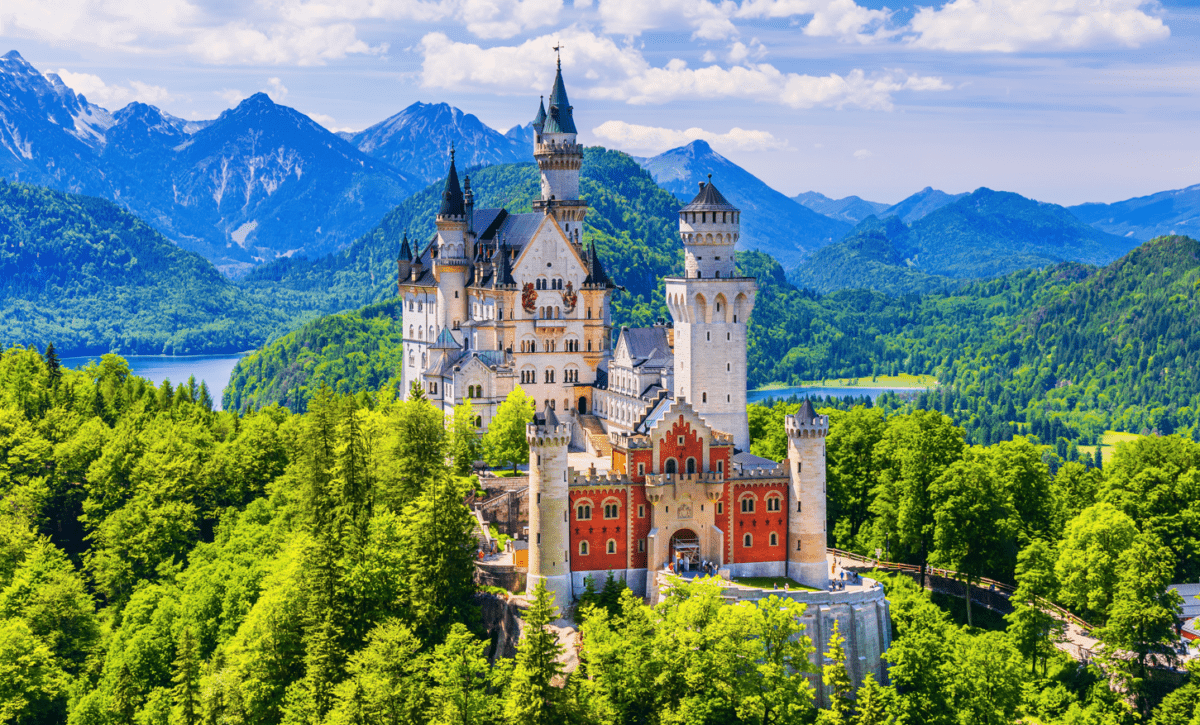
From the Black Forest, one of the most famous fairytale castles in the world is not really that far away—at least in your imagination: Neuschwanstein Castle. Built in the 19th century by King Ludwig II, the castle was inspired by opera, legend, and the Middle Ages, and it is considered the main inspiration for the famous Sleeping Beauty Castle in Disney theme parks and the Disney logo.
Neuschwanstein Castle has also served as a film set for numerous productions (including scenes from “Chitty Chitty Bang Bang” (1968), “The Great Escape” (1963), and several film adaptations about Ludwig II.
From Hotel Das Rübezahl, you can enjoy a wonderful view of the castle. Because it’s so romantic, the hotel attracts couples, especially those looking to propose. Among the special offerings are the hotel’s “good fairies,” who can prepare a picnic for you with a view of the castle, for example. You’re out for a walk, and suddenly, there’s a table set up just for you. It’s just like a fairy tale…
From Netflix to arthouse cinema in South Tyrol
The regions of South Tyrol and Tyrol often appear in movies and TV series. The mountain landscapes around Lake Reschen, for example, gained international recognition thanks to the Netflix series “Curon.” Nearby are the Summit Lodges Pfunds, cozy log cabin–style vacation homes with fireplaces and private saunas. They’re the perfect place for a TV night in after a day in the mountains. 🙂
The APIPURA hotel rinner on the Ritten is no stranger to film productions: the region has served as a filming location numerous times, and film crews have sometimes stayed at the hotel. Scenes were shot here for Caterina Carone’s film “Fräulein, Giorgio Pasotti’s “Abbi Fede,” and the documentary “Unterm Horn.”
The mountains surrounding the vegan hotel La Vimea in South Tyrol have also made film history. In 1985, Reinhold Messner’s legendary mountaineering film “Gasherbrum: The Dark Glow of the Mountains” was shot in this alpine setting. The film documents Messner and Hans Kammerlander’s extraordinary Himalayan expedition without supplemental oxygen or much equipment. The Messner Mountain Museum is also not far from the hotel and can easily be planned as a day trip.
Our conclusion: Set jetting doesn’t have to be problematic
Movies and TV shows have always inspired people to travel. The problem arises especially when certain places become overcrowded due to hype or when people travel solely to capture the perfect social media photo.
But set-jetting can also look different: When you travel by train, choose smaller accommodations, try regional cuisine, or discover places outside the major tourist hotspots, you create a more mindful travel experience.
Save this article on Pinterest.


 Loading...